What should you look for when choosing?
Start with what your guest needs to avoid. Then consider flavour, packaging and ease of serving.
| What to consider |
What should you check? |
Who is this important for? |
| Avoiding peanuts |
Ask which allergen needs to be avoided, then check the ingredients and any relevant warnings on the exact packaging. |
If a guest needs to avoid peanuts, peanut snacks are not suitable, even if they’re unsalted. Around 28% of consumers in this get-together scenario put allergen avoidance first. |
| Gluten-free options |
Check the gluten-free statement, as well as the ingredients and warnings for the specific flavour and pack. |
If your guest can eat peanuts but avoids gluten, the chosen variety must be explicitly suitable for them. Around 22% of consumers put gluten-free suitability first. |
| Lactose or milk protein |
Ask whether lactose or milk protein needs to be avoided, then check the relevant product information. |
If you’re unsure whether a guest avoids lactose or milk protein, ask before choosing a snack. Around 17% of consumers want to establish this distinction first. |
| Contact when serving |
Plan to use separate bowls and serving utensils, and keep the packaging to hand. |
At a mixed snack table, a suitable snack can still come into contact with other food after purchase. Around 22% of consumers see serving food separately as their main priority. |
| Pack size and storage |
Compare the exact packs and follow the storage advice on the packaging. |
Once the dietary choice is clear, the pack size and how to store leftovers may be the deciding factors. Around 11% of consumers put these practical considerations first. |
Products on Joybuy
These product choices include plain unsalted peanuts, peanuts in their shells and snacks without peanuts. Check the ingredients and warnings on the exact packaging for every guest.
 No image available
g’woon Unsalted Peanuts 250 g
An option for guests who can eat peanuts and are looking for unsalted peanuts.
The product description lists 99% peanuts and sunflower oil. May contain cashew nuts.
Joybuy
 No image available
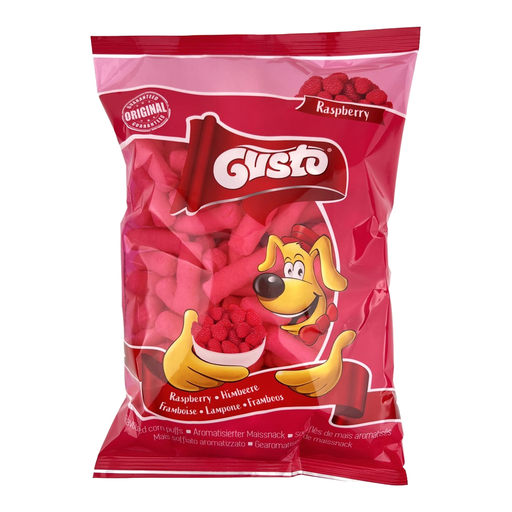
Gusto Raspberry Corn Puffs – Fruity Sweet 80 g
A corn snack to consider for a guest who avoids peanuts, but only if the ingredients and warnings are suitable for their needs.
The product description lists maize grits and raspberry powder.
Joybuy
 No image available
g’woon Peanuts in Shell 500 g
This variety is only suitable for guests who can eat peanuts and are looking for peanuts in their shells.
The product information lists peanuts in their shells and warns of possible traces of nuts.
Joybuy
 No image available
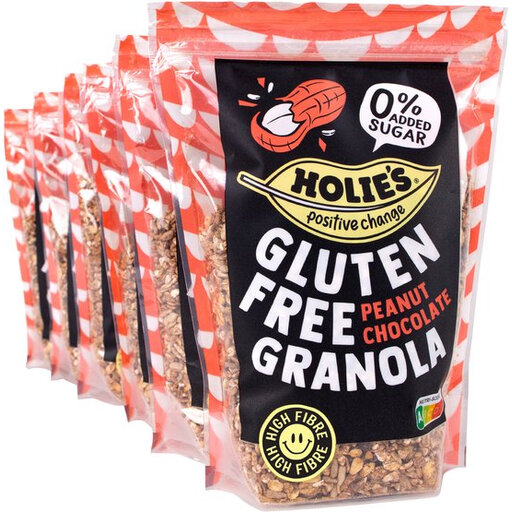
Holie’s Granola Glutenfree Peanut Chocolate 6 × 330 g
The product title says gluten-free, but this granola contains peanuts, so it isn’t suitable for anyone who needs to avoid peanuts.
The product information lists oats and warns of possible traces of almonds, cashews, hazelnuts, pecans and soya. Check the packaging for the guest you’re serving.
Joybuy
 No image available
Verse Extra Large Roasted Peanuts 210 g
An option for guests who can eat peanuts and are looking for a roasted, unsalted variety.
The product description lists 100% peanuts as the ingredient.
Joybuy
Frequently asked questions
Can someone with a nut allergy automatically eat peanuts?
No, don’t assume that. Botanically speaking, peanuts are not nuts, but the peanut products reviewed may also contain nuts. Base your choice on the diagnosed allergy, the individual’s advice on what to avoid and the warnings on the exact packaging.
Does lactose-free mean suitable for someone with a cow’s milk allergy?
No. Lactose is milk sugar; a cow’s milk allergy involves a reaction to milk proteins. Ask which substance your guest needs to avoid and check the relevant product information.
How can you serve different dietary options at a snack table?
Keep the packaging, agree in advance who each snack is for, and use separate bowls and serving utensils. This reduces contact with other food, but the way you serve it cannot guarantee that a product or buffet is safe for everyone.
What should you do with AH Pinda’s extra groot gezouten in a tub?
Albert Heijn’s recall notice dated 20 May 2026 concerns the tub with a best-before date of 04-11-2026: do not eat this product because it may contain metal fragments, and return it to an AH shop for a refund as instructed in the notice. The warning applies to that specific date and product, not to all AH peanuts.
What does a gluten-free statement on a snack mean?
The statement relates to gluten; it does not mean that a snack is free from peanuts or other allergens. The European Commission refers to Commission Implementing Regulation (EU) 828/2014 for the requirements. It has applied since 20 July 2016, when Regulation (EC) 41/2009 was repealed. Also check the ingredients and warnings for the specific dietary need.


