
Calorie-conscious lunch packers
You want to tailor the amount of peanuts to your lunch. Weigh your portion and compare the declared energy per 100 g; the Netherlands Nutrition Centre lists 157 kcal for a 25 g handful of unsalted peanuts.


For a calorie-conscious packed lunch, start with the weight in grams: compare the energy per 100 g and calculate the amount for the portion you’re taking with you. Unsalted doesn’t mean low in energy; the AH, Jumbo, PLUS and Duyvis supermarket varieties reviewed here, for which nutritional information is available, all exceed the European threshold of 40 kcal (170 kJ) per 100 g for a ‘low energy’ claim (European Commission). Choose unsalted if you want to avoid added salt, and check both the nutritional information and salt content of seasoned varieties.
You want to tailor the amount of peanuts to your lunch. Weigh your portion and compare the declared energy per 100 g; the Netherlands Nutrition Centre lists 157 kcal for a 25 g handful of unsalted peanuts.
You’re after a savoury snack without added salt. Check the ingredients and salt content of the exact variety; Albert Heijn, Jumbo and PLUS list different values for the unsalted peanuts reviewed here.
You portion out a pack at home to last several working days. Weighing out a portion and following the storage advice for the specific variety can help you prepare your snacks and store the rest.
For a calorie-conscious packed lunch, your choice mainly comes down to portion size, your preference for salt and how you’ll take the peanuts with you.
| What to consider | What should you check? | Who is this most relevant to? |
|---|---|---|
| Calories per portion | Check the kcal per 100 g, weigh your portion and calculate: kcal per 100 g × portion weight ÷ 100. | If I want to know how much energy is in my lunch portion, I weigh the peanuts rather than relying on the brand name. Around 50% of consumers prioritise the calories in their portion. |
| Salt and flavour | Check the salt per 100 g and see whether salt is listed in the ingredients. | If I want a savoury snack but want to avoid added salt, I check both the ingredients and the nutritional information. Around 30% of consumers give top priority to avoiding added salt. |
| Preparing and storing | Check the pack weight and storage advice for the exact variety. | If I’m preparing peanuts for several working days, I consider how many portions I can divide the pack into and how to seal the rest. Around 20% of consumers prioritise taking snacks with them and storing them. |
The unsalted varieties from Albert Heijn, Jumbo and PLUS reviewed here declare 602–625 kcal per 100 g. ‘Unsalted’ tells you about the salt, not the amount of energy.
Use the salt information to choose based on salt, and the weight in grams to work out your portion.
Albert Heijn gives a 25 g portion for the variety reviewed here, while Jumbo gives 30 g. Any difference in kcal per supermarket portion may therefore be down to the amount.
Compare the varieties per 100 g first, then calculate the values for the same portion weight.
Duyvis describes the preparation of Oven Baked Original as being without added oil or fat. The 225 g Dutch supermarket variety lists 606 kcal and 1.4 g salt per 100 g.
Check the nutritional information for the exact variety; a description of how it’s made is no substitute for comparing energy and salt.
On 20 May 2026, Albert Heijn issued a warning for AH Extra Large Salted Peanuts in a tub with a best-before date of 04-11-2026. This warning does not automatically apply to other peanuts from the brand.
Check the exact product name, packaging and best-before date. Do not eat the product named in the warning.
The Oven Roasted Original variety described here is worth considering if you’re looking for a roasted, savoury snack.
AH Unsalted Peanuts 300 g are an option if you want to weigh out your own portions and avoid added salt.
Jumbo Unsalted Peanuts 250 g are worth considering if you’re looking for a measured snack without added salt.
Lidl Netherlands describes a 200 g roasted, unsalted variety for cooking or snacking.
ALDI describes Trader Joe’s Unsalted Peanuts, 250 g, as well as a separate 250 g roasted, unsalted variety.
PLUS Unsalted Peanuts 250 g are worth considering if you want to divide them into portions for the office.
This selection of Joybuy products includes peanuts to portion out yourself and a few roasted or seasoned snack varieties. Check the exact nutritional information and salt details on each pack.
 Image unavailable
A pack you can divide into portions at home if you want to avoid added salt. The description lists 99% peanuts and sunflower oil; seal the pack well after opening.
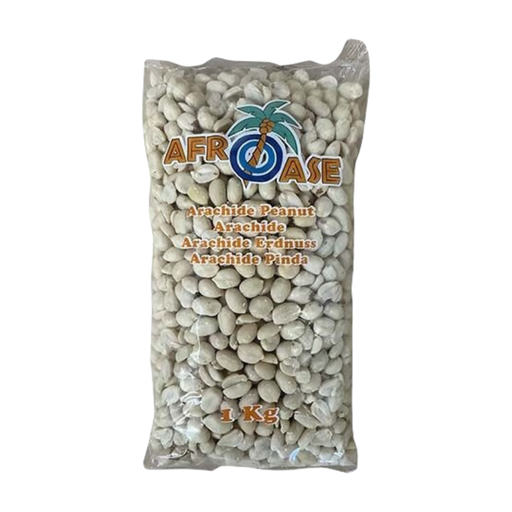 Image unavailable
The 1 kg pack could be a good option if you want to portion out a larger quantity at home.
 Image unavailable
The pack contains 500 g of peanuts in their shells; remember that you’ll need to shell them before eating. The product information says no salt is added.
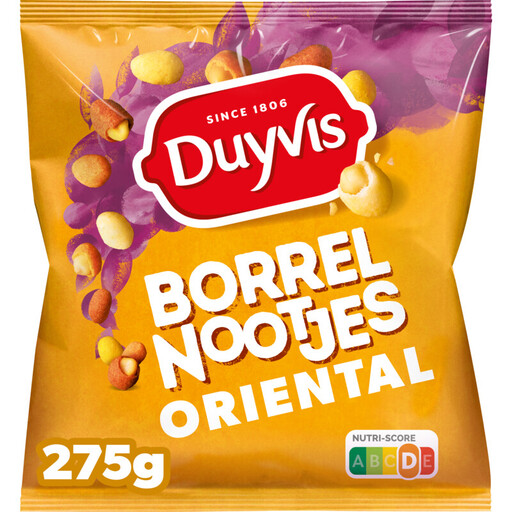 Image unavailable
The description mentions a mild curry flavour and salt. This variety is suitable only if a seasoned flavour matters more to you than avoiding salt; check the nutritional information on the pack.
 Image unavailable
The description lists roasted peanuts, 100% peanuts and no added salt. It also lists 626 kcal per 100 g, so this variety does not meet the threshold for a ‘low energy’ claim.
No. For a ‘low energy’ claim and claims with the same meaning, solid foods must contain no more than 40 kcal (170 kJ) per 100 g, according to the European Commission. Eating fewer grams reduces the energy in your portion, but it doesn’t change the amount of energy per 100 g in the product.
Multiply the declared kcal per 100 g by the weight of your portion and divide by 100. For 25 g of the Jumbo variety reviewed here, that’s 602 × 25 ÷ 100 = 150.5 kcal. Values on labels are averages, not exact measurements for every portion.
Check the allergen information for the exact prepacked variety. The NVWA says allergen information must appear on the label; PLUS, for example, warns that the variety reviewed here may contain cashew nuts. Peanuts themselves are not a peanut-free snack.
Follow the storage advice for the variety you’ve bought. For the unsalted peanuts reviewed here, Albert Heijn recommends storing them in a cool, dark, dry place and sealing the pack well. For Duyvis Original, the retailer recommends transferring them to a light- and airtight container after opening. The Netherlands Nutrition Centre recommends storing salted peanuts in a tightly sealed container in a cool, dark, dry place.
Albert Heijn’s warning of 20 May 2026 concerns AH Extra Large Salted Peanuts in a tub with a best-before date of 04-11-2026; do not eat this product. Albert Heijn says you can return it for a refund. The warning does not apply to the 300 g AH Unsalted Peanuts described here.