
Families who regularly share
If several people in your household eat peanuts at holiday lunches, choose a pack size to suit how much you use at home. Compare the net weight and think about how you’ll store an opened pack.


A 500 g bag is a good fit if several people in your household who can safely eat peanuts enjoy them regularly, and you can store the opened pack properly. If you only eat them occasionally, 250 g may be closer to the amount you’ll actually use. First, check who you’re buying for and whether the variety and form are suitable for them.
If several people in your household eat peanuts at holiday lunches, choose a pack size to suit how much you use at home. Compare the net weight and think about how you’ll store an opened pack.
If you want unsalted peanuts, check the variety and packaging before serving them. Bear in mind who’ll be eating them: the Voedingscentrum advises against giving whole peanuts or nuts to children under 4. Peanuts are not suitable for anyone with a peanut allergy.
If you only use peanuts now and then, a smaller pack may be closer to the amount you’ll actually get through. Also check how to seal and store the opened bag.
Start with who’ll be eating them and their needs. Then choose the variety and amount, and work out how you’ll store the peanuts based on how you plan to use them.
| What to consider | What to look for | Who should pay particular attention? |
|---|---|---|
| How much you’ll use | Choose a net weight to suit the number of people eating and how often you serve peanuts. | If I want to avoid opening more than we’ll use, I choose a pack size that suits our household. Around 29% of consumers choosing peanuts for holiday lunches put the amount they’ll use first. |
| Suitability for those eating them | Check the form and allergen information; don’t give whole peanuts to children under 4. | If I’m buying for children or someone with a peanut allergy, I first check whether peanuts are suitable for those who’ll be eating them. Around 29% of consumers put suitability first. |
| Unsalted or salted | Check the variety name and ingredients on the packaging; a larger pack doesn’t tell you which variety it is. | If I want unsalted peanuts, I check the variety rather than choosing by brand or pack size alone. Around 24% of consumers prioritise this. |
| Occasional use and storage | Choose a pack size to suit occasional use and follow the storage instructions on the packaging. | If we only eat peanuts now and then during the holidays, I want to be able to seal and store the opened pack properly. Around 18% of consumers prioritise pack size and storage. |
Whole peanuts can pose a choking risk. The Voedingscentrum advises against giving whole peanuts or nuts to children under 4.
First, decide who you’re buying the peanuts for. Follow the advice on the appropriate form, and supervise older children when they eat whole nuts.
The ALDI 500 g listing we checked is for roasted, salted peanuts. Pack size doesn’t tell you which variety you’re buying.
Read the product name and ingredients on the packaging, even if you’ve bought the same brand or pack size before.
A larger bag means buying more and storing it properly once opened. If your household only uses peanuts occasionally, the contents may be more than you’ll get through.
Choose based on how you plan to use the peanuts and whether you can seal the opened bag properly.
According to Stichting Voedselallergie, the peanut allergen remains stable when heated. Roasted peanuts are therefore not a safe substitute for someone with a peanut allergy.
Don’t treat roasted peanuts or peanut butter as suitable alternatives for someone with a peanut allergy.
Duyvis describes one variety as unsalted; Jumbo lists it in a 235 g pack.
Albert Heijn has a Dutch product listing for AH Unsalted Peanuts.
Jumbo lists unsalted peanuts in 250 g and 500 g packs.
Lidl has a Dutch product page for unsalted peanuts.
ALDI lists roasted, salted Trader Joe’s peanuts in a 500 g pack.
PLUS lists unsalted peanuts in a 500 g bag.
The products below range from 250 g packs of unsalted peanuts to 500 g packs of salted, seasoned and unroasted varieties. Check the form, variety and ingredients for each product to see whether they suit the people eating them and how you plan to use them.
 No image available
The 250 g pack and unsalted variety make this a good option if you’re looking for a smaller pack.
250 g; described as unsalted in the product title.
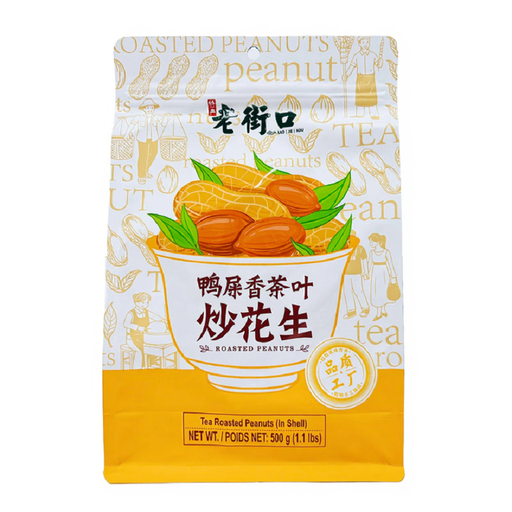 No image available
This could suit you if you’re looking for roasted, salted peanuts with a tea flavour to share.
500 g; roasted, salted and in the shell. The product description mentions an Oolong tea aroma.
 No image available
The 500 g pack may suit sharing, but bear in mind that the peanuts are in their shells.
500 g; the product description recommends sealing the pack well after opening. The salt content isn’t specified.
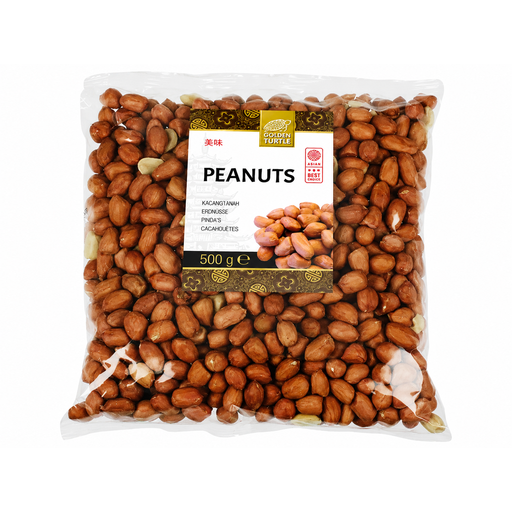 No image available
This unroasted variety could suit you if you want to prepare the peanuts yourself or use them in recipes.
500 g; unroasted and with skin. The product description recommends roasting them if you want to eat them as a snack.
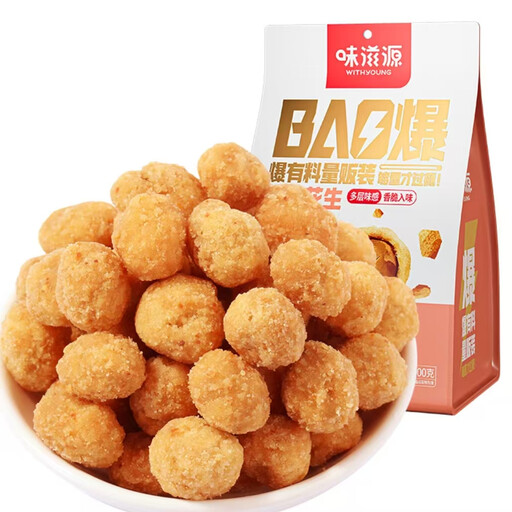 No image available
This seasoned snack could suit you if you’re looking for a spicy option to share.
500 g; the product description lists 33% peanuts, salt, chilli powder and wheat.
The Voedingscentrum advises against giving whole peanuts or nuts to children under 4. Older children can choke on them too, so make sure they eat calmly at the table and stay with them. If you’re unsure about the right form, the Voedingscentrum suggests ground nuts or nut butter. This is dietary and safety advice, not a legal age limit.
No. According to Stichting Voedselallergie, the peanut allergen remains stable when heated. So don’t use roasted peanuts or peanut butter as a safe substitute for someone with a peanut allergy.
For salted peanuts, the Voedingscentrum recommends a cool, dark, dry place and a container that seals well. Also follow the storage instructions and best-before date on your pack; this advice doesn’t provide a universal shelf life after opening.
Choose a pack size to suit the number of people eating and how often you use peanuts. A 500 g bag may suit regular sharing, while 250 g may be a better fit if you only use them occasionally. Also think about how you’ll seal and store an opened bag.
Read the ingredients and allergen information on the packaging of the variety you’re actually buying. The Netherlands Food and Consumer Product Safety Authority says allergens must be clearly and correctly declared on the label.