
Calorie-conscious desk snackers
You want to enjoy peanuts during your working day and know in advance how much energy your portion provides. Compare the value per 100 g on the label, then weigh out your portion.


If you’re keeping an eye on your calorie intake, decide on your portion first, then compare the energy per 100 g. The Netherlands Nutrition Centre lists 157 kcal for a 25 g handful of unsalted peanuts; unsalted or made without added oil does not automatically mean low in calories. When stocking up for the office, you’ll also need to consider the quantity you want and the allergen information available.
You want to enjoy peanuts during your working day and know in advance how much energy your portion provides. Compare the value per 100 g on the label, then weigh out your portion.
You’re looking for a peanut snack with no added salt. Choosing unsalted peanuts and checking their energy content are two separate considerations.
You’re buying for several people and want to consider pack size and allergen information. Different information requirements may apply in a company canteen or when using a caterer, compared with informal sharing.
First compare the energy per 100 g, then decide how many grams you want to serve. Check salt, packaging and allergens as separate features too.
| What to consider | What to look for | Who should consider this? |
|---|---|---|
| Energy per portion | Compare kcal per 100 g and weigh your portion in grams. | If I want to know how much energy my own snack portion provides, I’d rather weigh it than guess at a handful. Consumers who put calorie intake first when making this office snack choice account for around 36%. |
| Salt and preparation | Check salt and energy separately; see whether oil or fat has been added. | If I’m mainly looking for an unsalted snack, I want to be able to check the ingredients without treating that as a calorie benefit. Around 29% of consumers prioritise an unsalted option. |
| Bulk packaging | Choose a pack size to suit the number of people and planned snack breaks. | For regular office snack breaks, I want to choose a quantity that matches how much will be eaten. Consumers who prioritise convenient bulk supplies account for around 21% of this choice. |
| Allergens and product information | Read the allergen information and keep details from the original packaging. | If I’m sharing peanuts with colleagues, I want to keep the allergen information available, even if I transfer them to another container. Around 14% of consumers prioritise serving snacks together with clear product information. |
These words tell you something about the salt or how the peanuts are prepared, but they don’t replace the energy value per 100 g.
Check the energy and salt values separately, then work out the energy in your weighed portion.
A lower number of kcal per portion could simply be because the portion listed is smaller.
First compare the value per 100 g, then use the same weight for each portion.
Office-size packs can contain hundreds of grams, while the Netherlands Nutrition Centre lists 157 kcal for a 25 g handful of unsalted peanuts.
Prepare a separate portion in advance instead of eating straight from the bulk pack.
Without the original product information, it can be harder to check allergens or match a specific warning to the right pack.
Keep the packaging or make sure the product, allergen and batch information remains available.
Duyvis offers unsalted peanuts as well as Oven Baked Peanuts Original.
AH Ongezouten pinda’s is an own-label option if you’re looking for unsalted peanuts.
Jumbo lists unsalted peanuts in 250 g and 350 g packs.
The Lidl product page lists unsalted peanuts in a 285 g pack.
The Dutch ALDI page lists Trader Joe’s roasted, unsalted peanuts in a 250 g pack.
PLUS offers unsalted peanuts in, among other options, a 300 g stand-up pouch and a 275 g tub.
This selection includes unsalted, salted and flavoured varieties, as well as peanuts in their shells. Compare energy per 100 g, salt and ingredients using the information on the exact pack.
 Image unavailable
An unsalted option if you’re looking for peanuts to portion out for the office.
The description lists 99% peanuts and sunflower oil. May contain cashews.
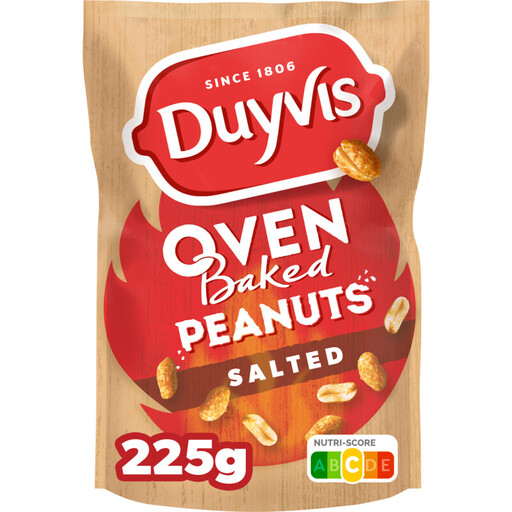 Image unavailable
A roasted option if you’re looking for a salted peanut snack.
The product information lists 606 kcal and 1.4 g of salt per 100 g. Contains salt and savoury flavourings.
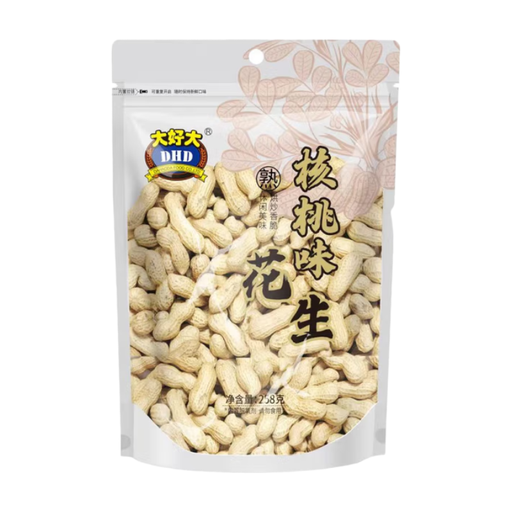 Image unavailable
A flavoured option to compare with plain peanuts if taste and ingredients matter to you.
The ingredients list peanuts, sugar, salt and walnut flavouring. The nutritional information lists 2420 kJ per 100 g and soy as an allergen.
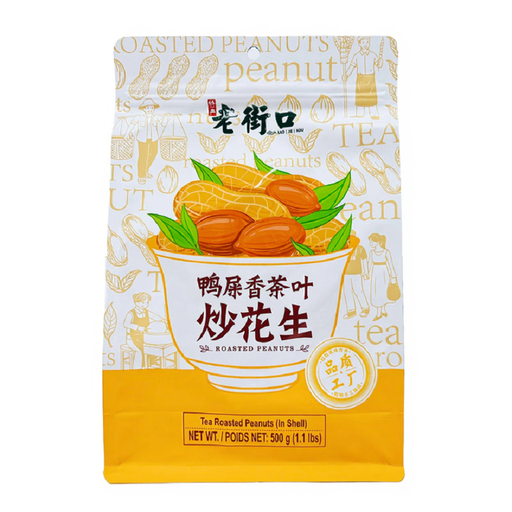 Image unavailable
A larger pack if you’re looking for flavoured peanuts to share or enjoy over several snack breaks.
The product information lists 544 kcal per 100 g. The peanuts are salted and contain tea, flavouring and sweetener.
 Image unavailable
An option if you’re specifically looking for peanuts in their shells for an office snack break.
The product name specifies peanuts in their shells and a 500 g pack.
Multiply the kcal per 100 g on the label by the weight of your portion in grams, then divide by 100. For Duyvis Ongezouten Pinda Noten, which Flink Nederland lists at 614 kcal per 100 g, a 20 g portion provides 122.8 kcal according to this calculation; this is calculated using the declared value.
Don’t use “low in calories” as a product claim unless you meet the applicable requirements. The European Commission states that nutrition claims are only permitted if they are included in the annex to Regulation (EC) No 1924/2006 and meet the associated conditions. The NVWA provides further information on the requirements for nutrition and health claims.
Keep the original packaging or make sure the label information is available so colleagues can check the allergens. Peanuts are an allergen that must be declared on prepacked products. For unpackaged snacks in a company canteen or supplied by a caterer, allergen information must be available where the product is offered, in line with the applicable NVWA rules.
Follow the use-by or best-before information and the storage or usage instructions on the exact pack. Don’t use general storage guidance as a substitute for the information on the product you’ve bought.
Compare the product name and best-before date with the specific warning, and follow the supplier’s instructions. On 20 May 2026, Albert Heijn issued a warning about AH Pinda’s extra groot gezouten in a tub with a best-before date of 4 November 2026, due to possible metal fragments. That warning does not automatically apply to other AH peanuts.