
Parents looking for a quick snack
You want something simple for yourself and would like to know how much protein a typical portion contains. The Netherlands Nutrition Centre lists 6.3 grams of protein for a 25-gram handful of unsalted peanuts.


For yourself, unsalted peanuts can be a good option if you’re looking for a simple, protein-rich snack. Compare the nutritional information for the same portion size, and check the energy content too. Based on the label information for Duyvis, Albert Heijn, Jumbo and PLUS, a 25-gram portion provides around 6.25–6.75 grams of protein and 150.5–156.25 kcal. For sport, your overall diet matters; peanuts don’t offer any special recovery benefits. Whole peanuts are also not suitable as baby food.
You want something simple for yourself and would like to know how much protein a typical portion contains. The Netherlands Nutrition Centre lists 6.3 grams of protein for a 25-gram handful of unsalted peanuts.
You do strength or endurance training and want to include peanuts in your overall diet without attributing special recovery benefits to a single snack. The Netherlands Nutrition Centre discusses protein requirements in relation to sport and a varied diet.
You want to keep your own snack separate from your baby’s food, or you’re taking a food allergy in the family into account. The Netherlands Nutrition Centre recommends smooth peanut butter when introducing peanuts to a baby; always check the packaging of the specific product for allergen information.
First, compare the same portion size and look at protein alongside energy. Then choose based on the ingredients, family safety and packaging that suits how you’ll use the product.
| What to consider | What to look for | Who is this important for? |
|---|---|---|
| Protein per portion | Convert label values to the same weight and compare the energy content too. | If I’m having a small snack, I want to know what that portion actually provides. Around 31% of consumers say protein and portion size are their top purchasing priorities. |
| Salt and ingredients | Check the ingredients and salt per 100 grams; don’t assume the values for plain peanuts apply to a seasoned or coated variety. | If taste or a recipe with no added salt determines my choice, I want to be able to tell the varieties apart. Around 23% of consumers give ingredients and taste their highest priority. |
| Family safety | Read the allergen information and keep baby food separate from whole peanuts intended for adults. | If there’s a baby or someone with a food allergy at home, I want to avoid confusion and contact with relevant allergens. Around 23% of consumers put family safety first. |
| Packaging and storage | Check the pack size and follow the storage instructions on the packaging. | If I want to take the snack home with my shopping and store it there, the packaging needs to suit the way I use it. Around 23% of consumers consider convenience and packaging most important. |
Whole peanuts can pose a choking risk for babies. The Netherlands Nutrition Centre recommends smooth peanut butter with no pieces, added salt or sugar when introducing peanuts.
Keep your own snack separate from your baby’s food. Follow official guidance and speak to your healthcare professional if your baby has severe eczema or a food allergy.
A value per 100 grams doesn’t tell you how much protein you’ll get in a smaller portion. A larger portion also provides more energy.
Choose one weight for comparison and convert the label values. The Netherlands Nutrition Centre uses 25 grams as a handful of unsalted peanuts.
Lidl describes Alesto Cruspies as peanuts in a seasoned dough coating. That’s a different recipe from plain peanuts.
Check the nutritional information and allergen details for the coated snack itself. Choose it for its taste if that’s what matters most to you, but don’t assume it offers an unproven protein benefit.
The Albert Heijn warning applies to AH Extra Large Salted Peanuts in a tub with a best-before date of 04-11-2026; the warning mentions possible metal fragments.
Do not eat the product with that date. Check the product name, packaging and best-before date together; the warning does not apply to all AH peanuts.
Duyvis offers unsalted and salted peanuts, as well as separate flavoured varieties.
This comparison includes 300-gram AH Unsalted Peanuts.
The variety compared is 250-gram Jumbo Unsalted Peanuts.
Lidl describes an unsalted peanut product and the Alesto range, which includes peanuts in a dough coating.
The variety described is 250-gram Trader Joe’s roasted unsalted peanuts.
The variety compared is 250-gram PLUS Unsalted Peanuts.
These Joybuy products range from unsalted and salted peanuts to seasoned varieties. When comparing protein, energy and salt, always use the same basis, such as per 100 grams.
 No image available
An unsalted option to compare if you’re looking for a simple peanut snack for yourself.
Per 100 grams: 27 grams of protein, 99% peanuts, sunflower oil and 0.02 grams of salt. The description mentions possible traces of cashew nuts.
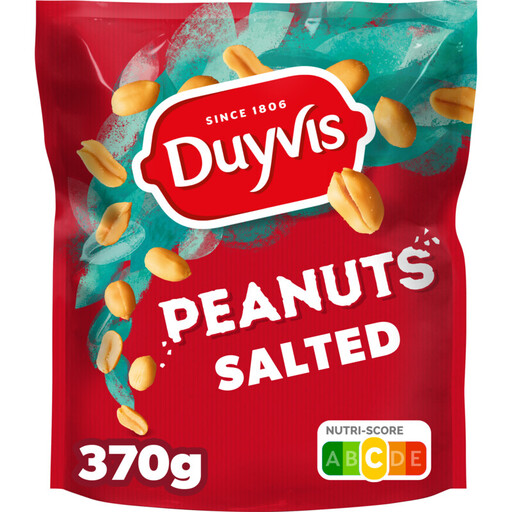 No image available
A salted variety for anyone who enjoys a savoury flavour and wants to take salt into account when comparing products.
Per 100 grams: 26 grams of protein, 613 kcal and 0.73 grams of salt. The ingredients are peanuts, sunflower oil and salt.
 No image available
A roasted, unsalted variety to compare with other snack recipes.
Per 100 grams: 26 grams of protein, 626 kcal, 100% peanuts and 0.02 grams of salt. The description also suggests using them in cooking and baking.
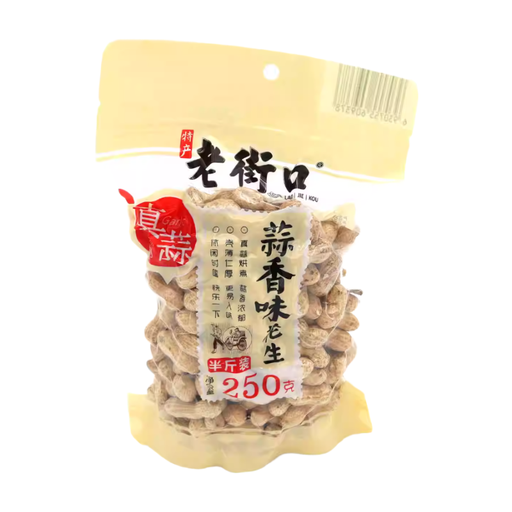 No image available
A seasoned variety for anyone who likes garlic and an extra savoury flavour; its recipe differs from plain peanuts.
Per 100 grams: 24.4 grams of protein, 540.2 kcal, 95.62% peanuts and 2.55 grams of salt. The ingredients description mentions garlic.
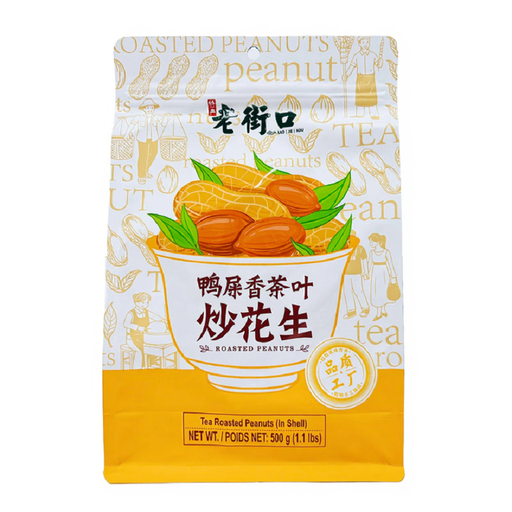 No image available
A tea-flavoured option for anyone looking for something different from unseasoned peanuts. The peanuts are in their shells.
Per 100 grams: 25.2 grams of protein, 544 kcal and 1.37 grams of salt. The description lists peanuts, salt, tea and flavourings.
No, don’t use whole peanuts to introduce peanuts to your baby. The Netherlands Nutrition Centre recommends smooth peanut butter with no pieces, added salt or sugar. If your baby has severe eczema or a food allergy, speak to their doctor or dietitian.
Peanuts can be part of your diet, but the product information doesn’t prove any special recovery benefits. The Netherlands Nutrition Centre discusses protein in relation to strength or endurance training and a varied diet, so don’t judge a snack in isolation from your overall eating habits.
According to the Netherlands Nutrition Centre, you don’t need to follow a special diet while breastfeeding unless a doctor advises you to. This general advice doesn’t replace individual guidance for a diagnosed allergy.
Read the allergen information on the packaging of the specific variety, including any statement about possible traces of other nuts. The Netherlands Food and Consumer Product Safety Authority requires allergens to be clearly distinguishable in the ingredients list. An unsalted recipe is no substitute for checking allergen information.
Do not eat AH Extra Large Salted Peanuts in a tub with a best-before date of 04-11-2026. The Albert Heijn warning mentions possible metal fragments. Check the product name, packaging and date together; the warning doesn’t automatically apply to all AH peanuts.