What to look for when buying
First check whether peanuts are suitable for you based on the allergens you need to avoid. Then look at the specific dietary claim and choose packaging that works for your lunch routine.
| What to consider |
What to look for |
Who is this important for? |
| Allergens |
Check the ingredients and the separate allergen warning for the allergen you need to avoid. |
If I need to avoid an allergen, I want to know whether peanuts or another relevant allergen is listed on the packaging. Around 36% of consumers put allergen avoidance first. |
| Free-from claims |
Look for the claim on the exact variant and packaging; don’t assume it applies to other products from the same brand. |
If I can eat peanuts but want to avoid gluten or lactose, I look for information that specifically relates to that restriction. Around 29% of consumers give a specific gluten or lactose restriction top priority. |
| Unsalted options |
Check that the variant is unsalted and look at the serving size shown on the packaging. |
If I’m mainly looking for an unsalted snack for everyday workdays, I want to distinguish that need from allergen or free-from requirements. Around 21% of consumers put this everyday dietary choice first. |
| Taking them with you and storage |
Compare the pack size with the amount you want to take with you, and follow the storage instructions. |
If I take peanuts to work, I want to be able to portion them easily and store the rest properly. Around 14% of consumers prioritise portability, portioning and storage. |
Peanuts at Joybuy
These Joybuy products are peanut options for a lunchbox snack. They contain peanuts; also check the allergen information on the packaging for each exact variant.
 No image available
g’woon Unsalted Peanuts, 250 g
An option if you’re looking for unsalted peanuts for your lunchbox.
The product information lists 99% peanuts and sunflower oil; the product may contain traces of cashew nuts.
View at Joybuy
 No image available
Verse Extra Large Roasted Peanuts, 210 g
An option if you want to take roasted, unsalted peanuts with you.
The product information lists 100% peanuts and advises keeping the pack tightly closed in a cool, dry place after opening.
View at Joybuy
 No image available
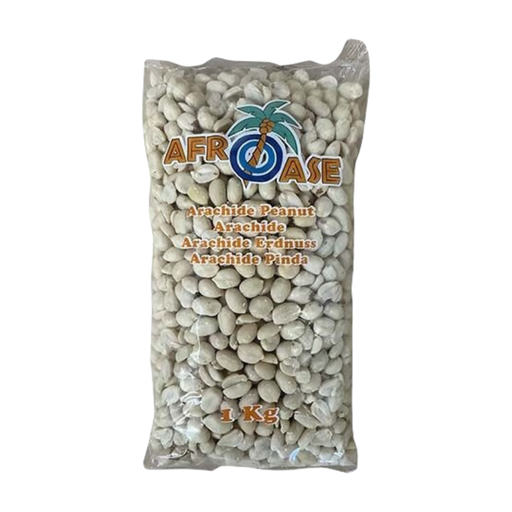
White Peanuts, 1 kg
An option if you’re looking for peanuts in a 1 kg pack.
The product title lists peanuts and a pack size of 1 kg. Check the allergen information on the exact packaging.
View at Joybuy
 No image available
G’woon Peanuts in Shell, 500 g
An option if you want to take peanuts in their shells in your lunchbox.
The pack contains 500 g; you’ll need to shell the peanuts before eating them.
View at Joybuy
Frequently asked questions
Are unsalted peanuts suitable for someone with a peanut allergy?
No. Unsalted peanuts still contain peanut proteins; salt doesn’t change that. Stichting Voedselallergie describes peanut allergy as an allergy to proteins in peanuts.
Does lactose-free also mean peanuts are suitable for someone with a cow’s milk allergy?
No. A lactose-free claim doesn’t prove that a product is suitable for someone with a cow’s milk allergy. Lactose is milk sugar, while cow’s milk allergy involves milk proteins, so check the relevant ingredients and allergen information.
What does ‘may contain nuts’ mean on the packaging?
It’s a warning about possible cross-contamination and isn’t the same as nuts being deliberately added as an ingredient. According to the Dutch Food and Consumer Product Safety Authority, a manufacturer uses a precautionary warning when its risk assessment indicates that it’s needed. Check whether the warning relates to the allergen you need to avoid.
How should I store peanuts for my lunchbox?
Follow the instructions on the packaging of the variant you have. For AH Unsalted Peanuts 300 g, the advice is to store them in a cool, dark and dry place and seal the pack securely after use; the Netherlands Nutrition Centre also advises storing nuts in a dry place in a tightly sealed container.
Does every pack have to use the new warning from 1 January 2026?
Not necessarily: according to the Dutch Food and Consumer Product Safety Authority, the production date matters, and products packaged earlier may still be sold as long as the food is safe. The NVWA has been checking the new labelling rules since 1 January 2026, so older wording doesn’t in itself prove that a pack is non-compliant.


