What should you look for when choosing?
First, check which allergen you need to avoid. A gluten-free or lactose-free claim doesn’t mean a peanut product is free from peanuts or other allergens.
| What to consider |
What should you check? |
Who is this for? |
| Avoiding the right allergen |
Check the ingredients and any statement about possible presence on the exact pack. |
If I have a peanut or other nut allergy, my first priority is ruling out products that contain my allergen. This is the main concern for around 36% of consumers. |
| Gluten-free claim |
Look for the claim on the exact product variant; don’t assume it applies to a different flavour or version. |
If I can eat peanuts but want to avoid gluten, I look for an explicit claim on the packaging. Avoiding gluten is the primary reason for buying for around 29% of consumers. |
| Lactose-free and milk allergy |
Distinguish between avoiding lactose and avoiding milk proteins; a lactose-free claim alone doesn’t confirm that a product is suitable for someone with a milk allergy. |
I want to avoid lactose, but I don’t want to confuse a lactose-free claim with being free from milk proteins. Avoiding lactose is the main priority for around 21% of consumers. |
| Portion size and salt |
Compare the stated serving size with the pack contents, and follow the storage instructions after opening. |
For a late-night snack, I mainly want the option to choose unsalted peanuts and a suitable portion. This is the primary need for around 14% of consumers. |
Peanuts at Joybuy
These Joybuy product picks are for snacking on peanuts, including unsalted varieties and peanuts in their shells. They are not an alternative for anyone with a peanut allergy; check the product information for other allergens.
 No image available
g'woon unsalted peanuts 250 g
An unsalted option for anyone who can eat peanuts and is looking for a plain peanut snack.
The product description lists 99% peanuts and sunflower oil. The product may contain cashew nuts.
View at Joybuy
 No image available
g'woon peanuts in shells 500 g
An option to consider if you’re looking for peanuts in their shells to snack on.
The product information lists peanuts and warns of possible traces of nuts.
View at Joybuy
 No image available
Verse Extra Large roasted peanuts 210 g
A roasted, unsalted option for anyone who can eat peanuts and is looking for this variety.
The product description lists peanuts as an ingredient.
View at Joybuy
 No image available
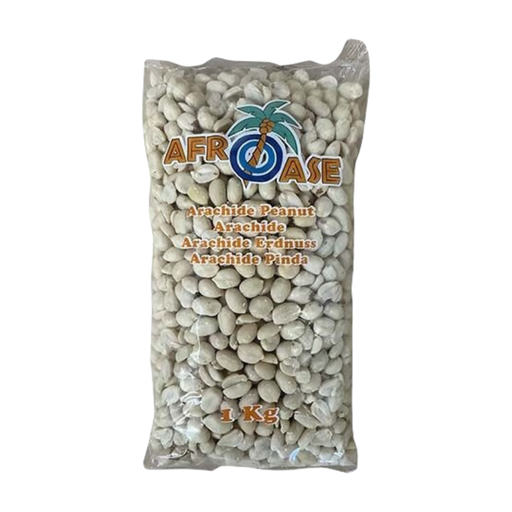
White Peanuts 1 kg
A 1 kg pack of peanuts for anyone who can eat peanuts and is looking for this pack size.
The product title lists peanuts and a pack size of 1 kg. Check the ingredients and allergen information on the current packaging.
View at Joybuy
Frequently asked questions
Are peanuts allergen-free if they’re labelled gluten-free?
No. Gluten-free refers to gluten, not peanuts. The AH peanuts reviewed, which are labelled gluten-free, contain peanuts and may contain various tree nuts.
Can I rely on a lactose-free claim if I have a milk allergy?
Not on its own. Lactose intolerance relates to milk sugar; a milk allergy relates to milk proteins. If you have a milk allergy, check the ingredients and allergen information for milk.
What allergen information must appear on pre-packed snacks?
According to the Netherlands Food and Consumer Product Safety Authority, allergen information must appear on the label of pre-packed products. This doesn’t prove that a product is free from all allergens: check the information for the product and allergen that matter to you.
Is a 300 g bag of AH Unsalted Peanuts one snack portion?
No. The Albert Heijn product page lists twelve 25 g servings for this bag. That is the serving size for this product, not a universally prescribed maximum.
How should I store an opened pack?
Follow the instructions on your pack. For AH Unsalted Peanuts 300 g, Albert Heijn recommends storing them in a cool, dark, dry place and closing the pack securely after use.


