
Stock-up shoppers
If your household gets through peanuts regularly, you can compare pack weights and prices per kilo. A large bag is an option, but it won’t necessarily be cheaper at every shop.


Choose a bag size based on how much your household actually uses, and compare the net weight and price per kilo: a bulk pack isn’t automatically cheaper per kilo. Also consider the flavour, portion sizes, storage instructions and allergen information when making your choice.
If your household gets through peanuts regularly, you can compare pack weights and prices per kilo. A large bag is an option, but it won’t necessarily be cheaper at every shop.
If you only have a late-night snack now and then, a smaller pack may better suit the amount you want to buy. Also think about how you’ll seal and store an opened bag.
If you want to choose between salted and unsalted peanuts, check the ingredients and nutritional information for the specific variety. Measuring out a portion can help you keep track of how much you eat.
First compare the variety and pack size with what you use at home, then check the price per kilo and storage instructions.
| What to consider | What should you check? | Who is this important for? |
|---|---|---|
| Value per kilo | Compare the same flavour variety by net weight and price per kilo; remember to factor in any order or delivery charges separately. | If you buy peanuts regularly, you’ll want to know whether a larger bag really works out cheaper per kilo. Around 36% of consumers give the price per kilo top priority. |
| How much you’ll use | Match the weight to how much you eat and how you can store an opened bag. | If you only buy peanuts occasionally, a smaller bag may be a better fit for how much you want to open and finish. Around 29% of consumers give having the right amount in stock top priority. |
| Variety and portion size | Check whether salt is listed in the ingredients, and look at the nutritional information for the exact variety and portion size. | If you want to choose between salted and unsalted peanuts mindfully and decide how much to snack on, check both. Around 21% of consumers give the variety and portion size top priority. |
| Flavour | Start by choosing salted or unsalted; also check whether the peanuts are roasted or prepared another way. | If you’re mainly after a particular savoury flavour, compare varieties within that flavour choice rather than looking only at the weight. Around 14% of consumers give their preferred flavour top priority. |
Unsalted peanuts still contain peanuts. Packaging may also warn that other nuts could be present.
Check the allergen information on the pack, especially if you’re sharing snacks.
The pack name and weight alone don’t tell you whether a bag is cheaper per kilo than a smaller pack.
Compare the same variety by net weight and price per kilo, and check any ordering conditions.
The weight of the bag isn’t the same as the amount you’ll want to eat at one time. The Voedingscentrum uses 25 g as a handful in its general nutrition table; this isn’t a personal portion recommendation.
Put some in a bowl beforehand and seal the rest properly.
Peanuts are susceptible to mould and can absorb odours from other foods.
Following the Voedingscentrum’s advice, store them in a cool, dark, dry place in an airtight container.
Duyvis lists salted peanuts in several pack sizes.
Albert Heijn sells its own-brand peanuts in salted and unsalted varieties.
Jumbo offers salted and unsalted own-brand peanuts in bulk packs.
Lidl lists salted and unsalted peanuts in different pack sizes.
ALDI sells roasted, salted peanuts under the TRADER JOE’S name.
PLUS sells its own-brand unsalted peanuts in several pack sizes.
This selection ranges from smaller bags of unsalted peanuts to larger packs, as well as savoury options and varieties you can prepare yourself. So pay attention to the pack size, ingredients and any preparation you’ll need to do.
 No image available
The 250 g pack is a smaller option for a snack; the ingredients list 99% peanuts and sunflower oil.
May contain cashew nuts.
 No image available
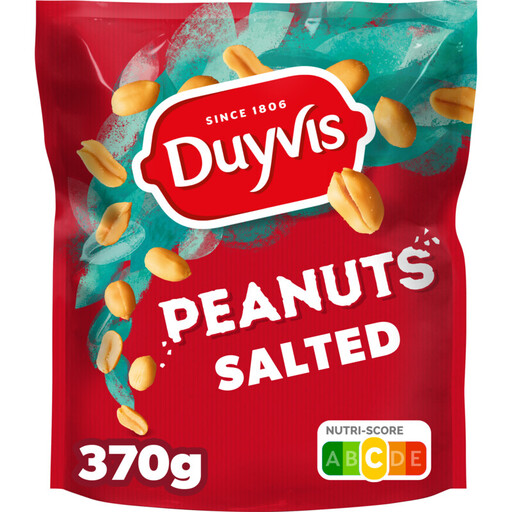
This salted variety is a good fit if you’re after a savoury peanut snack; the pack contains 370 g.
Product information lists peanuts, sunflower oil and salt. Contains peanuts and may contain other nuts. The pack warns of a choking hazard for children under 5.
 No image available
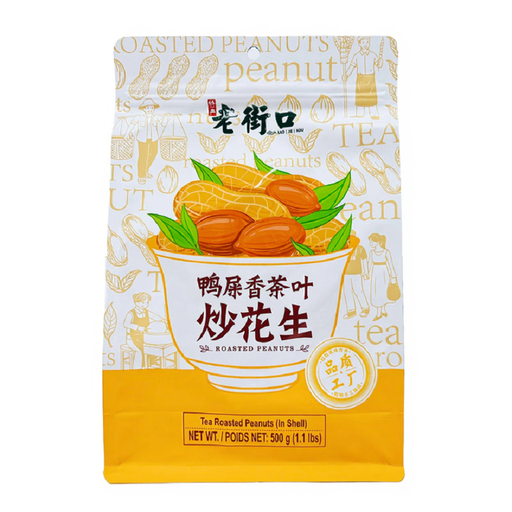
The pack contains 500 g of roasted peanuts, described as suitable for snacking or sharing.
The ingredients list 96% peanuts, salt and tea. The pack contains a sachet of desiccant, which must not be eaten.
 No image available
The pack contains 500 g of peanuts in their shells; bear in mind you’ll need to shell them before eating.
May contain traces of other nuts.
 No image available
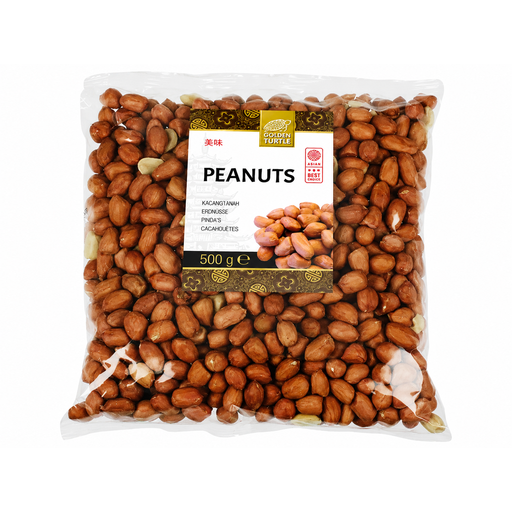
This pack contains 500 g of unroasted peanuts with their skins on; the description suggests roasting them as one way to prepare a snack.
The ingredients list peanuts. Bear in mind that you’ll need to prepare them before snacking.
That works out at 20 portions of 25 g. The Voedingscentrum uses 25 g as a handful in its general nutrition table; this isn’t personal advice to eat that amount every evening.
Store peanuts in a cool, dark, dry place in an airtight container, and follow the advice on the pack too. For opened salted peanuts, the Voedingscentrum gives six months in a kitchen cupboard as a general storage guideline; the quality may deteriorate.
Peanuts are an allergen, so check the allergen information on the pack for the exact variety. The NVWA states that prepacked products must show allergen information on the label; details about the possible presence of other nuts can vary by product.
The NVWA requires information about the 14 allergens covered by law, including peanuts. For prepacked products, this information must appear on the label. Rules on warnings about the unintended presence of allergens due to cross-contamination also apply from 1 January 2026; this is different from peanuts deliberately added as an ingredient.
Don’t assume you can. When you buy from a professional seller at a distance, you generally have a 14-day cooling-off period, but there are exceptions, including for goods that spoil quickly. Your Europe explains these general rules; check the applicable terms and any return costs for your order before buying.