
Portion-conscious snackers
You want to decide in advance how many peanuts to take with you, so you compare the nutritional information per 100 grams with the amount you actually eat.


Choose a measured portion of plain, unsalted peanuts if you want to avoid added salt, but don’t consider them low in calories: the five plain products compared list 602–625 kcal per 100 grams on product pages from Jumbo, PLUS, Albert Heijn and Duyvis. A 25-gram portion contains 150.5–156.25 kcal. For a commercial ‘low-calorie’ claim, the European Commission sets a limit of no more than 40 kcal per 100 grams for solid foods.
You want to decide in advance how many peanuts to take with you, so you compare the nutritional information per 100 grams with the amount you actually eat.
You’re looking for peanuts without added salt, but you also check the other ingredients and nutritional information. The Netherlands Nutrition Centre includes unsalted nuts in its Wheel of Five healthy eating guidelines.
You want to take a measured snack in a sealed container and consider when you’ll eat it. The Netherlands Nutrition Centre advises against eating a large portion or foods high in fat, protein or fibre just before exercise.
If you’re considering peanuts as a snack to take to the gym, portion size, ingredients, portability and timing can each be a different main reason for choosing one variety over another.
| What to consider | What should you look for? | Who is this most important for? |
|---|---|---|
| Calories per portion | Compare kcal per 100 grams and calculate the amount for the weight you’re taking with you. | If I want to match my snack portion to my calorie intake, I look at the measured portion; around 38% of this group prioritise calories per portion. |
| Ingredients | Check the packaging of your chosen variety for added salt, ingredients and allergens. | If you want to take salt or specific ingredients into account, the detailed ingredients and allergen information is more useful than the kcal figure alone; around 23% of consumers consider ingredients their main priority. |
| Portioning and portability | Check the pack size and take a measured amount with you in a well-sealed container. | If I want to prepare a snack for my gym bag in advance, I look for easy portioning and a secure seal; around 23% of this group prioritise convenience when taking a snack with them. |
| When you eat it | Consider both the portion size and when you’re going to exercise. | If you want a snack just before training, consider the amount and timing: the Netherlands Nutrition Centre advises against having a large portion or foods high in fat, protein or fibre at that time; around 16% of consumers prioritise when they eat. |
‘Unsalted’ describes the salt content, not the amount of energy. The plain, unsalted products checked list 602–625 kcal per 100 grams; for solid foods, the European Commission sets a maximum of 40 kcal per 100 grams for a ‘low-calorie’ claim.
Compare kcal per 100 grams and calculate the amount for your own portion. Consider salt separately from energy.
Albert Heijn lists twelve 25-gram portions in its 300-gram pack of unsalted peanuts. So the pack size isn’t the same as the amount for one snack.
Weigh out the amount you want to take with you at home and put it in a separate, sealable container.
The nutrition tables for Duyvis Borrelnootjes Cocktail show different figures: Duyvis lists 578 kcal per 100 grams, while Albert Heijn lists 541 kcal per 100 grams for the 275-gram pack. These values aren’t the same and shouldn’t be combined into a single product specification.
Compare the table for the specific variety on the same weight basis, and check the ingredients, salt and allergens too.
The range includes plain unsalted and salted peanuts, as well as peanuts with a crunchy coating.
AH Unsalted Peanuts are a 300-gram pack of plain peanuts, with a listed portion size of 25 grams.
Jumbo Unsalted Peanuts 250 g are a plain variety that you can portion out yourself.
Lidl describes its 200-gram pack of roasted unsalted peanuts as suitable for snacking or cooking.
ALDI’s official product page lists roasted, unsalted Trader Joe’s peanuts in a 250-gram pack.
PLUS lists its own-brand unsalted peanuts in packs including 250 and 300 grams.
The selection includes plain unsalted, roasted and flavoured peanuts. Compare the variety, portion size and nutritional information on the specific pack.
 Image unavailable
This 250-gram bag is a handy option for weighing out a portion at home and taking it with you as a snack.
The product description lists 99% peanuts, sunflower oil and 0.02 grams of salt. May contain cashew nuts.
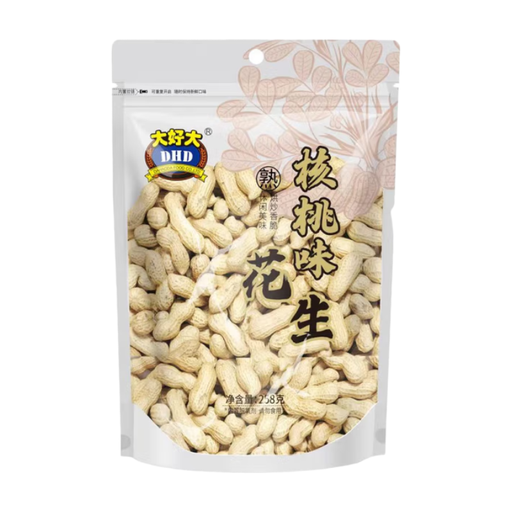 Image unavailable
The product description mentions individual packs, making these easy to take with you or share.
Listed ingredients include sugar, salt and soya. Contains peanuts and soya.
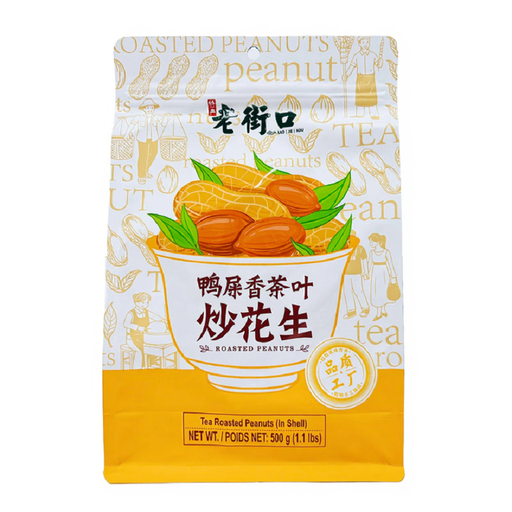 Image unavailable
These roasted in-shell peanuts have an oolong tea aroma and come in a 500-gram pack.
The product information lists 1.37 grams of salt. Check the nutrition table and the portion you plan to take with you.
 Image unavailable
This pack contains peanuts in their shells and is intended as a snack.
The product description recommends storing in a cool, dry place and resealing the pack securely after opening.
 Image unavailable
According to the product description, this 210-gram pack contains 100% peanuts and is a roasted, unsalted variety.
The nutritional information lists 626 kcal per 100 grams and 0.02 grams of salt. The energy value is well above the European limit for a ‘low-calorie’ claim on solid foods.
Only if the solid product contains no more than 40 kcal (170 kJ) per 100 grams when the term is used as a commercial nutrition claim. The European Commission sets this limit; the plain, unsalted products checked are above it. So talk about measuring portions, not low-calorie peanuts.
A large portion isn’t necessarily suitable just before exercise. The Netherlands Nutrition Centre advises against eating a large amount or foods high in fat, protein or fibre at that time. So consider both the amount and when you eat it.
Take the planned amount in a well-sealed container and follow the instructions on the main pack. The Netherlands Nutrition Centre advises storing peanuts in a cool, dark and dry place; this isn’t storage advice for a warm or damp gym bag.
Peanuts aren’t suitable if you have a peanut allergy. If you have other allergies, check the label for the specific variety: the 250-gram g’woon pack may contain cashew nuts, and according to the product information, Duyvis Borrelnootjes Cocktail also contains wheat and milk. The NVWA requires allergens to be listed on the label.
Albert Heijn has issued a warning about AH Extra Large Salted Peanuts in a tub with a best-before date of 04-11-2026 because they may contain metal fragments; do not eat that specific pack. The warning doesn’t automatically apply to all AH peanuts.
Not necessarily: the pack weight doesn’t tell you how much energy you’ll get per portion. Compare the nutritional value per 100 grams and weigh out the amount you’re taking with you. A smaller bag may, however, suit the amount you want to prepare for a snack.