What should you look for when buying?
Start with the specific ingredients your guests need to avoid; only then look at labels such as gluten-free, lactose-free or vegan.
| Shopping need |
What should you check? |
Who is this important for? |
| Avoiding allergens |
Ask which allergen needs to be avoided, then read the full ingredients list and any warnings. |
If a guest has a peanut allergy, peanuts are off the menu, regardless of any other dietary labels. Around 29% of consumers put avoiding an allergen first. |
| Choosing gluten-free |
Check the gluten-free claim on the exact product variant, and read the label again if the packaging is different. |
If avoiding gluten is the main concern and peanuts are safe for the guest, look for a suitable claim on the product. Around 24% of consumers make gluten-free their top shopping priority. |
| Distinguishing lactose from milk |
Ask whether the issue is lactose intolerance or a milk allergy, then assess the product information accordingly. |
If a guest needs to avoid milk or lactose, it matters which one applies. Around 18% of consumers put this restriction first. |
| Choosing vegan |
Check the vegan claim for the product variant and assess allergens separately. |
If a vegan option is the priority, a vegan claim can help, but it doesn’t make a peanut product suitable for someone with a peanut allergy. Around 12% of consumers start with vegan as their top shopping priority. |
| Serving a separate buffet portion |
Use clean crockery and cutlery for separate portions, and keep the product packaging to hand. |
If you’re serving different snacks, you’ll want to stop a suitable portion from coming into contact with other products. Around 17% of consumers put buffet organisation first. |
Peanuts and peanut snacks at Joybuy
This selection includes salted and unsalted peanuts, as well as other peanut snacks. Check the ingredients and allergen information for every guest; choosing a product does not in itself confirm that it’s suitable for someone with an allergy.
 No image available
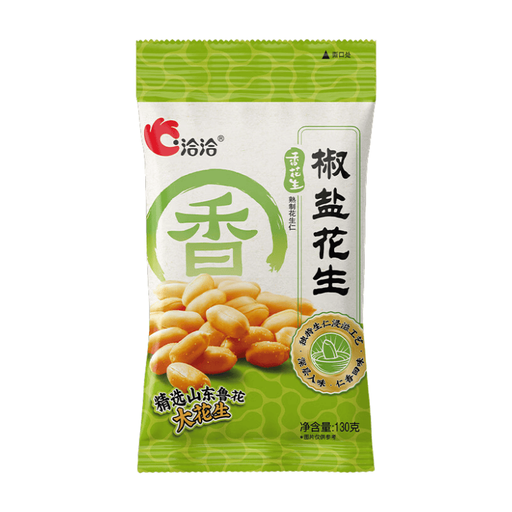
ChaCha Salted Peanuts 130g
A salted peanut snack for guests who can eat peanuts.
The description lists roasted peanuts with salt and Sichuan pepper, individually wrapped for sharing. Do not eat the enclosed desiccant sachet.
Joybuy
 No image available
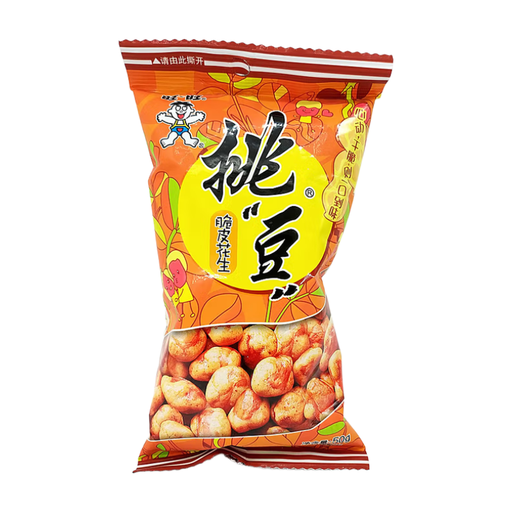
WANT WANT Tiaodou Crispy Peanuts 50G
A crunchy peanut snack to consider when its ingredients suit your guests’ dietary needs.
The product description lists 70% peanuts and a coating made with rice and wheat flour. Wheat and soya are listed as allergens; check the full, up-to-date product information.
Joybuy
 No image available
g'woon Unsalted Peanuts 250g
An unsalted option to compare if your guests can eat peanuts.
The product information lists 99% peanuts and sunflower oil, and warns that it may contain traces of cashew nuts.
Joybuy
 No image available
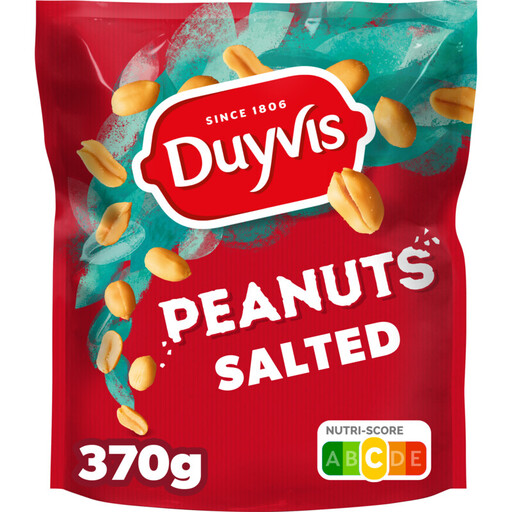
Duyvis Salted Peanuts 370 g
A salted option for guests who can eat peanuts.
The ingredients are peanuts, sunflower oil and salt; the salt content is 0.73 g per 100 g. Joybuy’s product information advises against giving this variant to children under 5 because of the risk of choking.
Joybuy
 No image available
g'woon Peanuts in Shell 500 g
Peanuts in their shells for anyone who wants to serve them as a snack or use them in dishes.
The product name specifies peanuts in their shells. Check the ingredients and allergen information on the current packaging.
Joybuy
Frequently asked questions
Do you need to buy the same free-from snack for every guest?
No. Ask which specific ingredients each guest needs to avoid and assess products accordingly. If a guest has an allergy and the rest of the buffet contains ingredients they need to avoid, prepare a separate suitable portion for them.
What does a cross-contamination warning on Dutch packaging mean?
The NVWA refers to substantiated warnings such as ‘May contain X’ and ‘Not suitable for people with an X allergy’ under the rules it will oversee from 2026. Such a warning relates to the possible unintended presence of an allergen, rather than an ingredient that has been deliberately added; assess the wording for the specific product.
Does lactose-free mean suitable for someone with a milk allergy?
No. A lactose-free label alone doesn’t mean a product is suitable for someone with a milk allergy. Lactose intolerance relates to milk sugar; ask which restriction applies and, in the case of a milk allergy, check the ingredients and relevant warnings.
How can you stop snacks from getting mixed up when serving them?
Prepare a separate portion using clean crockery and cutlery, and keep the packaging to hand so you can check the ingredients. Stichting Voedselallergie advises using clean utensils; don’t pick unsuitable ingredients out of a shared bowl after serving.
Are whole peanuts suitable for young children?
The product information for Duyvis Salted Peanuts 370 g advises against giving this variant to children under 5 because of the risk of choking. This is a product-specific recommendation, not a general legal age limit.


