
Gamers who need to avoid an allergen
You want to check before buying whether a snack contains an allergen you need to avoid, and whether it carries a warning about possible cross-contamination. If you have a peanut allergy, don’t choose peanuts.


If you have a peanut allergy, peanuts are not a suitable snack: the Netherlands Nutrition Centre and the Dutch Food Allergy Foundation identify peanuts as an allergen, and heating does not make that allergen harmless. If you can eat peanuts but need to avoid gluten or lactose, check the claims and ingredients for the specific product; ‘unsalted’ tells you nothing about whether it is free from allergens.
You want to check before buying whether a snack contains an allergen you need to avoid, and whether it carries a warning about possible cross-contamination. If you have a peanut allergy, don’t choose peanuts.
You can eat peanuts but are looking for product information that suits your specific needs. Gluten-free and lactose-free are different claims; if you have a milk allergy, you’ll need to check separately.
You’re organising snacks for several people and want to check that they suit each person’s dietary needs, portion them out in advance and store opened packets properly.
Start with the ingredient you need to avoid: if you have a peanut allergy, peanuts are out. Gluten-free and lactose-free address different needs and are not a general guarantee that a product is free from allergens.
| What to consider | What should you check? | Who is this important for? |
|---|---|---|
| Avoiding the relevant allergen | Check the ingredients and the warning about possible cross-contamination. The Netherlands Food and Consumer Product Safety Authority (NVWA) describes warnings such as ‘May contain X’. | If I need to avoid peanuts or another allergen, I also check the warning about possible cross-contamination; if I have a peanut allergy, I don’t choose a product containing peanuts. Around 36% of consumers say avoiding allergens other than milk is their top priority. |
| Checking that the specific product is gluten-free | Look for a gluten-free claim or suitable certification on the exact product, and read the rest of the labelling too. The Dutch Coeliac Association lists the Crossed Grain symbol, another gluten-free logo or the words ‘gluten-free’ as things to check. | If I eat gluten-free and can eat peanuts, I want to know whether this particular product carries a gluten-free claim. Around 29% of consumers say gluten-free is their top priority. |
| Distinguishing lactose intolerance from milk allergy | Establish whether you need to limit lactose or avoid milk because of an allergy. The Netherlands Nutrition Centre distinguishes lactose intolerance from a reaction to milk proteins. | If I need to limit lactose or avoid milk, I want my choice to suit that specific need. Around 21% of consumers say avoiding milk or lactose is their top priority. |
| Planning portions and storage | Check the pack weight and follow the storage instructions for your chosen product; you can also portion out snacks in advance. | For a gaming session with several people, I want to portion out snacks in advance and store the packet properly, without confusing practical planning with suitability for a particular diet. Around 14% of consumers say managing snacks is their top priority. |
A gluten-free or lactose-free claim does not mean that a product is free from peanuts. The Netherlands Nutrition Centre identifies peanuts as an allergen; according to the Dutch Food Allergy Foundation, the peanut allergen remains present even after heating.
First establish which allergen you need to avoid. If you have a peanut allergy, choose a snack without peanuts and check the relevant warnings on the packaging too.
The ingredients list and a warning about possible cross-contamination provide different information. The NVWA describes ‘May contain X’ as a warning about this risk.
Check both on the packaging of the exact product and assess them in relation to the allergen you need to avoid.
Duyvis sells plain peanuts as well as varieties with herbs, marinades or a coating. Check the recipe and labelling for each product.
Albert Heijn sells products including AH Unsalted Peanuts, 300 g; the information applies to that specific variety.
Jumbo’s product information describes Unsalted Peanuts, 250 g.
Lidl’s Alesto range includes peanuts in a spicy dough coating.
ALDI Netherlands’ product information describes Trader Joe’s roasted, unsalted peanuts, 250 g.
PLUS describes a 300 g unsalted peanuts variety.
This selection includes unsalted peanuts, peanuts in their shells, gluten-free granola with peanuts and okra crisps as a snack alternative whose listed ingredients do not mention peanuts. Whatever your dietary needs, always check the ingredients and cross-contamination information on the current packaging.
 Image unavailable
Only suitable if you can eat peanuts and are looking for unsalted peanuts.
Ingredients: 99% peanuts and sunflower oil. May contain cashew nuts.
 Image unavailable
For anyone who can eat peanuts and is looking for a roasted, unsalted variety.
The product description lists 100% peanuts. The product name specifies roasted peanuts, 210 g.
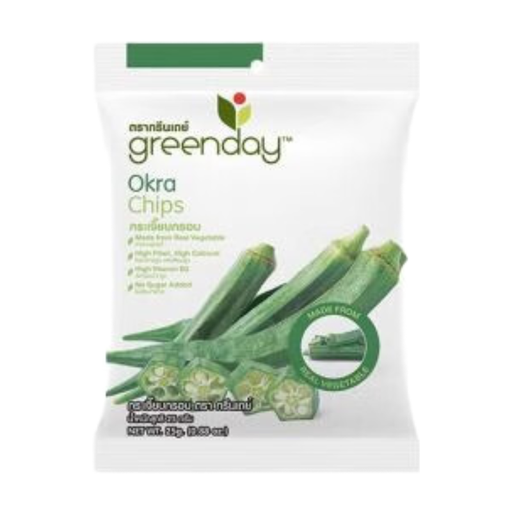 Image unavailable
A snack alternative to consider if you want to avoid peanuts; peanuts are not mentioned in the listed ingredients.
The ingredients list 98% okra and 2% rice bran oil. The product description says it is gluten-free; check the current packaging for cross-contamination information too.
 Image unavailable
Only an option if you can eat peanuts and are looking for peanuts in their shells.
The product name lists 500 g. The product description mentions possible traces of nuts.
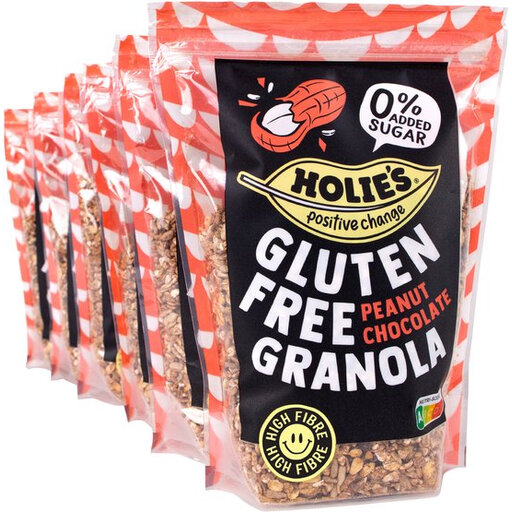 Image unavailable
This is granola with peanuts, not loose peanuts; consider this variety if you can eat peanuts and are looking for granola labelled gluten-free.
The product description lists 44% gluten-free oat flakes and peanut butter. It may contain almonds, cashews, hazelnuts, pecans and soya.
No. Choose a snack without peanuts for that person; the Dutch Food Allergy Foundation describes the peanut allergen as stable when heated. Check warnings about possible cross-contamination too.
No. Gluten-free relates to gluten, not peanuts. If you need to avoid peanuts, check the ingredients and allergen information for the exact product.
No. Lactose is milk sugar; a milk allergy involves milk proteins. The Netherlands Nutrition Centre makes this distinction. Check the product information that relates to your specific needs.
In its Dutch explanation of the policy, the NVWA lists warnings such as ‘May contain X’ and ‘Not suitable for people with an X allergy’. Such a warning should be based on a risk assessment; read the packaging for information about the product you have chosen.
Follow the storage instructions on the exact packaging. For Duyvis unsalted peanuts, PLUS’s product information says to store them in a cool, dry place and put the opened bag in a light- and airtight container.