
Shoppers who pay attention to pack size
You compare quantities and want a pack that suits how often you eat peanuts. A larger bag is only practical if you’ll use it all and can store it according to the instructions on the label.


Don’t choose peanuts based on a protein-focused product name alone: compare the nutritional information for the exact variant with the portion you actually eat. According to the Netherlands Nutrition Centre, a 25 g portion of unsalted peanuts contains 6.3 g of protein and 157 kcal. Consider this as part of your overall diet, and don’t assume that ‘high protein’ is a proven product property.
You compare quantities and want a pack that suits how often you eat peanuts. A larger bag is only practical if you’ll use it all and can store it according to the instructions on the label.
You want to know how much protein a typical portion adds to your overall diet, without attributing a specific recovery benefit to a brand. According to the Netherlands Nutrition Centre, 25 g of unsalted peanuts contains 6.3 g of protein.
You eat peanuts as a snack and take portion size, energy content and whether they’re unsalted into account. The Netherlands Nutrition Centre lists 157 kcal for a 25 g portion of unsalted peanuts.
First compare the quantity and nutritional information for the exact variant. Then check that the flavour, portion size and storage instructions suit the way you’ll use it.
| What to consider | What should you look for? | Who is this important for? |
|---|---|---|
| Pack size | Compare the net weight and choose a quantity that suits how often you eat peanuts. | I want to choose a pack whose contents I’ll actually use. Around 36% of shoppers prioritise the quantity they buy each time. |
| Protein per portion | Check the protein value on the exact pack and calculate it for the same portion size you eat. | I keep track of how much protein my snack adds to my overall diet for sport. Around 29% of shoppers focus mainly on the protein provided by a portion. |
| Portion size and salt | Compare the energy and salt content for the same variant, and check whether the peanuts are unsalted. | I want to make an informed choice about my portion size and salt intake. Around 21% of shoppers prioritise portion size and unsalted snacking. |
| Use and storage | Choose a pack size that suits how you’ll use it, and follow the storage instructions on the pack. | I want a quantity that suits how often I eat peanuts and how I can store them. Around 14% of shoppers mainly value buying an appropriate quantity and being able to store it properly. |
A product name alone doesn’t tell you how much protein a portion provides or what effect you can expect. The NVWA checks that protein claims are supported by the product’s composition; also consider peanuts as part of your overall diet.
Compare the nutrition table for the exact variant, and distinguish nutrition claims from promises about a product’s effects.
According to the Netherlands Nutrition Centre, a 25 g reference portion of unsalted peanuts contains 6.3 g of protein and 157 kcal. That’s not the same as the value per 100 g.
Calculate the protein and energy content for the amount you actually eat.
Offers separate unsalted, salted and flavoured peanut varieties.
Offers an unsalted peanut variety under its AH own-brand label.
Offers unsalted peanuts in various pack sizes, including a 500 g pack and smaller options.
Has a product page for unsalted peanuts.
According to its product page, offers Trader Joe’s roasted, unsalted peanuts.
Offers unsalted peanuts in different pack sizes.
This selection includes unsalted, roasted and flavoured peanuts in a range of pack sizes.
 No image available
A good choice if you’re looking for unsalted peanuts in a 250 g pack. The product information lists 27 g of protein per 100 g; the product may contain cashew nuts.
 No image available
This 500 g pack is for anyone looking for peanuts in their shells. The product information lists 29 g of protein and 0.12 g of salt per 100 g.
 No image available
A good choice if you’re looking for roasted peanuts in a 210 g pack. The product information lists 26.0 g of protein per 100 g and states that no salt has been added.
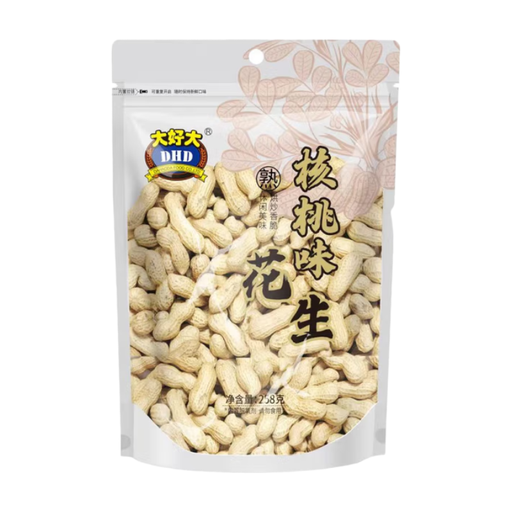 No image available
A good choice if you’re looking for a flavoured variety in a 258 g pack. The product information lists 24.8 g of protein per 100 g, with added salt and soya.
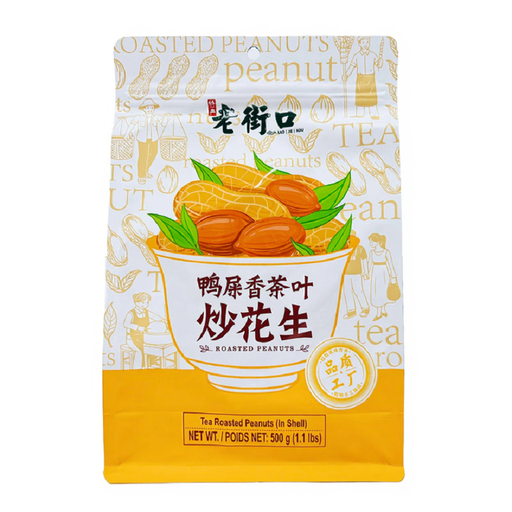 No image available
This 500 g pack is a flavoured option for sharing or enjoying as a snack. The product information lists 25.2 g of protein and 1.37 g of salt per 100 g.
According to the Netherlands Nutrition Centre, people who exercise have a higher protein requirement, but most don’t need special protein shakes or bars if they eat a healthy, varied diet. Think of peanuts as part of your overall diet, not as a recovery product in their own right.
Multiply the number of grams in your portion by the amount of protein per 100 g, then divide the result by 100. Use the nutritional information for exactly the same variant and pack. For example, the 25 g of protein per 100 g listed for PLUS unsalted peanuts in the 300 g stand-up pouch doesn’t automatically apply to other packs.
Follow the storage instructions on the pack. If it says ‘Store in a cool place’, the Netherlands Nutrition Centre describes this as a cool, dark and dry place at 15 to 20 °C. Also check whether different instructions apply after opening.
Read the label on the exact pack and check the listed allergens and any risk of cross-contamination. The NVWA states that allergens must be clearly and accurately listed; according to the Food Allergy Foundation, the peanut allergen remains stable when heated.
No. The warning concerns AH Pinda’s extra groot gezouten in a tub with a best-before date of 4 November 2026. On 13 October 2026, Albert Heijn recalled this specific product because it may contain metal fragments and asked customers not to eat it. The warning doesn’t automatically apply to other AH peanuts or unsalted varieties.