
For anyone who regularly caters for several guests
If you often serve peanuts, a larger bag is an option if you can store the contents properly and expect to use them. For example, 500 g packs are available at Jumbo and Albert Heijn.


A large bag is a good choice if you regularly host drinks on the terrace and can store the contents properly. For occasional get-togethers, smaller packs or individual bags make it easier to open only what you need. Also consider how much salt you prefer, the variety you want and how much you’re likely to use.
If you often serve peanuts, a larger bag is an option if you can store the contents properly and expect to use them. For example, 500 g packs are available at Jumbo and Albert Heijn.
If you entertain less often, smaller bags or individual portions may better suit the amount you want to open each time. Duyvis lists several sizes, while HANOS also describes a box of 60 g bags.
If you want unsalted peanuts, check the variety on the packaging. Both Jumbo and Albert Heijn list salted and unsalted options in their range.
Your choice mainly depends on how many people you’re serving, how much you want to open at once and which variety your guests will enjoy.
| What to consider | What to look for | Who might find this relevant? |
|---|---|---|
| Amount for your get-together | Check the net weight and compare like-for-like varieties. Match the total amount to the number of occasions you want your supply to cover. | If I regularly serve several guests, I want to have enough in the cupboard without opening more than I need. Around 36% of consumers put having the right amount first. |
| Opening and storage | Check the amount in each bag, the number of bags and the storage instructions once opened. | For an occasional get-together, I’d rather not open a large pack every time. Around 29% of consumers prioritise portions that suit their needs and being able to store the rest. |
| With or without added salt | Check the variety name and ingredients list on the packaging. | If I’m looking for peanuts with no added salt, a salted variety isn’t a suitable substitute. Around 21% of consumers put this choice first. |
| Flavour and preparation | Check whether they’re plain, roasted or seasoned peanuts, and read the full product name. | When I’m looking for a particular snack flavour, I want to know what preparation method and ingredients are listed on the pack. Around 14% of consumers put their preferred flavour first. |
A box of individual bags and one large bag can contain the same total amount, divided up differently. So the weight of the box alone doesn’t tell you how much you’ll open at a time.
Check both the net weight of the full pack and the contents and number of individual bags.
Peanuts can lose quality once opened. The Netherlands Nutrition Centre lists rancidity, a tough texture and mould as signs to look out for.
Seal the pack properly and follow the storage instructions for your chosen variety. For the Duyvis pack reviewed, the product information recommends storing it in a light- and airtight container.
Peanuts are an allergen; roasting doesn’t make the allergen harmless. Salted, unsalted and seasoned varieties also differ in their ingredients.
Check the variety and the current label. Don’t serve peanuts to anyone with a peanut allergy, even if they’re roasted.
Duyvis lists salted peanuts in 60 g, 100 g, 235 g and 370 g packs. HANOS also describes a box containing 20 bags of 60 g.
Albert Heijn’s product information lists both salted and unsalted peanuts, including a 500 g bag.
Jumbo lists salted and unsalted varieties, including 500 g packs. Its range information also mentions a 250 g bag of plain peanuts.
PLUS product information lists 500 g packs of salted peanuts and 370 g stand-up pouches of Duyvis salted peanuts.
ALDI describes TRADER JOE’S roasted, salted peanuts in a 500 g pack.
Lidl’s product information lists unsalted peanuts in a 285 g pack.
These product options range from salted peanuts to roasted, seasoned and in-shell varieties. Check which type is right for your get-together.
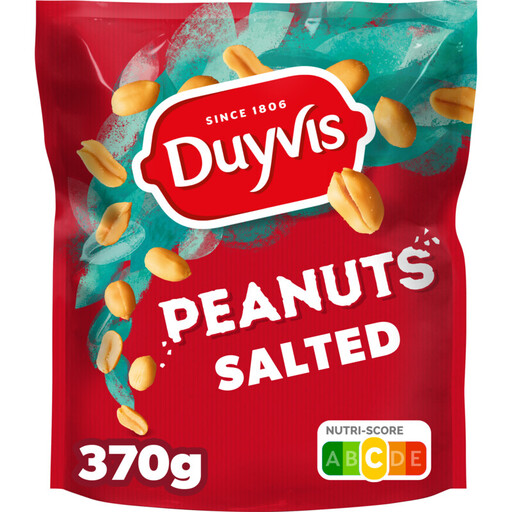 No image available
A single pack of salted peanuts for anyone looking for this variety.
The product information lists peanuts, sunflower oil and salt. The description warns of a choking hazard for children under 5 and notes that other nuts may be present.
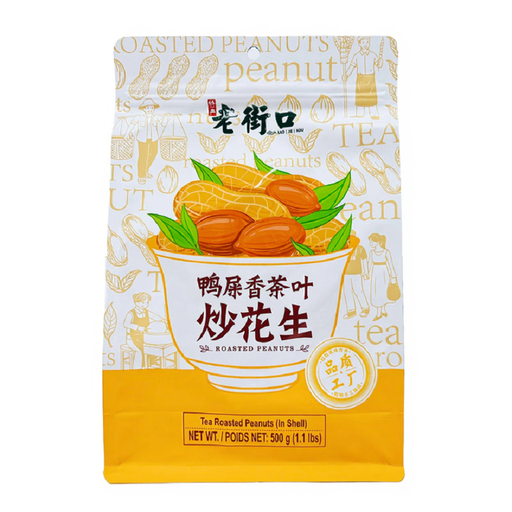 No image available
A larger pack for anyone looking for roasted peanuts with a tea flavour.
The product information lists 96% peanuts, salt and tea among the ingredients. The product contains peanuts.
 No image available
A 500 g pack for anyone looking for peanuts in their shells.
The product information lists peanuts as an ingredient. The description notes that traces of nuts may be present; check the label before serving.
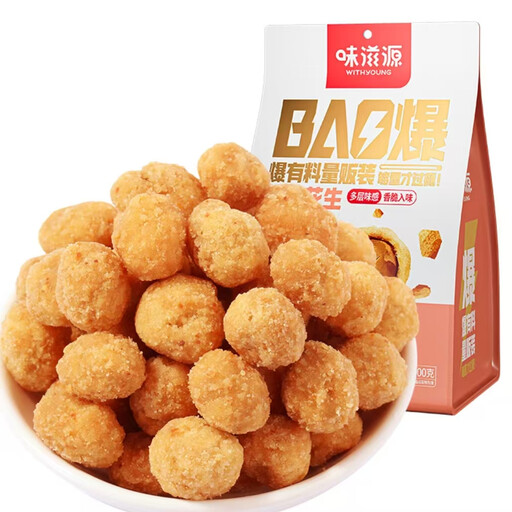 No image available
A seasoned snack option for anyone looking for something different from plain peanuts.
The product information lists 33% peanuts, as well as wheat flour, sugar, salt and chilli powder. The product contains peanuts and wheat (gluten).
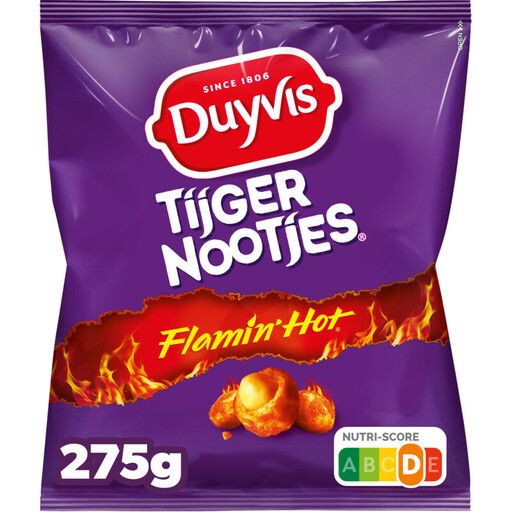 No image available
A spicy coated snack for anyone looking for a seasoned treat to serve with drinks.
The product information lists 39% peanuts and a coating that includes wheat and Flamin’ Hot seasoning. The product contains peanuts and gluten (wheat); the description notes that traces of milk, nuts, soya and mustard may be present.
Look at both the total amount and how much you open each time. The box described by HANOS contains 20 bags of 60 g, totalling 1.2 kg. Also check the instructions for storing both opened and unopened packs.
Follow the instructions on the packaging and seal the peanuts properly after use. For the Duyvis peanuts reviewed, HANOS recommends storing them in a cool, dry place and transferring them to a light- and airtight container once opened. For opened salted peanuts, the Netherlands Nutrition Centre gives six months in a kitchen cupboard as a general guide; this isn’t a guarantee for every pack or storage condition. Rancidity, a tough texture or mould are signs of loss of quality or spoilage.
Read the label on the pack you’re actually buying. The Netherlands Food and Consumer Product Safety Authority states that allergen information for pre-packed products must appear on the label. Also check information about possible cross-contamination, especially if you’re buying for someone with a food allergy.
No. The Dutch Food Allergy Foundation states that peanut allergens remain stable when heated. So don’t use roasted peanuts as a substitute for an allergen-free snack.
For children under four, the Netherlands Nutrition Centre recommends nut butter with no added sugar or salt instead of whole nuts, due to the risk of choking. Bear this advice in mind when choosing snacks for young children.