What should you look for when choosing?
Choose one main priority for film night: the product’s composition, how much you eat, salt, or the flavour and crunch you’re after.
Peanuts in a crunchy coating
A good fit if: you’re after a seasoned, crunchy snack to enjoy with drinks and want to assess a claim about reduced fat within that product group.
Bear in mind: Albert Heijn listed the historical Duyvis Herbs&Onion variant as discontinued. The claim compared it with standard peanuts in a crunchy coating, not with all plain peanuts.
Roasted and seasoned peanuts
A good fit if: you want a roasted snack and are happy to take the nutritional values of the specific variant into account.
Bear in mind: Jumbo lists 43.1 g of fat and 1.80 g of salt per 100 g for Dry Roasted; the preparation method alone isn’t a reduced-fat claim.
Unsalted peanuts with a measured portion
A good fit if: less salt or having control over how much you eat matters more than a special light variant.
Bear in mind: unsalted doesn’t mean low in fat; AH Unsalted lists 51 g of fat per 100 g.
Oven-baked peanuts
A good fit if: a preparation method that uses no added fat matters more to you than a reduced-fat claim.
Bear in mind: Duyvis describes Oven Baked Peanuts Original as made without added oil or fat, but the product still contains fat.
| What to consider |
What should you check? |
Who does this matter most to? |
| Is the reduced-fat claim substantiated? |
Read the full claim and check the comparison group; also check the fat content per 100 g. |
If you’re looking for less fat in the product itself, you’ll want to know what the claim is compared with. Around 31% of consumers prioritise a demonstrable reduction in fat. |
| How much will you eat? |
Compare products per 100 g first, then work out the values for the same portion size of your choice. |
If your main aim is to limit how much you eat during the film, measuring your portion matters more than a light claim alone. Around 31% of consumers give top priority to the amount of fat and energy in the portion they eat. |
| Less salt or less fat? |
Check salt and fat separately per 100 g, then decide which matters more to you. |
If less salt comes first for you, an unsalted variant may suit you, but that doesn’t mean it contains less fat. Around 23% of consumers make salt their main priority. |
| Flavour and composition |
Choose plain peanuts or a crunchy coating, then check the ingredients and allergens for the exact variant. |
If you’re mainly after a particular seasoning or crunch for film night, you’ll want to know what else is in the snack besides peanuts. Around 15% of consumers prioritise flavour and composition. |
Peanuts at Joybuy
These Joybuy products offer a range of peanut snacks to compare by ingredients, salt, fat and portion size; none is presented here as demonstrably reduced fat.
 No image available
g’woon unsalted peanuts 250 g
An option if you’re looking for unsalted peanuts and want to choose your own portion size.
The product description lists 99% peanuts, 50 g of fat and 0.02 g of salt per 100 g. Contains peanuts and may contain cashew nuts.
Joybuy
 No image available
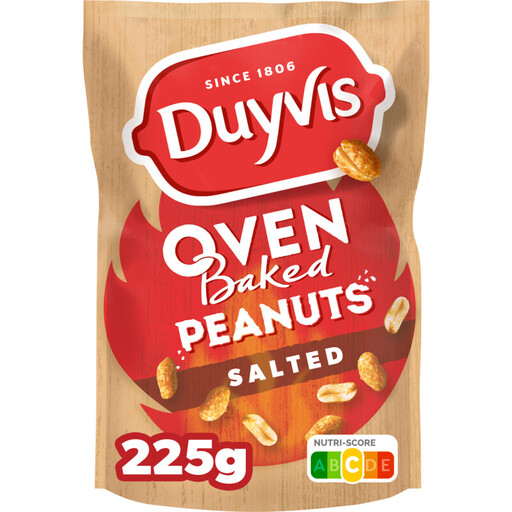
Duyvis roasted peanuts 225 g
A ready-to-eat choice if you’re looking for roasted peanuts for film night.
The product description lists 50 g of fat and 1.4 g of salt per 100 g. Contains peanuts and may contain other nuts.
Joybuy
 No image available
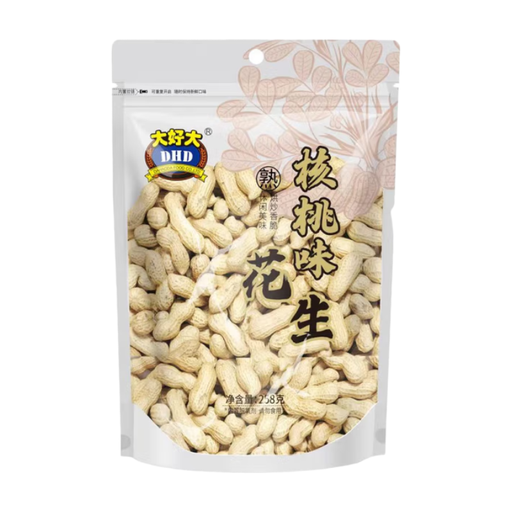
Dahaoda Walnut Flavour Peanuts 258 g
A flavoured option if you’re looking for peanuts with a walnut flavour.
The product description lists 46.2 g of fat per 100 g and includes sugar and salt among the ingredients. Contains peanuts and soya.
Joybuy
 No image available
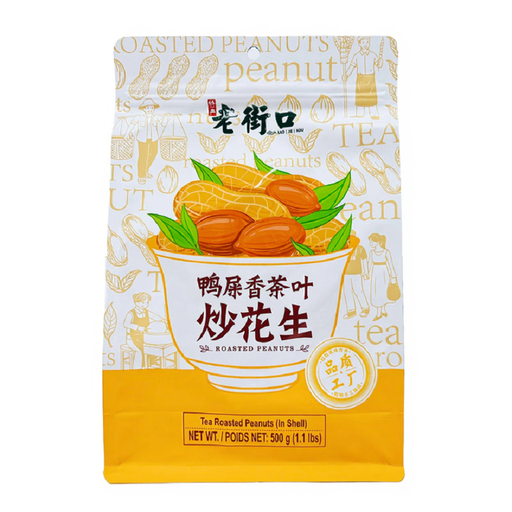
Lao Jie Kou Yashi Xiang Tea-Infused Roasted Peanuts 500 g
An option if you’re looking for roasted peanuts flavoured with oolong tea.
The product description lists 35.6 g of fat and 1.37 g of salt per 100 g. Contains peanuts.
Joybuy
 No image available
g’woon peanuts in shells 500 g
An option if you want to eat peanuts in their shells rather than shelled peanuts.
The product description lists 49 g of fat and 0.12 g of salt per 100 g. Contains peanuts and may contain traces of other nuts.
Joybuy
Frequently asked questions
Do ‘reduced fat’ and ‘low fat’ mean the same thing?
No. For solid foods, the European Commission sets a maximum of 3 g of fat per 100 g for a ‘low fat’ claim. A reduced-fat claim depends on what the product is compared with and the product group, so check the wording on the packaging too.
How do I compare the nutritional values of two bags of peanuts?
Compare the values per 100 g first, then work them out for the same portion weight. Label portions may differ; also consider fat, salt and ingredients separately.
Do unsalted or oven-baked peanuts contain less fat?
No, those descriptions don’t in themselves prove a reduction in fat. Unsalted tells you about the salt, while oven-baked describes the preparation method. Check the nutrition table for fat and read any claim alongside its comparison group.
Can guests with allergies eat them too?
Always check the ingredients and allergen information on the exact pack. Peanuts contain peanuts; some seasoned varieties also contain wheat or gluten, and product information may mention the possible presence of other nuts. Young children may also choke on peanuts.
How should I store peanuts after film night?
Store peanuts in a tightly sealed container in a dry place. For Duyvis Original, Jumbo recommends using a container that keeps out light and air once opened; follow the storage instructions on the pack for other variants.


