
Film snackers keeping an eye on fat
You’re looking for peanuts for a film night and want to know whether a lower fat figure makes a difference to how much you eat. Compare the same portion, the preparation method and what any claim actually means.


None of the plain peanuts reviewed were confirmed as reduced-fat. So compare fat and energy for the same portion, and choose unsalted peanuts only if reducing salt is your main priority. Dry roasted or made without added oil or fat does not automatically mean low-fat; check the ingredients and the cinema’s rules too.
You’re looking for peanuts for a film night and want to know whether a lower fat figure makes a difference to how much you eat. Compare the same portion, the preparation method and what any claim actually means.
You want to measure out how much you’ll have for one film in advance. A clear label and a suitable portion may matter more to you than a large bag or a suggestive product name.
You’re looking for a film snack with no added salt, while bearing in mind that unsalted peanuts still contain fat. Check the difference between these and seasoned dry-roasted varieties.
First compare the nutritional values for the same amount; then look at salt, flavour, packaging and the rules at the place where you plan to snack.
| What to consider | What should you look for? | Who is this most relevant to? |
|---|---|---|
| Fat content | Compare grams of fat per 100 g and per portion of your choice. If there’s a comparative claim, check which reference product it names. | If lower fat is my top priority, I want to be able to assess the claim and what it is being compared with. Around 31% of consumers prioritise an actual reduction in fat. |
| Portion and energy | Decide in advance how much you want to eat and work out the nutritional values for that amount. | If you want to measure out an amount for one film, this helps you avoid mistaking a bag for a single portion; around 25% of consumers say portion size and energy are the deciding factors. |
| Flavour and salt | Check the salt per 100 g, the ingredients list and the allergen information. | If I want unsalted or, alternatively, savoury peanuts, I don’t want the fat figure alone to determine the difference. For around 19% of consumers, flavour or salt preference is the deciding factor. |
| Packaging and use | Check the pack size and, once opened, store the peanuts according to the instructions on the packaging. | If I want to use the bag for several film nights, the packaging matters alongside the amount per portion. Around 13% of consumers prioritise budget and how they use the packaging. |
| Eating at the venue | Check the cinema’s rules and, if you have allergies, ask for the available information before buying. | If I want to eat the snack at the venue, it must be allowed there and I need to be able to check the product information. Around 12% of consumers take the place where they’ll eat it into account. |
These terms don’t mean the same thing when it comes to preparation, salt or a comparative nutritional claim. For example, PLUS lists sunflower oil in the dry-roasted variety reviewed, while Duyvis’s preparation claim refers to adding oil or fat.
Check fat, energy, salt and ingredients separately. Don’t take a preparation name as proof that a product is low-fat.
The claim of 40% less fat for Duyvis Japanese borrelmix compares a mix containing rice crackers with peanuts in a crispy coating. That is not the same comparison as one between bags of plain peanuts.
Check which reference product is named on the packaging, and first decide whether you’re looking for plain peanuts or a mixed snack.
A pack intended for several occasions doesn’t tell you how much you’ll eat during one film. Jumbo states that a 200 g bag of dry-roasted peanuts contains eight portions.
Measure out the amount you want in advance and follow the storage instructions on the packaging for the rest.
If you’re using the bag over several evenings, remember to store it properly once opened.
For school visits, Pathé Business states that food and drink brought from outside may not be consumed in the cinema. This house rule does not automatically apply to every cinema or type of visit.
Before buying, check the rules for the specific venue and type of visit.
A snack you’ve already bought may not be suitable for the venue you had in mind.
Oven Baked Peanuts Original is worth considering if you’re specifically interested in how the peanuts are prepared.
AH Unsalted Peanuts, 500 g, are an option to compare if reducing salt is your priority.
Jumbo Dry Roasted Peanuts, 200 g, are a seasoned option to compare, with nutritional values listed per 100 g and per 25 g.
PLUS offers dry-roasted and unsalted peanuts reviewed here, so you can compare the preparation name, fat and salt separately.
The unsalted peanuts listed are worth considering if you’re looking for a variety with no added salt.
ALDI lists Trader Joe’s Dry Roasted Peanuts in seasoned and black pepper varieties, in a 225 g pack.
These Joybuy products are peanut snacks to compare by variety and portion; the list itself does not confirm a reduced-fat claim.
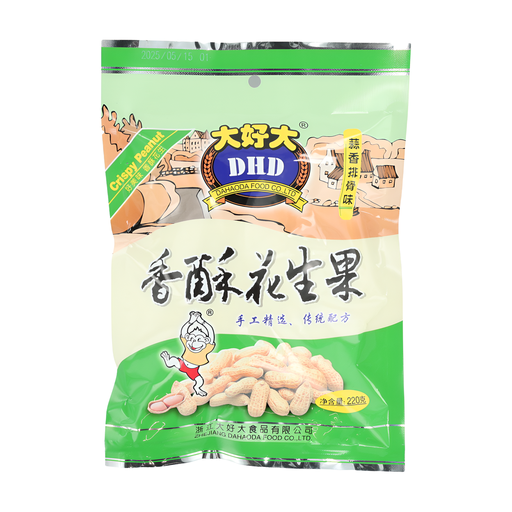 No image available
This ready-to-eat peanut snack with garlic and sparerib flavour could be a good choice if you’re looking for a savoury film snack.
The product information lists peanuts, wheat (gluten) and soya as allergens.
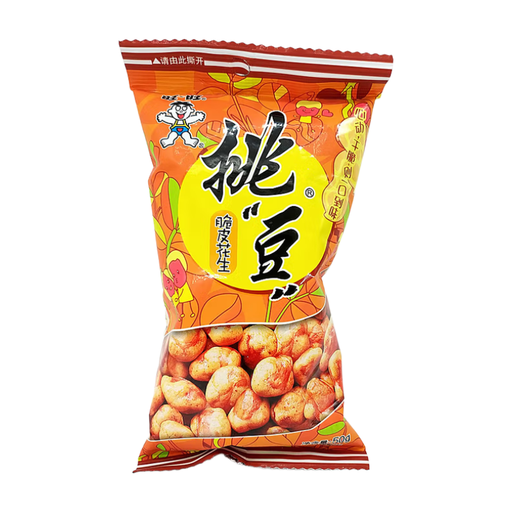 No image available
These ready-to-eat crispy peanuts could be a good choice if you’re looking for a small pack to snack on or share.
The product information lists peanuts, wheat (gluten) and soya as allergens.
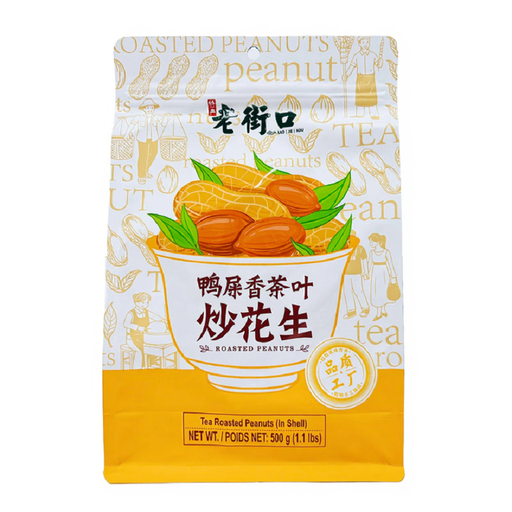 No image available
These roasted peanuts in their shells, with oolong tea aroma, could be a good choice if you’re looking for that flavour.
The peanuts are sold in their shells.
 No image available
These peanuts in their shells could be a good choice if you’re looking for a simple peanut snack.
The peanuts are sold in their shells.
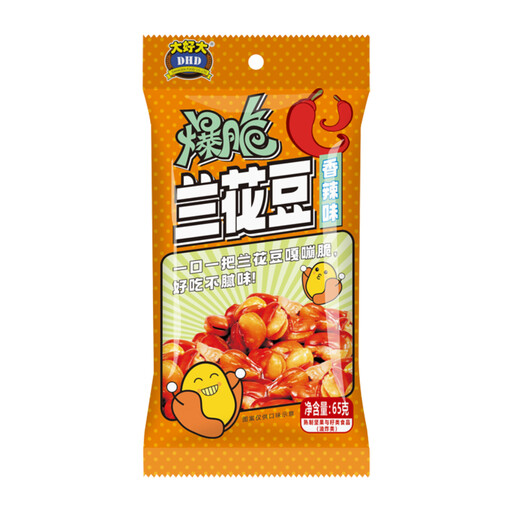 No image available
These spicy crispy peanuts could be a good choice if you’re looking for a snack that’s ready to serve.
No. Having a lower figure than another product does not automatically make a peanut snack low-fat. According to the European Commission overview, solid foods must contain no more than 3 g of fat per 100 g to carry a low-fat claim. The Dutch Bakery Centre explains that a claim about a reduced content requires at least a 30% reduction compared with similar products; so check the named reference product and the basis of comparison too. The NVWA stresses that voluntary food information must not be misleading, confusing or ambiguous.
No, the name dry roasted is not enough to tell you that. The ingredients list for the PLUS Dry Roasted Peanuts reviewed includes sunflower oil. Duyvis describes the preparation method for Oven Baked Peanuts Original separately as involving no added oil or fat; that does not mean the product is low-fat.
Work out all the nutritional values for the same measured amount. Jumbo Dry Roasted lists 141 kcal and 10.8 g of fat per 25 g. For values per 100 g, multiply by 0.25 to calculate a 25 g portion. Don’t compare a whole bag with one portion, and don’t automatically treat a portion on the label as personal dietary advice.
No, peanuts are not suitable for someone with a peanut allergy. Check the full allergen information for the variety too: Jumbo Dry Roasted, for example, lists wheat flour. Any reduced-fat claim does not change these considerations.
Check the rules for the specific cinema and type of visit before buying anything. For school visits, Pathé Business states that food and drink brought from outside may not be consumed in the cinema. This is a house rule for that situation, not a general rule for all cinemas in the Netherlands.