
Sharing snacks for less
You’re buying for a camping group and want to compare the quantity and price per kilo of larger bags. Jumbo and PLUS list 500 g bags of unsalted peanuts.


Choose a large bag of unsalted peanuts if you’re sharing with several people and can store the rest somewhere dry and well sealed. A smaller bag is a better fit if you need less. A multipack is handy for handing out individual portions, but the Duyvis option listed is salted and contains 1,200 g in total. So compare the price per kilo with how much you plan to use.
You’re buying for a camping group and want to compare the quantity and price per kilo of larger bags. Jumbo and PLUS list 500 g bags of unsalted peanuts.
You’d rather open less at a time or hand out individual bags instead of managing one large bag. Duyvis lists a 235 g bag of unsalted peanuts; bol lists a separate salted multipack of 20 x 60 g.
You’re looking for unsalted peanuts and want to distinguish them from salted or coated snacks. Check the ingredients on the specific pack: product descriptions from retailers including Jumbo, PLUS and Lidl refer to different varieties.
First decide how much you expect to use and how much you want to open at once. Then compare the exact ingredients and the price per kilo of the same type of peanut.
| What to consider | What should you look for? | Who is this for? |
|---|---|---|
| Value versus quantity | Compare like for like by price per kg and choose an amount that matches how much the group expects to eat. | If I’m buying for a group, I want to weigh up the price per kilo against what we’ll actually get through. Around 33% of consumers prioritise value for money above all else. |
| Sharing and storage | Check the number of bags, the weight per bag and the storage instructions; don’t assume the bag is resealable. | If we want to hand out separate portions without opening everything at once, the packaging matters. Around 27% of consumers prioritise easy portioning and storage. |
| Unsalted ingredients | Read the ingredients and nutritional information per 100 g on the exact pack. | If you’re looking for an unsalted option, you’ll want to distinguish it from salted or coated snacks. Around 27% of consumers prioritise this type of ingredient list. |
| Flavour | First choose between unsalted, salted or coated peanuts, then compare the pack sizes. | If I’m after a specifically salty or seasoned flavour for drinks, I’ll look for a different option from plain unsalted peanuts. Around 13% of consumers prioritise flavour above all else. |
Unsalted peanuts still contain peanuts. The Jumbo and PLUS packs reviewed also list other nuts as possible traces.
If you’re sharing, keep the original packaging and check the allergen information for everyone who’ll be eating them.
A large pack doesn’t tell you whether the quantity is right for how much you’ll actually use.
Compare the price per kilo for the same variety, then choose an amount that suits your plans.
Individual bags can add up to a sizeable supply. The Duyvis multipack listed contains 20 bags of 60 g, or 1,200 g in total.
Before choosing, multiply the number of bags by the weight of each one.
According to the Voedingscentrum, nuts should be stored somewhere dry and in a well-sealed container.
Only open what you need and make sure you can seal the rest properly.
The manufacturer lists a 235 g bag of unsalted peanuts. A separate product listing on bol describes a salted multipack of 20 x 60 g.
Albert Heijn’s range page lists salted and unsalted peanuts in 250 g and 500 g packs.
Jumbo lists unsalted peanuts in a 500 g value pack. For this variety, the product page gives the ingredients as 99.5% peanuts and sunflower oil.
Lidl lists unsalted peanuts and also describes Alesto Cruspies as peanuts in a spicy batter coating.
ALDI describes Trader Joe’s peanuts as roasted and salted, in a 500 g pack.
PLUS lists unsalted peanuts in a 500 g bag, with information about ingredients and storage.
These products suit different ways of taking peanuts with you: in their shells, raw for roasting beforehand, or boiled and kept chilled.
 No image available
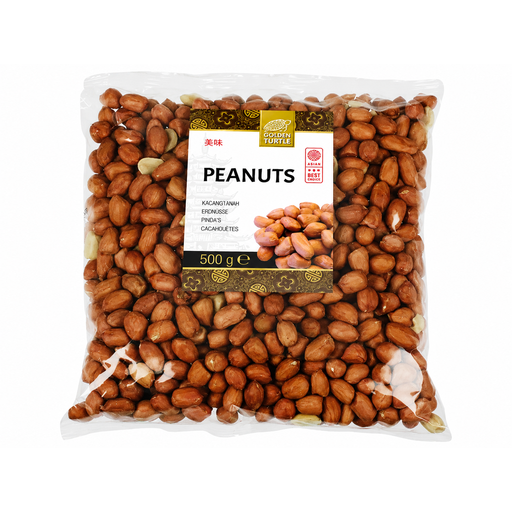
A good choice if you’re looking for 500 g of peanuts to share and don’t mind removing the shells yourself.
The peanuts are in their shells. The product information lists possible traces of nuts.
 No image available
A good choice if you want to roast 500 g of raw peanuts before your camping trip, ready to enjoy as a snack.
The peanuts are unroasted; the product description recommends roasting them for snacking.
 No image available
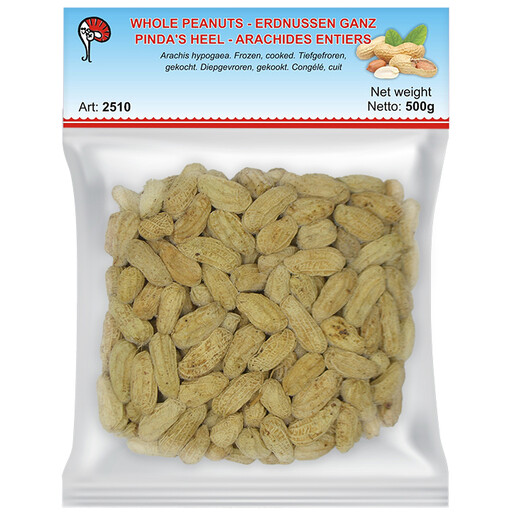
A good choice for sharing, provided you can arrange frozen transport and storage.
Keep frozen until you’re ready to use them. Once defrosted, store the product in the fridge and follow the stated use-by period.
Multiply the number of people by the number of snack breaks and the amount you want to take per person. Then compare the total with the pack size. According to bol, the Duyvis multipack listed contains 20 x 60 g, or 1,200 g in total; this is guidance for planning supplies, not nutritional advice.
Keep the peanuts dry and in a well-sealed container. The Voedingscentrum recommends storing them in a cool place at 10 to 15 °C; this is storage advice, not a legal temperature limit for every campsite. Follow the instructions on the pack too.
THT relates to quality, while TGT relates to safety. The Voedingscentrum explains the difference. A date label doesn’t replace the storage instructions on the pack.
No: unsalted doesn’t mean peanut-free. The Jumbo and PLUS varieties reviewed contain peanuts and also list other nuts as possible traces. Check the allergen information on the current packaging for everyone who’ll be eating them.
The PLUS pack reviewed warns that young children may choke on peanuts. Bear this warning in mind if children will be eating them; a large family pack doesn’t mean the product is suitable for them.