
Taking an organic breakfast
You’re looking for an organic peanut product for breakfast at the campsite and want to check that its organic status can be verified. Peanut butter is a spread for bread, not a substitute for whole peanuts to snack on.


First decide whether you want whole peanuts for snacking or peanut butter for breakfast, as these are different types of product. If you want to buy organic, check the organic label and certification details on the packaging: “100%” and “unsalted” do not mean the same as organic. Also compare the ingredients and allergen information, follow the storage instructions and check your festival’s rules on food and packaging.
You’re looking for an organic peanut product for breakfast at the campsite and want to check that its organic status can be verified. Peanut butter is a spread for bread, not a substitute for whole peanuts to snack on.
You want peanuts you can eat without preparing them, so you check the ingredients, pack size and how to reseal the packaging after opening.
You’re taking peanuts to share, so check the ingredients and allergen information on each pack. Organic peanuts still contain peanuts.
First choose the product type that suits your meal or snack. Then compare the organic labelling, ingredients, allergen information and packaging of the exact product.
| What to consider | What to check when buying | Who is this important for? |
|---|---|---|
| Organic certification | Check the organic logo, the code of the control body and the country-of-origin statement. | If buying certified organic is my priority for breakfast at the campsite, I look beyond “100%” or “natural”. Around 31% of consumers give organic certification top priority. |
| Snack or breakfast | Choose whole peanuts to eat straight away or peanut butter as a spread for bread; also check the pack size and storage instructions. | For an easy meal or snack at the campsite, I want a product that suits my plans and is easy to store properly. Around 25% of consumers prioritise convenience and storage. |
| Ingredients | Read the ingredients list for the exact product; “unsalted” does not automatically mean “peanuts only”. | If I want to know what else is in my snack or spread besides peanuts, I compare the ingredients. Around 19% of consumers make ingredients their top priority. |
| Allergens | Read the latest allergen information on the packaging, including when taking food for a group. | When sharing food, I want to check the allergen information before offering it to others. Around 13% of consumers prioritise this check; this figure says nothing about how common peanut allergies are. |
| Pack size and cost | Compare current prices per unit of weight and choose a pack size that suits how much you plan to use. | If I’m only planning a few meals or snacks, I don’t want to take more than I need or have lots left over. Around 12% of consumers give a suitable quantity and cost top priority. |
According to the European Commission, the EU organic logo and related labelling may only be used in line with the applicable organic certification rules. The NVWA explains that allergen information for prepacked products must be shown on the label. Follow the storage instructions on the packaging for peanuts; the Netherlands Nutrition Centre advises keeping unsalted peanuts in a cool, dark and dry place and sealing them tightly.
These terms answer different questions from organic certification. For example, a product can be unsalted and still contain ingredients other than peanuts.
Check both the organic labelling and the ingredients list for the exact product.
The organic whole peanuts from Albert Heijn that were reviewed are listed as discontinued. They are a different product type from Albert Heijn’s organic peanut butter.
Don’t treat the old snack listing as a current recommendation, or compare peanut butter as if it were whole peanuts for snacking.
The Duyvis and PLUS products reviewed also list sunflower oil.
If you want peanuts only, check the ingredients on the exact pack.
Peanuts need suitable storage conditions; a typical storage period is no guarantee that they’ll keep in a hot tent.
Follow the instructions on the packaging, seal it tightly after use and consider the conditions at the campsite.
AH Terra organic peanut butter is one breakfast option reviewed. The organic whole peanuts are listed as a past product in the range.
The organic peanut butter with peanut pieces is one option reviewed as a spread for bread.
The unsalted peanuts reviewed are a snack option and are also suggested for use in dishes.
The 300 g unsalted peanuts reviewed are a supermarket own-brand snack option.
The 100% smooth peanut butter reviewed is a breakfast option in a 600 g jar.
The HELAES range reviewed includes 100% smooth peanut butter and a version with pieces.
These products include peanut butter for breakfast and whole peanuts for snacking. If you want an organic option, check the certification on the exact pack; the product names below do not confirm it.
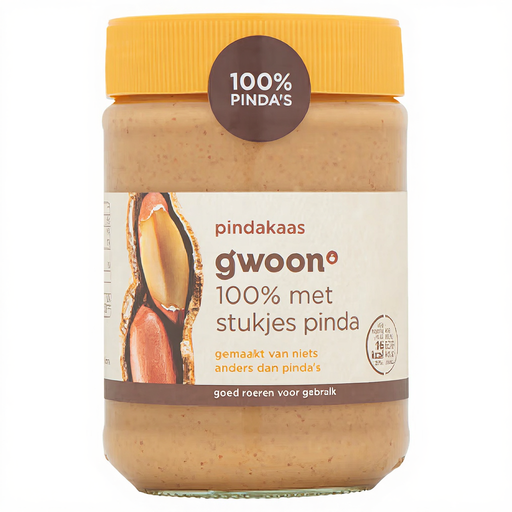 No image available
An option for peanut butter with pieces at breakfast on the campsite.
The product information lists 100% peanuts as the ingredient and suggests using it on bread, toast and in satay sauce.
 No image available
A smooth peanut butter option to spread on bread or toast at breakfast.
The product information lists peanuts as the only ingredient and suggests using it in cooking and baking. Stir before use.
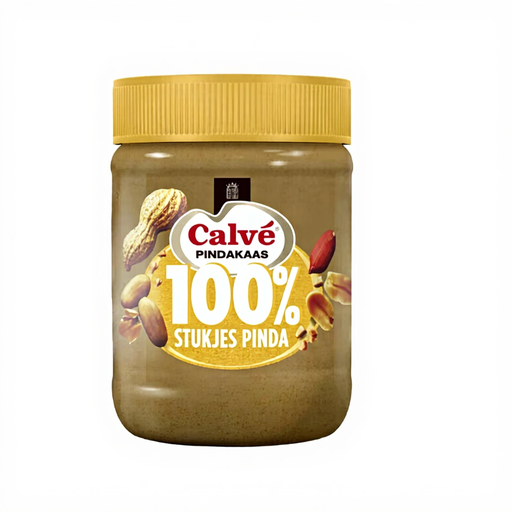 No image available
An option if you prefer a chunkier peanut butter on bread or toast.
The product information lists 100% peanuts and coarsely ground peanuts. Stir before use.
 No image available
An option if you want whole peanuts to snack on straight away.
The product title describes them as roasted and unsalted; the product information lists 100% peanuts as the ingredient.
 No image available
A snack option if you want to take peanuts in their shells.
The peanuts need to be shelled before eating.
The logo is required on prepacked EU food produced and sold as organic in the EU. For imported products that comply with organic import rules, the logo may be optional. Also check the control code and the statement of agricultural origin.
Follow the instructions on the packaging and store the peanuts in a cool, dark and dry place in a tightly sealed container. A storage period intended for a kitchen cupboard is no guarantee they’ll keep in a hot tent.
The AH Terra and Jumbo products reviewed should be stirred before use. After opening, follow the storage instructions on the exact pack.
Check the latest allergen information on the packaging and look out for warnings about the possible presence of other allergens. According to the NVWA, allergen information for prepacked products must be shown on the label.
Organic certification and roasting do not make a peanut product allergen-free. Peanuts remain the relevant allergen; Stichting Voedselallergie states that the allergen remains stable when heated.
Compare the current price per kilogram and consider how much you actually want to use. A larger pack does not in itself guarantee better value.