
Portion-conscious room snackers
You want to keep eating peanuts but decide for yourself how much you have. Compare the fat content per 100 g and think about how much you’ll eat; unsalted peanuts are not automatically low in fat.


If you want to snack on less fat, compare the fat content per 100 g and decide on a portion in advance. Unsalted peanuts, or peanuts roasted without added oil, are not automatically low in fat. The European Commission sets the threshold for a ‘low fat’ claim on solid foods at no more than 3 g of fat per 100 g, so check the nutrition table for the exact product.
You want to keep eating peanuts but decide for yourself how much you have. Compare the fat content per 100 g and think about how much you’ll eat; unsalted peanuts are not automatically low in fat.
You’re looking for peanuts without added salt. The Netherlands Nutrition Centre includes unsalted nuts in its Wheel of Five, but that doesn’t make them low in fat.
You compare pack sizes and want to store an opened bag properly. Follow the storage instructions on the packaging.
| What to consider | What to look for | Who is this most important for? |
|---|---|---|
| Fat and portion size | Compare the fat content per 100 g and decide how much you actually want to eat. | If I want to choose my snack portion mindfully, I look at both the nutritional values and my portion size. Around 36% of consumers prioritise managing their fat intake and portions. |
| Salt and sugar | Read the ingredients and nutritional information; ‘unsalted’ doesn’t automatically mean ‘made without oil’. | If I’m mainly watching my salt intake, I also want to know about the other ingredients and nutritional values in the flavoured variety. Around 29% of consumers prioritise ingredients such as salt and sugar. |
| Pack size | Check the net weight and choose an amount that suits how much you use. | If I’m planning my shopping for my room, I want a pack size that suits my needs. Around 21% of consumers focus mainly on packaging and planning their shopping. |
| Storage after opening | Check the storage instructions and whether you can seal the packaging properly. | If I use a bag more than once, I want to be able to store its contents in line with the label. Around 14% of consumers prioritise managing their supplies and checking shelf life. |
A description of the salt content says nothing by itself about the fat content; unsalted peanuts can also contain oil.
Compare the fat content per 100 g and read the ingredients separately from the salt information.
Roasting peanuts without added oil doesn’t make them fat-free. A sweet or savoury variety may also contain sugar or salt.
Compare nutritional values on the same basis and check the ingredients for the exact variety.
A pack may contain several portions. The net weight isn’t automatically a suitable amount for one snack.
Decide on your portion in advance and follow the storage instructions for the rest.
A larger supply needs enough storage space and should be sealed properly after use.
Worth comparing if you’re looking at unsalted peanuts alongside Oven Baked Peanuts Original.
The own-brand range includes unsalted peanuts in several pack sizes.
The own-brand range includes unsalted peanuts in a 250 g bag and a 500 g value pack, among other options.
Lidl’s product page describes a 285 g pack of unsalted peanuts.
ALDI Netherlands describes 250 g of roasted, unsalted peanuts sold under the TRADER JOE'S label.
The own-brand unsalted peanuts are sold in a 250 g bag.
This selection includes unsalted, roasted and flavoured peanuts. Compare the nutrition table for each variety and choose a pack size that suits how you’ll use it.
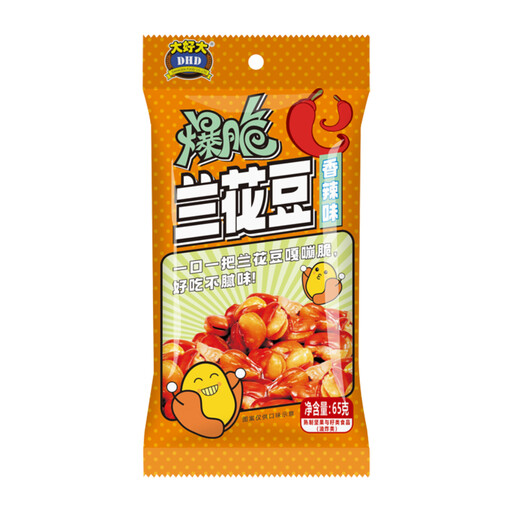 Image unavailable
The spicy flavour and 65 g pack make this a good option if you’re looking for a seasoned snack.
 Image unavailable
The unsalted variety is worth considering if you want to avoid added salt; the description lists 50 g of fat per 100 g.
The ingredients list 99% peanuts and sunflower oil. This isn’t a low-fat option.
 Image unavailable
The 500 g pack is a good fit if you’re looking for a larger supply; bear in mind that the peanuts are still in their shells.
The product description lists 49 g of fat and 0.12 g of salt per 100 g. This isn’t a low-fat option.
 Image unavailable
The product description says these peanuts are dry-roasted, made from 100% peanuts and contain no added salt.
The description lists 50 g of fat per 100 g. Dry-roasting doesn’t make this variety low in fat.
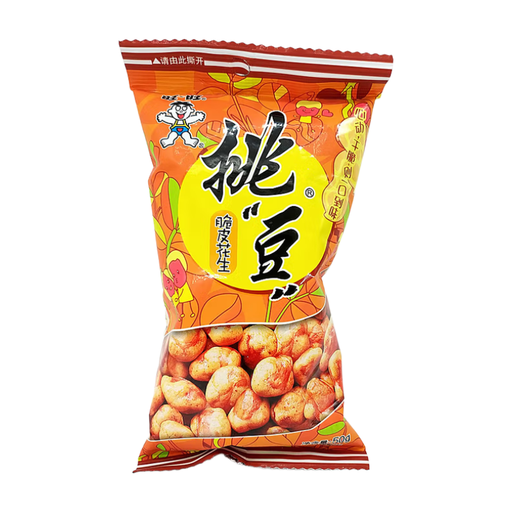 Image unavailable
The 50 g pack is a seasoned snack with a crispy coating; the description lists chilli and soy sauce.
Product information lists 38.3 g of fat and 0.80 g of salt per 100 g. According to the description, the coating contains ingredients including wheat, sugar and soya.
Compare the nutritional information with the threshold for a ‘low fat’ claim. According to the European Commission, solid foods must contain no more than 3 g of fat per 100 g; ‘unsalted’ and ‘oven-baked’ don’t replace this check.
No. ‘Unsalted’ refers to added salt, not oil. Check the ingredients list for the exact variety.
The products described are sold as roasted or dry-roasted. Follow the instructions on the packaging; Duyvis also describes its unsalted peanuts as a snack and as an ingredient for cooking.
Follow the label and seal the packaging properly. For Duyvis Unsalted, Jumbo recommends storing the peanuts in a cool, dry place and putting an opened bag in an airtight, light-proof container. Albert Heijn recommends storing its unsalted variety in a cool, dark, dry place.
Don’t eat the peanuts from the tub with a best-before date of 04-11-2026. Albert Heijn warns that they may contain metal fragments and says you can return this specific product for a refund. The warning doesn’t apply to other best-before dates.