
People who exercise and watch their fat intake
You want to know how much protein a typical portion provides, and you view peanuts as part of your overall diet rather than a proven recovery food.


Peanuts can make a measured contribution to your protein intake, but they are not automatically a low-fat source of protein. According to the Netherlands Nutrition Centre, a standard 25 g portion of unsalted peanuts provides 6.3 g of protein, 12.9 g of fat and 157 kcal. So compare the nutritional values per portion and consider your overall diet: unsalted tells you about the salt content, not the fat content.
You want to know how much protein a typical portion provides, and you view peanuts as part of your overall diet rather than a proven recovery food.
You want to keep eating peanuts while also considering how much fat and energy they contain. Measuring your portion and distinguishing between unsalted and low-fat are both important.
You compare supermarket varieties by salt, ingredients, pack size and allergen information. A larger pack or a different preparation method doesn’t prove that peanuts are a better fit for your dietary goal.
Start with the amount you actually eat and the nutritional values per portion. Then check the salt, ingredients and packaging.
| What to consider | What should you look for? | Who is this important for? |
|---|---|---|
| Protein per portion | Compare protein, fat and energy on the same basis, then work out the values for the portion you’ve weighed. According to the Netherlands Nutrition Centre, 25 g of unsalted peanuts contains 6.3 g of protein, 12.9 g of fat and 157 kcal. | If I want to eat peanuts around the time I exercise, I want to know what a realistic portion provides. Around 36% of consumers in this scenario say protein content is their main reason for buying. |
| Fat and energy | Check both values per 100 g and per weighed portion. Keep your own dietary goal in mind; don’t assume a variety is lower in fat based on its name. | When I want to keep track of my fat and energy intake, the amount I actually eat matters. Around 29% of consumers say this is their main reason for buying. |
| Salt and ingredients | Read the ingredients list alongside the nutrition table. Unsalted, roasted and made without oil don’t automatically describe the same product characteristic. | If I want to take salt or certain ingredients into account, I want to be able to check the packaging of the exact variety I’ve chosen. Around 21% of consumers say salt and ingredients are their main reason for buying. |
| Packaging and storage | Don’t treat the pack size as a portion. The Netherlands Nutrition Centre advises storing nuts in a tightly sealed container in a dry place, preferably somewhere cool. | When shopping, I want to choose a pack that suits how I use it and that I can store properly once opened. Around 14% of consumers say packaging and use are their main reason for buying. |
The Netherlands Nutrition Centre’s general reference for 25 g of unsalted peanuts contains 6.3 g of protein, but also 12.9 g of fat and 157 kcal.
Weigh the portion you plan to eat and calculate all the nutritional values for that amount.
Salt, preparation method and total fat are different characteristics. Flink lists Duyvis Unsalted Peanuts and Nuts 235 g as containing 52 g of fat per 100 g; the product description also lists sunflower oil.
Check both the ingredients list and the nutrition table. Don’t rely on the preparation method in the product name instead of checking this information.
A pack of, for example, 250 or 285 g contains more than the Netherlands Nutrition Centre’s reference portion of 25 g.
Put the portion you want to eat in a separate bowl and seal the rest well.
Albert Heijn’s warning of 20 May 2026 concerns AH Extra Large Salted Peanuts in a tub with a best-before date of 04-11-2026. The warning doesn’t automatically apply to other peanuts from the same brand.
For this exact product, check the best-before date and follow the warning instructions if it matches.
The brand offers several varieties, including unsalted, salted and roasted peanuts.
The range includes products such as AH Unsalted Peanuts.
The product page lists Jumbo Unsalted Peanuts, 250 g.
The Lidl product page lists 285 g of unsalted peanuts.
An ALDI product page lists Trader Joe’s roasted and unsalted peanuts, 250 g.
The product page lists PLUS Unsalted Peanuts, 250 g.
This selection includes different varieties of peanuts, including unsalted, flavoured and in-shell peanuts. For each product, compare the ingredients and nutritional information with the portion you plan to eat.
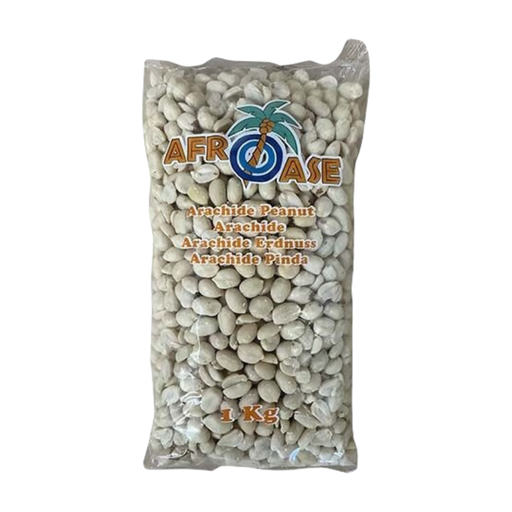 No image available
Check the nutrition table on this pack before including the peanuts in your portion calculations.
Contains peanuts; not suitable for anyone with a peanut allergy.
 No image available
This unsalted variety may suit shoppers who want to keep track of added salt; unsalted doesn’t mean low-fat.
The product description lists peanuts and sunflower oil and warns of possible traces of cashew nuts. Not suitable if you have a relevant allergy.
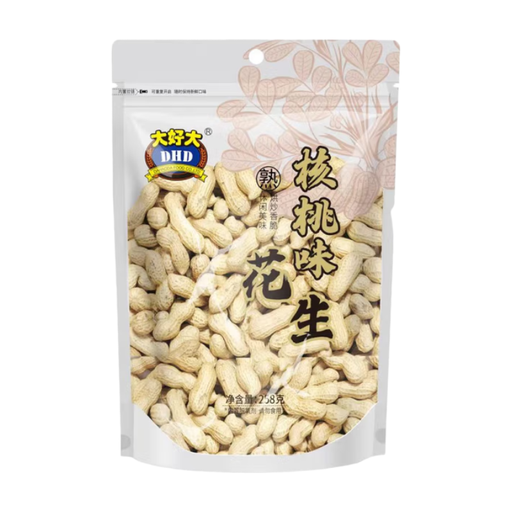 No image available
The walnut flavour sets this seasoned peanut snack apart; if you’re watching your fat intake, check the nutritional information per portion.
The product description lists sugar, salt and soya. Keep relevant allergies and your salt intake in mind.
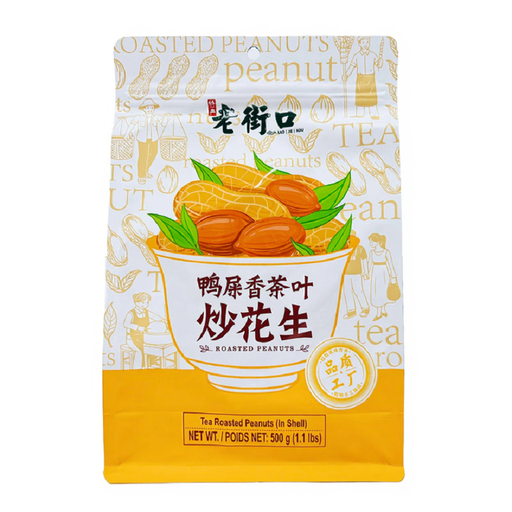 No image available
These tea-flavoured roasted peanuts are an option if you’re looking for that particular taste; compare the nutritional values with your intended portion.
The product description lists salt, sweetener and flavour enhancers. Keep relevant allergies and your salt intake in mind.
No image available
Choose this option if you’re looking for peanuts in their shells; remember that you’ll need to shell them before eating.
Contains peanuts; not suitable for anyone with a peanut allergy.
Weigh your portion and count its protein as part of your overall diet. According to the Netherlands Nutrition Centre, most people who exercise don’t need special protein shakes or bars if they eat a healthy, varied diet. So don’t present peanuts as a standalone recovery food.
No. Eating with your fat intake in mind is about how a portion fits into your overall diet; unsalted doesn’t mean a product is low in fat. Flink lists Duyvis Unsalted Peanuts and Nuts as containing 52 g of fat per 100 g, so check the nutritional values for the specific variety.
According to the Netherlands Food and Consumer Product Safety Authority, allergen information must be shown on the label of pre-packed foods. Check the packaging of the variety you’ve chosen, including any statements about possible traces.
Store nuts in a tightly sealed container in a dry place, preferably somewhere cool. The Netherlands Nutrition Centre gives 10 to 15 °C as an example; also follow the storage and best-before information on the packaging.
Don’t eat AH Extra Large Salted Peanuts in a tub with a best-before date of 04-11-2026. On 20 May 2026, Albert Heijn reported possible metal fragments and said that customers could get a refund by returning the product to an AH shop. According to the warning, other best-before dates for this product are not affected.