What should you look out for when choosing?
First, decide which substance you need to avoid, then check the exact variant. If you’re ordering snacks on a terrace, ask which product is actually being served.
| What to consider |
What to look for |
Who this matters most to |
| Avoiding peanuts and relevant nuts |
Check the ingredients and warnings for your allergen; a snack that doesn’t list peanuts as an ingredient is not automatically free from cross-contamination. |
If you need to avoid peanuts or certain nuts, assess any alternative snack carefully; around 31% of consumers prioritise avoiding peanuts and nuts. |
| Gluten and coatings |
Look for information about the exact variant and check whether the coating adds any ingredients. |
If you avoid gluten but can eat peanuts, you’ll also want to know what’s in coated bar snacks; around 25% of consumers prioritise avoiding gluten. |
| Milk allergy or limiting lactose |
Distinguish between milk proteins and lactose; check the ingredients and relevant warnings alongside the dietary information. |
If milk or lactose is your main concern, you’ll want the information that applies to your specific restriction; around 19% of consumers prioritise this assessment. |
| The product being served |
Ask which product and variant will be served and how the venue handles allergens. |
If you’re sharing food on a terrace, you’ll want to know what’s actually being served and what allergen information is available; around 25% of consumers prioritise confidence in the service. |
Joybuy products for this snack choice
This selection includes alternative snacks that don’t list peanuts as an ingredient, as well as products containing peanuts for those who can eat them. Ingredients lists and warnings vary by product, so check the packaging against your dietary needs.
 No image available
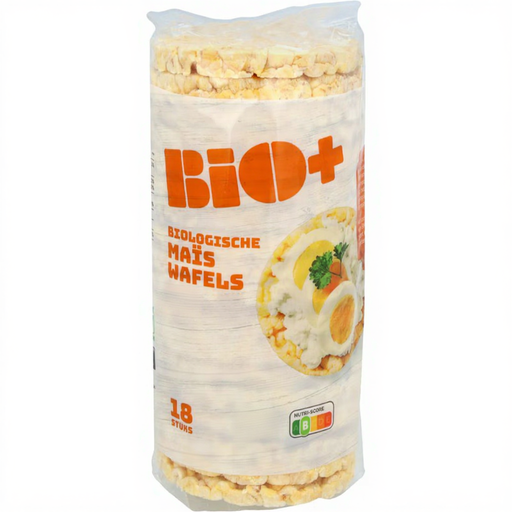
Bio+ Organic Corn Crackers Sea Salt, 18 pieces
An alternative snack if you’re looking for something other than peanuts; the product description lists maize and sea salt as ingredients.
The description says it may contain soya. Check the full packaging and allergen information for your circumstances.
View at Joybuy
 No image available
g’woon unsalted peanuts 250 g
A good fit for drinks with friends if you can eat peanuts and are looking for an unsalted option.
The product description lists 99% peanuts and sunflower oil; cashew nuts may be present. This product contains peanuts.
View at Joybuy
 No image available
g’woon peanuts in shell 500 g
A peanut snack for those who can eat peanuts and like to shell them themselves.
This product contains peanuts; remove the shells before eating.
View at Joybuy
 No image available
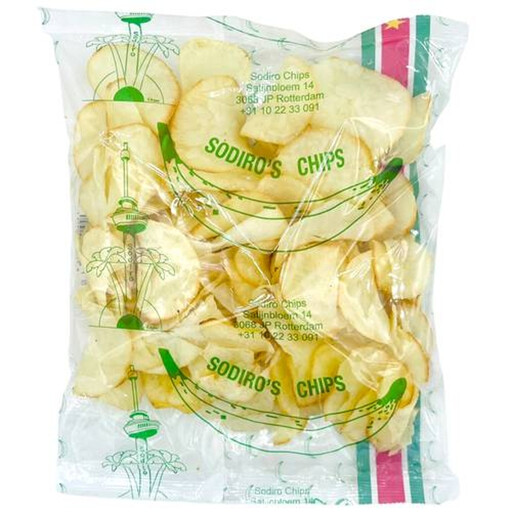
Sodiro Cassava Crisps 100 g
An alternative snack if you’re looking for something other than peanuts.
The product description lists cassava, soya oil, salt and garlic as ingredients and says it may contain traces of peanuts.
View at Joybuy
 No image available
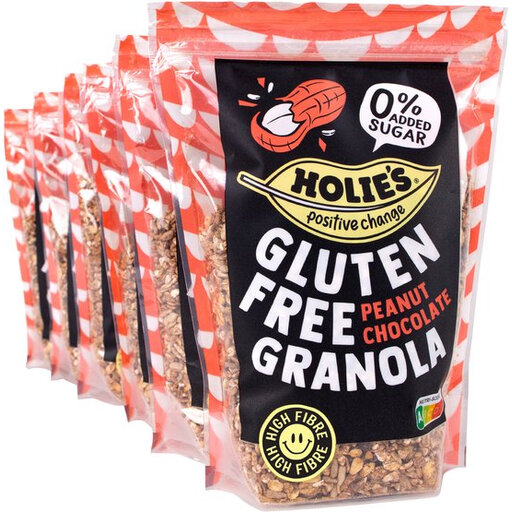
Holie’s Granola Glutenfree Peanut Chocolate, 6 × 330 g
The product name states glutenfree; only consider this option if you can eat peanuts.
The description lists peanuts as an ingredient and says it may contain traces of almonds, cashews, hazelnuts, pecans and soya. Check the packaging for full details.
View at Joybuy
Frequently asked questions
Are any peanuts suitable for someone with a peanut allergy?
No. Peanuts are an allergen in their own right. If you have a peanut allergy, choose a different type of snack and check its ingredients and relevant information about possible cross-contamination. Gluten-free or unsalted peanuts won’t avoid the problem.
Does a terrace venue have to provide information about allergens in a bowl of snacks?
Yes. The NVWA says allergen information must be available before purchase. For unpackaged products, this information can be provided in writing or verbally. If it’s given verbally, there must be a visible notice saying you can ask for it.
What do warnings such as ‘May contain peanuts’ mean?
This type of warning refers to the possible unintended presence of peanuts, and is separate from peanuts listed as an ingredient. According to the NVWA, rules on substantiating warnings on prepacked products have applied in the Netherlands since 1 January 2026.
Is lactose-free the same as suitable for someone with a milk allergy?
No. Lactose intolerance and milk allergy involve different substances. If you have a milk allergy, check the ingredients and relevant warnings; a lactose-free or vegan claim is not, by itself, an allergen declaration.
What can I do if the answers at the terrace venue aren’t clear?
Ask which product is being served and how the venue handles your allergy. The Food Allergy Foundation advises choosing somewhere else to eat if the answers don’t add up or you don’t feel comfortable with the conversation.


