
Mindful snacking around a bike ride
You want to keep eating peanuts while managing the energy in your snack. The weight of your portion and the nutrition information on the exact pack matter more than a product’s general healthy image.


If you want to reduce the energy you get from a peanut snack, start by weighing out a portion and checking the nutrition information on the exact pack; unsalted doesn’t mean low in calories. If you’re looking for fuel for a long or intense bike ride, consider your carbohydrate intake too: a small portion of peanuts provides very little. Portion size and timing can also affect how comfortable you feel eating just before cycling.
You want to keep eating peanuts while managing the energy in your snack. The weight of your portion and the nutrition information on the exact pack matter more than a product’s general healthy image.
You want to know how a peanut snack fits into a long or intense ride, without automatically treating a calorie-controlled portion as complete sports nutrition. The Netherlands Nutrition Centre stresses that athletes also need enough carbohydrates.
For example, you may be looking for an unsalted option and want to check the ingredients and potential allergens listed on the pack. Choosing a product for its salt content alone tells you nothing about its calorie content; peanuts aren’t suitable if you have a peanut allergy.
First compare the same quantity, then weigh your own portion. For four checked unsalted varieties, Jumbo lists 602 kcal per 100 g, Flink lists 614 kcal for Duyvis, Albert Heijn lists 620 kcal and PLUS lists 625 kcal. These figures apply to the varieties named, not automatically to other packs from the same brand.
| What to consider | What should you check? | Who is this important for? |
|---|---|---|
| Energy per portion | Compare kcal per 100 g and weigh the amount you eat. | If I want to manage the energy in my snack, I weigh my portion rather than relying on the word ‘unsalted’. Around 36% of consumers put energy per portion first. |
| Nutrition around your ride | Decide whether you’re looking for a snack or fuel for exercise; check the carbohydrates per portion and when you plan to eat it. | If I’m looking for food for a long or intense ride, I check the carbohydrates and how a portion might feel just before cycling. Around 29% of consumers prioritise food for their ride. |
| Ingredients and allergens | Read the ingredients and allergen information for the exact variety. | If I need a particular recipe, I check for added salt, oil and other nuts, among other things. Around 21% of consumers start with the ingredients and composition. |
| Portioning and storage | Check the pack weight and follow the storage advice on the pack. | If I want to use a bag more than once, I want to be able to portion it easily and store it properly. Around 14% of consumers prioritise practicality and reducing waste. |
Unsalted tells you about added salt, not energy. The unsalted varieties checked contain 602–625 kcal per 100 g.
Check the energy and portion weight separately. Don’t let a product’s appearance or salt claim take the place of its nutrition table.
A calculated 25 g portion of Duyvis Unsalted contains 2.75 g of carbohydrates. The Netherlands Nutrition Centre stresses that athletes need enough carbohydrates.
First decide whether you’re looking for a snack or fuel for exercise. Don’t assume that a smaller portion will automatically meet your needs before a ride.
Albert Heijn lists a 25 g portion; Jumbo also gives figures for 30 g. Different portion weights can skew a comparison.
First compare the figures per 100 g, then work out the values for the same quantity. Don’t assume figures for a specific variety apply to a different size or recipe.
The Netherlands Nutrition Centre advises storing nuts in a dry, tightly sealed container because they are susceptible to mould.
Seal the pack after portioning and follow the storage instructions on the pack.
The 235 g unsalted variety and 225 g Oven Baked Peanuts Original are prepared in different ways.
The specific 300 g pack of AH Unsalted Peanuts lists a 25 g portion.
Jumbo Unsalted Peanuts 250 g is a roasted variety with nutrition information per 100 g and per 30 g.
Lidl describes its 200 g roasted unsalted peanuts as a snack or an ingredient for cooking.
ALDI describes Trader Joe’s 250 g roasted unsalted peanuts.
PLUS Unsalted Peanuts 250 g has its own nutrition table and ingredients list.
This selection includes peanuts in a range of flavours and varieties. Compare the nutrition information per 100 g on the exact pack, then calculate the amount for your weighed portion.
 No image available
A good option if you’re looking for an unsalted peanut snack.
The product description lists 99% peanuts, sunflower oil and no added salt.
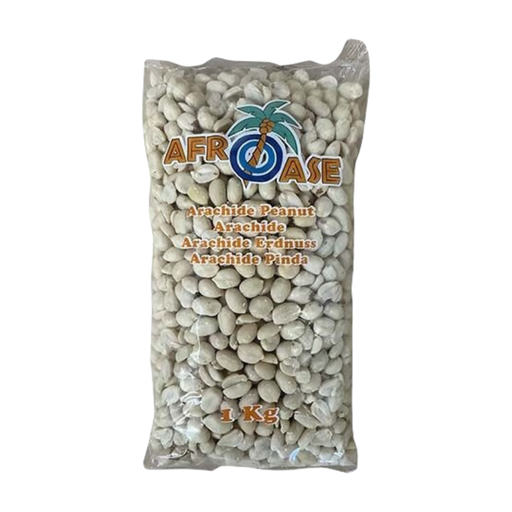 No image available
The title describes peanuts in a 1 kg pack.
Check the nutrition table and ingredients on the exact pack before choosing a portion.
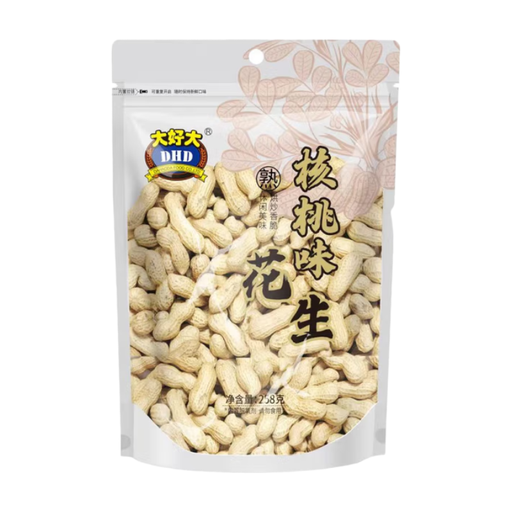 No image available
This variety has a walnut flavour, making it a different choice from unsalted peanuts.
The product information lists 2420 kJ per 100 g and ingredients including sugar and salt.
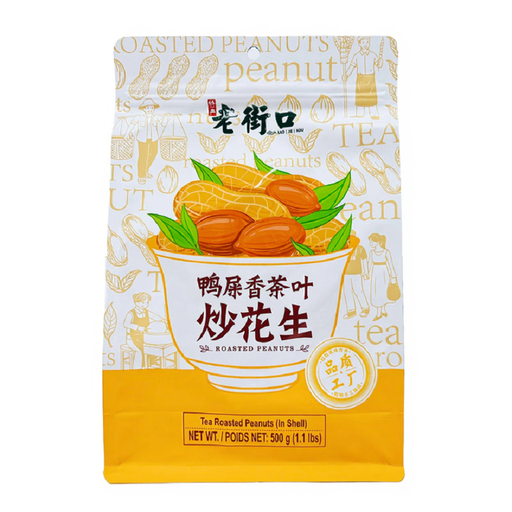 No image available
A roasted variety infused with tea, as described in the product title.
The product information lists salt, tea, flavouring and sweetener; this isn’t an unsalted variety.
 No image available
The product title specifies peanuts in shells; the description presents them as a snack.
The product description mentions possible traces of nuts. Check the allergen information on the pack.
No. A smaller portion reduces the energy in the amount you eat, but that doesn’t mean the product itself is low in calories. The Netherlands Nutrition Centre points out that nutrition claims must meet certain conditions, so compare the nutrition information and portion size.
A large portion or food high in fat, protein and fibre may feel less comfortable just before cycling. The Netherlands Nutrition Centre recommends having a meal around 2–3 hours before exercising. Choose the timing and amount based on what suits you.
First compare the nutrition information per 100 g, then calculate the energy for the same weighed portion. For the unsalted variety named, Albert Heijn lists a 25 g portion; Jumbo also shows figures for 30 g. Use the information only for the exact pack.
Check the ingredients and allergen information on the exact pack. According to the Netherlands Food and Consumer Product Safety Authority, allergens must be clearly identifiable in the ingredients list. The PLUS bag mentioned lists possible cashew nuts; a warning about possible presence isn’t the same as an ingredient that has actually been added.
Store peanuts in a dry, tightly sealed container. The Netherlands Nutrition Centre advises sealing nuts well and keeping them dry; also follow the storage and best-before instructions on your pack.
Don’t eat this specific recalled variety. On 20 May 2026, Albert Heijn reported that AH Extra Large Salted Peanuts with a best-before date of 04-11-2026 might contain metal fragments and said customers could return the pack to an AH shop for a refund. This warning doesn’t automatically apply to other AH peanuts or to the same variety with a different best-before date.