
You need to avoid peanuts
Looking for something to enjoy with your morning coffee, but have a peanut allergy? Don’t choose peanuts. This option is about finding a replacement snack; check its ingredients and allergen warnings too.


If you have a peanut allergy, peanuts are not an option: choose a snack without peanuts, and check its ingredients and allergen warnings too. If you can eat peanuts, first decide which specific ingredient you want to avoid, then compare unsalted options with seasoned or coated varieties. None of these product characteristics, on their own, proves that a product is allergen-free.
Looking for something to enjoy with your morning coffee, but have a peanut allergy? Don’t choose peanuts. This option is about finding a replacement snack; check its ingredients and allergen warnings too.
If you can eat peanuts but want to avoid gluten, for example, check the information for the exact variety you’re buying. A claim about one characteristic doesn’t automatically answer questions about other allergens.
If you can eat peanuts and are mainly looking for an unsalted snack, compare the exact variety and packaging. Unsalted doesn’t mean allergen-free.
Choose this option: if you need to avoid peanuts because of a peanut allergy.
Keep in mind: a replacement snack isn’t automatically suitable for other allergies; check the relevant ingredients and allergen warnings.
Choose this option: if you can eat peanuts but want to avoid gluten, for example. The Dutch Coeliac Society recommends looking for a gluten-free claim or an appropriate certification mark.
Keep in mind: a gluten-free claim doesn’t mean a product is free from peanuts or other allergens.
Choose this option: if you can eat peanuts and are mainly looking for an unsalted variety to enjoy with your coffee.
Keep in mind: unsalted is a taste or nutritional choice, not an allergen claim.
Choose this option: if flavour or texture is your priority and the ingredients suit what you want to avoid.
Keep in mind: a coating adds ingredients. The product listing for Duyvis Borrelnootjes Provencale 1 kg mentions cereals containing gluten; that information doesn’t automatically apply to other varieties.
| What to consider | What should you check? | Who is this important for? |
|---|---|---|
| The allergen you need to avoid | First, identify the ingredient you want to avoid and check the ingredients and allergen warnings for the exact variety. If you have a peanut allergy, choose a snack without peanuts. | If peanuts aren’t an option for you, your snack must meet that requirement; around 36% of consumers prioritise avoiding peanuts. |
| A specific free-from claim | Check the exact dietary claim, ingredients and allergen warnings. Reassess any other flavour, coating or pack size. | If you can eat peanuts but want to avoid gluten, for example, look for evidence of that specific exclusion; around 28% of consumers prioritise a different specific dietary exclusion. |
| Choosing unsalted | Compare the exact variety and nutritional information, and also check any allergen information relevant to you. | If you can eat peanuts and mainly want an unsalted option, that product feature is what matters most; around 22% of consumers make unsalted their top priority when choosing. |
| Packaging and use | Compare the net weight, type of packaging and storage advice for the variety you choose. A pack isn’t automatically a single serving. | If the snack is for a regular coffee break, convenience matters alongside dietary suitability; around 14% of consumers prioritise packaging and repeated use. |
A product can make a claim about one specific characteristic without saying anything about other allergens. Peanuts are an allergen in their own right.
First, be clear about exactly what you need to avoid, then check the product against that requirement. If you have a peanut allergy, don’t choose peanuts.
A coating adds ingredients. The product listing for Duyvis Borrelnootjes Provencale 1 kg mentions cereals containing gluten; you shouldn’t assume that information applies to other flavours or packs.
Read the ingredients for the exact flavour and pack you’re planning to buy.
Albert Heijn and PLUS warn that product and allergen information can change.
Check the packaging when you buy the product again. If the information conflicts, ask the retailer for clarification.
Duyvis describes both unsalted peanuts and varieties with a marinade or crispy coating.
Albert Heijn lists AH Ongezouten pinda’s as an own-brand option.
Jumbo lists Pinda’s Ongezouten in a 250 g pack.
Lidl Netherlands lists unsalted peanuts in a 285 g pack.
ALDI lists Trader Joe’s roasted, unsalted peanuts, 250 g.
PLUS lists unsalted peanuts in a 250 g bag.
The products below include unsalted and flavoured peanuts, peanuts in their shells and peanut granola. The product type or a specific product listing doesn’t confirm that a variety is suitable for your allergy or diet; check the information on the exact pack.
 No image available
A good fit if you can eat peanuts and prefer an unsalted variety for your coffee break.
The description lists 99% peanuts and sunflower oil. Contains peanuts and may contain traces of cashew nuts.
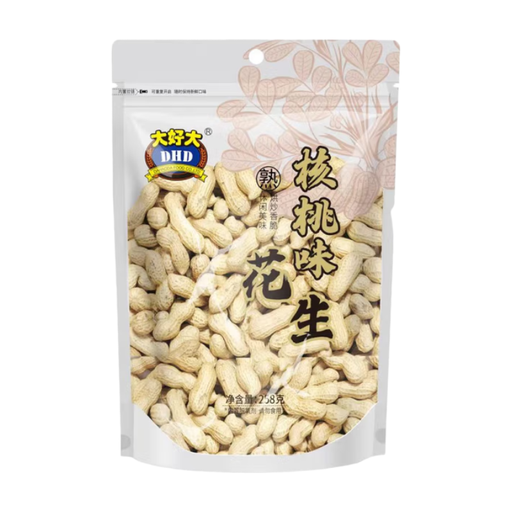 No image available
This flavoured variety could suit you if you can eat peanuts and fancy a different taste for your snack break.
The description lists sugar, salt, soya lecithin and walnut flavouring. Contains peanuts and soya.
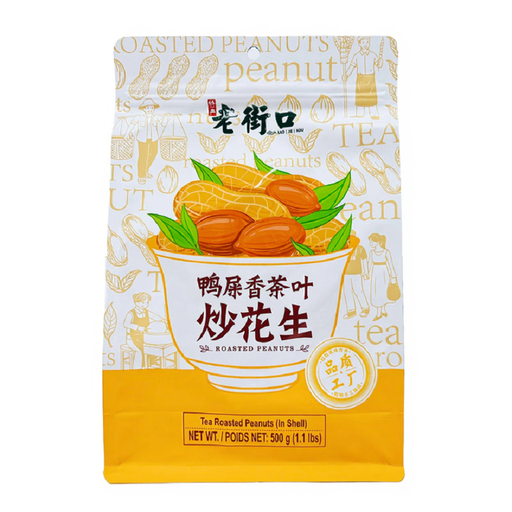 No image available
A flavoured option if you can eat peanuts and fancy roasted peanuts with a tea flavour.
The description lists salt and tea, flavourings and sweetener. Contains peanuts and salt.
 No image available
A good fit if you can eat peanuts and fancy snacking on peanuts in their shells.
The product name and description specify peanuts in their shells and a 500 g pack. May contain traces of other nuts.
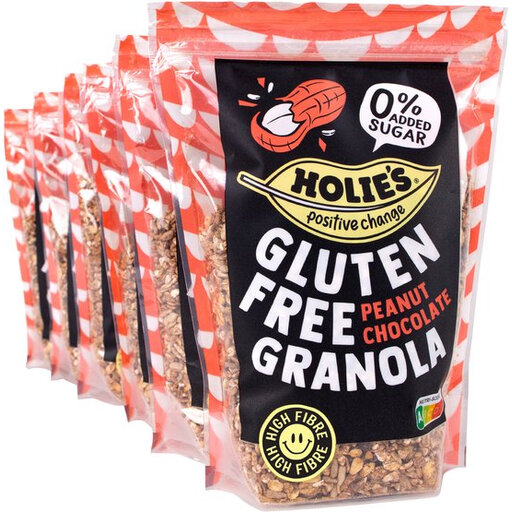 No image available
This granola is worth considering if you can eat peanuts and are looking for a product with a specific gluten claim.
The product name includes ‘Glutenfree’. The description lists peanuts and oats and mentions possible traces of almond, cashew, hazelnut, pecan and soya. Check the exact packaging against any dietary exclusions that apply to you.
No. Peanuts are an allergen in their own right; ‘unsalted’ describes a different product feature. Stichting Voedselallergie also states that the peanut allergen remains stable when heated.
The Dutch Coeliac Society recommends looking for the words ‘gluten-free’, a gluten-free logo or the Crossed Grain certification mark. Check the information on the exact pack and assess any other dietary exclusions separately.
No. According to Stichting Voedselallergie, the peanut allergen remains stable when heated. Roasting therefore doesn’t make peanuts suitable for someone with a peanut allergy.
According to the NVWA, information must be provided about the 14 allergens on the EU list in Regulation 1169/2011, for both prepacked and non-prepacked foods. This information requirement doesn’t amount to a general allergen-free guarantee.
Yes. The rules on how and when food businesses must warn about allergens that may accidentally get into food have applied since 1 January 2026. The NVWA has been monitoring compliance since 2026.