
Regular coffee-break sharers
You want one bag to last for several coffee breaks, so you’re mainly comparing the quantity and price per kilo. Dutch retailers stock unsalted multipacks weighing 500 g, including at Jumbo and PLUS.


First compare the price per kilo of the same type of peanuts, then choose an amount you’ll actually use. A larger bag may suit you if you regularly share, while occasional snackers may be better off with a smaller amount and careful storage. The Netherlands Nutrition Centre recommends unsalted nuts, so be sure to compare the exact variety too.
You want one bag to last for several coffee breaks, so you’re mainly comparing the quantity and price per kilo. Dutch retailers stock unsalted multipacks weighing 500 g, including at Jumbo and PLUS.
You check the exact variety and want to choose an unsalted snack. The Netherlands Nutrition Centre recommends unsalted nuts, and Duyvis also lists an unsalted peanut variety.
You don’t eat peanuts often and want to choose a pack size that suits how much you’ll use. Smaller bags are an option; once opened, peanuts need to be stored carefully.
First choose the flavour and type of product you want. Then compare the price per kilo of the same variety and choose a pack size that suits how often you eat peanuts.
| What to consider | What to look for | Who is this most important for? |
|---|---|---|
| Value per kilo | Compare the price per kilo of the same variety and check the net weight. Jumbo listed different prices per kilo for 500 g and 250 g packs on its range page. | If I mainly want to know what I’m paying per kilo, I compare the same type and look beyond the price of the bag. Around 31% of consumers prioritise the price per kilo. |
| Unsalted variety | Check the product name and ingredients on the exact pack; unsalted isn’t the same as seasoned. The Netherlands Nutrition Centre recommends unsalted nuts. | I’m looking for an unsalted snack and don’t want to rely on the brand name alone. Around 25% of consumers prioritise an unsalted product. |
| Quantity and storage | Choose a pack size that suits how often you eat peanuts. The Netherlands Nutrition Centre recommends storing opened unsalted peanuts in a tightly sealed container in a cool, dark and dry place. | I want to finish a bag in good time and store it properly once opened. Around 19% of consumers focus mainly on quantity and storage. |
| Flavour | Compare the ingredients of the exact variety. Duyvis lists peanuts, sunflower oil and salt among the ingredients of its salted peanuts; this doesn’t necessarily apply to other varieties. | If I prefer a salted or seasoned flavour, I choose a variety I’ll enjoy eating. Around 13% of consumers prioritise flavour. |
| Who else will be eating them | Check the allergen information on the pack. The Netherlands Nutrition Centre advises against giving whole peanuts to children under 4. | I want to know in advance whether the peanuts are suitable for everyone sharing them, especially if young children are involved. Around 12% of consumers prioritise suitability for others. |
When pack sizes differ, the price of the bag alone doesn’t tell you how much you’re paying per kilo.
Compare the price per kilo of the same peanut variety and check the net weight.
A larger bag is only practical if you’ll finish it and can store it properly once opened.
Choose a pack size based on how often you eat peanuts. Store opened unsalted peanuts in a tightly sealed container in a cool, dark and dry place, as recommended by the Netherlands Nutrition Centre.
You may need a tightly sealed container to store an opened pack.
Salted, unsalted and seasoned peanuts differ in variety and ingredients. For example, Duyvis lists peanuts, sunflower oil and salt in its salted variety.
Read the product name and ingredients on the pack you’re buying; don’t assume the ingredients of one variety apply to the whole brand.
Peanuts are an allergen and must be listed on prepacked products. The Netherlands Nutrition Centre advises against giving whole peanuts or nuts to children under 4.
Read the allergen information and consider who else will be eating them. Don’t give whole peanuts to children under 4.
Duyvis lists salted and unsalted peanuts in a range of pack sizes.
Albert Heijn lists AH Unsalted Peanuts and AH Peanuts in Shell.
The own-brand range lists salted and unsalted peanuts, including bulk packs.
Lidl Netherlands lists unsalted peanuts in a 285 g pack.
ALDI lists TRADER JOE’S roasted and salted peanuts in a 500 g pack.
PLUS lists unsalted peanuts in a 500 g bag.
This selection includes peanuts in a range of flavours and formats, from a smaller unsalted pack to 500 g bags.
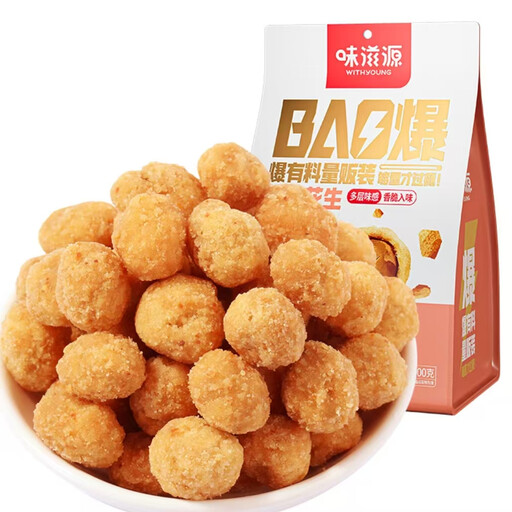 No image available
A coated flavour variety in a 500 g pack, for anyone looking to share peanuts and try a seasoned option.
The product description lists 33% peanuts and a coating containing ingredients including wheat flour; wheat and gluten are listed as allergens.
 No image available
A 500 g pack of peanuts in shell for anyone who wants to make shelling them part of their coffee break.
The weight of peanuts in shell isn’t directly comparable with the same weight of shelled peanuts. Seal the pack well after opening.
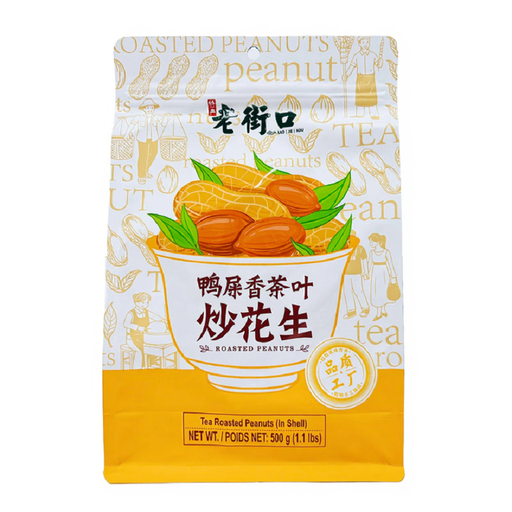 No image available
A roasted, tea-flavoured variety in a 500 g pack for anyone looking for something a little different with their coffee.
The product description lists 96% peanuts, salt, tea and flavourings. These aren’t plain peanuts.
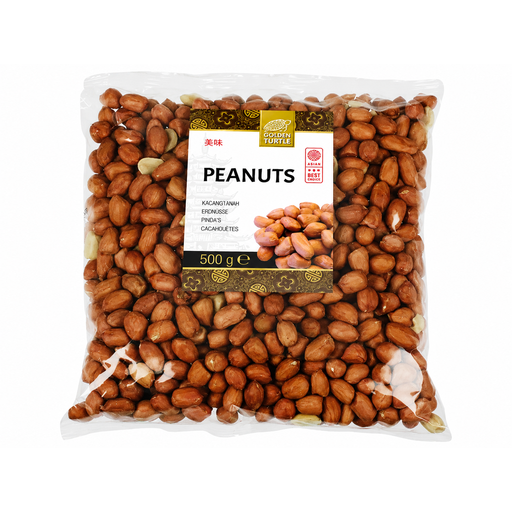 No image available
A 500 g pack of raw peanuts with their skins on, for anyone who wants to prepare their own snack.
According to the product description, the peanuts should be roasted and seasoned before being eaten as a snack; they aren’t a ready-to-eat roasted snack.
 No image available
A smaller 250 g pack for anyone looking for unsalted peanuts and wanting to buy less at a time.
The product information lists 99% peanuts and sunflower oil. This pack contains less than a 500 g pack.
If you allow 25 g per portion, 500 g makes 20 portions. If two people have one portion each, that’s enough for 10 breaks. This is an example calculation, not a portion recommendation for everyone.
Store opened unsalted peanuts in a tightly sealed container in a cool, dark and dry place, as recommended by the Netherlands Nutrition Centre. Follow the use-by or best-before date and storage advice on the packaging. Peanuts that taste rancid, feel chewy or have mould on them may have deteriorated or spoiled.
Peanuts are an allergen that must be listed on the label of prepacked products, according to the Netherlands Food and Consumer Product Safety Authority. Check the current packaging, even if you’re sharing the product with others.
No. The Netherlands Nutrition Centre advises against giving whole peanuts or nuts to children under 4 because of the risk of choking. Bear this in mind if young children will be eating with you.
Not without conditions. The Netherlands Authority for Consumers and Markets generally describes a 14-day cooling-off period for online purchases and notes that there are legal exceptions, including products that spoil quickly. This doesn’t automatically mean every long-life bag of peanuts falls under that exception; check the terms and conditions that apply to your purchase.