What should you look for when buying?
First check whether peanuts, and the form you want to serve, are suitable for your guests’ ages and any allergy arrangements. Then compare nutritional values per 100 g and plan how much you actually want to serve.
| What to consider |
What to look for |
Who this is relevant for |
| Portion and energy |
Compare kcal per 100 g and weigh out the planned amount separately. |
If I want to serve peanuts without treating an adult portion as advice for children, I look at the nutritional values as well as what I actually put out. Around 34% of consumers say portion size and energy are their main buying considerations. |
| Age and allergies |
Ask about allergy arrangements and choose a suitable form; do not give whole peanuts to children under 4. |
If there are young guests or allergy arrangements to consider, I want to know whether peanuts and their form are suitable before I buy them. Around 33% of consumers prioritise age-related safety or allergy arrangements. |
| Ingredients |
Read both the ingredients list and the nutritional information for the exact variant. |
If I’m looking for an unsalted variant, I also want to know what else it contains and be able to compare nutritional values. Around 20% of consumers are mainly looking for clear information about ingredients. |
| Packaging and storage |
Choose a net weight that suits your serving plan, check where you’re buying it and follow the storage instructions. |
If I want to plan how much to buy for the party, I look at the pack size and how to store an opened pack. Around 13% of consumers give the highest priority to convenience when buying and planning packaging. |
Joybuy products
These Joybuy products include unsalted peanuts, peanut butter and peanuts in their shells. Check the ingredients, allergen information and nutritional values for each product; the form and amount should suit your guests and serving plan.
 No image available
g’woon unsalted peanuts, 250 g
This unsalted variant may be suitable if you want to measure out whole peanuts for guests who can safely eat them in this form.
The product information lists 99% peanuts, sunflower oil and 0.02 g of salt. It also states that the product may contain traces of cashew nuts; take this into account when considering allergy arrangements.
View at Joybuy
 No image available
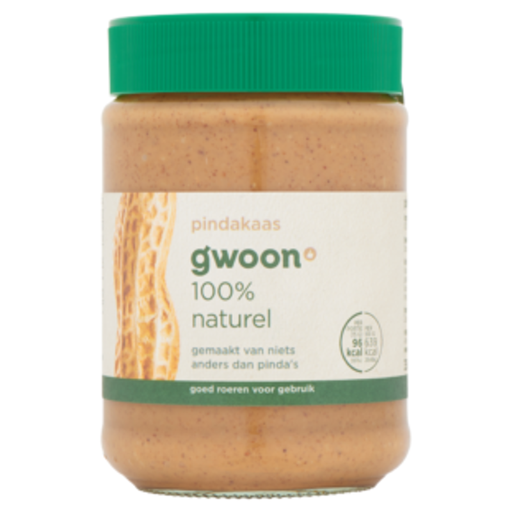
g’woon 100% natural peanut butter, 350 g
This peanut butter is another format to consider if it suits the way you plan to serve it and your guests can eat peanuts.
The product information lists 100% peanuts and possible traces of nuts. The available nutritional information gives 639 kcal and 53 g of fat without specifying a weight basis, so don’t compare these values with figures per 100 g.
View at Joybuy
 No image available
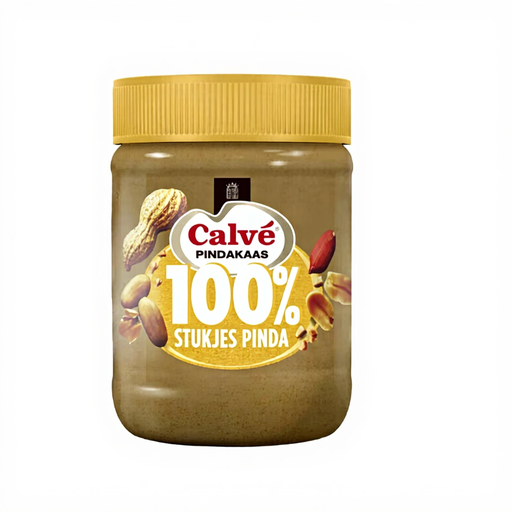
Calvé Peanut Butter Nut 100%, 350 g
The product description says the peanuts are coarsely ground; only consider this format if it suits your guests and the way you plan to serve it.
The product information lists 100% peanuts and 0 g of salt. The product is not suitable for people with a peanut allergy and, according to the description, is made in an environment where various tree nuts are also processed.
View at Joybuy
 No image available
g’woon peanuts in their shells, 500 g
These whole peanuts in their shells need to be considered separately in light of your guests’ ages and the way you plan to serve them.
The product information lists 0.12 g of salt and possible traces of nuts. As advised by the Netherlands Nutrition Centre, do not give whole peanuts to children under 4.
View at Joybuy
 No image available
Verse extra large roasted peanuts, 210 g
The product description says these are roasted peanuts, so they can be included when comparing energy per 100 g.
The description lists 626 kcal per 100 g and 100% peanuts. Check the ingredients and allergen information on the pack, and plan the serving amount separately.
View at Joybuy
Frequently asked questions
How many peanuts should I set out for each child?
There is no fixed portion for children established here. Energy needs differ from child to child. Use the nutritional values to work out the figures for a planned amount, but don’t treat the example of a 25 g handful as a recommendation for every guest.
Can I call a small portion of peanuts low-calorie?
A smaller portion does not make the product itself low-calorie. According to the European Commission, the claim ‘low energy’ for solid foods applies only when they contain no more than 40 kcal (170 kJ) per 100 g; the AH and Jumbo peanuts reviewed list 620 and 602 kcal per 100 g respectively. Describe a smaller amount as a portion choice, not as a low-calorie product characteristic.
What should I do if there are allergy arrangements or young guests?
Ask parents in advance which products and ways of preparing them are suitable for their child’s allergy arrangements. Check both the ingredients and any warnings on the current label; according to the Netherlands Nutrition Centre, do not give whole peanuts to children under 4.
How should I store an opened pack of peanuts?
Follow the instructions on the specific pack. For AH Unsalted Peanuts 300 g, Albert Heijn advises storing them in a cool, dark and dry place and closing the pack securely after use. Don’t automatically assume this storage advice applies to every variant.
Does the AH recall apply to all peanuts?
No. Albert Heijn’s warning of 20 May 2026 concerns AH Extra Large Salted Peanuts in a tub with a best-before date of 4 November 2026. Do not eat a pack covered by the warning, and follow Albert Heijn’s instructions. The warning does not apply to all peanuts from the brand.


