
Campers who want to weigh their portions
You want to keep eating peanuts, but pay attention to how much you have at each snack. Compare the energy per 100 g and weigh your portion, so you don’t confuse ‘unsalted’ with ‘low in energy’.


If you want to reduce the energy in each snack, weigh your portion first and compare peanuts per 100 g: the five varieties compared contain 564–625 kcal per 100 g, so they are not low in energy. Jumbo Dry Roasted has the lowest declared energy value in this selection, but contains salt, wheat and gluten. Choose an unsalted variety if reducing salt is more important, and store your supply in a tightly sealed container, somewhere dry and as cool as possible.
You want to keep eating peanuts, but pay attention to how much you have at each snack. Compare the energy per 100 g and weigh your portion, so you don’t confuse ‘unsalted’ with ‘low in energy’.
You mainly choose an unsalted variety. Also check the ingredients and allergen information: a variety with a lower declared energy value may be salted or contain other ingredients.
You’re taking peanuts for several days and want to bring the right amount and store them properly. Match the pack size to your planned portions and seal your supply securely after use; the Netherlands Nutrition Centre advises storing nuts in a dry, tightly sealed container.
First compare the nutritional values per 100 g, then decide how much you want to weigh out for each snack. Next, check whether the salt, ingredients and packaging suit the way you’ll use them on your camping trip.
| What to consider | What to look for | Who is this important for? |
|---|---|---|
| Energy per portion | Compare kcal per 100 g and weigh out the amount you want to eat. | If I want to take peanuts with me but manage the energy in each snack, I weigh out my portion rather than eating straight from the bag. Around 42% of consumers prioritise portion size and energy per snack. |
| Salt and ingredients | Check the salt, ingredients and allergen information on the packaging. | If I want less salt or need to avoid an allergen, I look beyond the kcal figure alone. Around 33% of consumers base their choice mainly on the ingredients. |
| Packaging and storage | Check the net weight, whether the pack can be resealed and the storage instructions. | If I want to spread my peanuts over several days of camping, I choose a bag that suits my planned snacks and can be sealed securely after opening. Around 25% of consumers say that portability, portioning and storage are the main deciding factors. |
These labels refer to something other than the energy content. The European Commission and the NVWA state that the ‘low energy’ nutrition claim for solid foods has a limit of 40 kcal (170 kJ) per 100 g. The peanuts compared here are well above that.
Check the energy per 100 g separately from the salt, preparation method and any nutrition scores.
Jumbo Dry Roasted lists 564 kcal and 1,80 g of salt per 100 g, and contains wheat and gluten. A lower energy value doesn’t automatically make a variety suitable if you want less salt or need to avoid an ingredient.
First decide whether energy, salt or an allergen restriction matters most to you, then read the ingredients and allergen information.
A bag contains several snack portions. For example, the 250 g AH pack lists portions of 25 g; the total pack size is not the same as one weighed portion.
Plan how many grams you want to eat at each snack and, if needed, portion out your supply in advance.
The Netherlands Nutrition Centre advises storing nuts in a dry, tightly sealed container. Damp can affect their quality, so a warm or humid tent isn’t a suitable place to store them.
Follow the storage instructions on the packaging and choose a dry spot that’s as cool as possible. Seal your supply securely after each use.
Offers unsalted peanuts and an Oven Baked product range, for those who pay attention to factors such as salt or preparation method.
The AH Ongezouten peanuts reviewed come in a 250 g bag that you can portion out yourself.
The varieties reviewed include unsalted peanuts and seasoned Dry Roasted peanuts.
The Dutch product page describes a 200 g variety of roasted, unsalted peanuts for snacking or cooking.
The official Dutch product page describes 250 g of TRADER JOE’S roasted, unsalted peanuts.
The 250 g bag of unsalted peanuts reviewed is designed for portioning out yourself.
This selection of Joybuy products includes unsalted and seasoned peanuts, as well as varieties for different snacking occasions. Compare the nutritional information on the packaging and weigh out an amount that suits your choice.
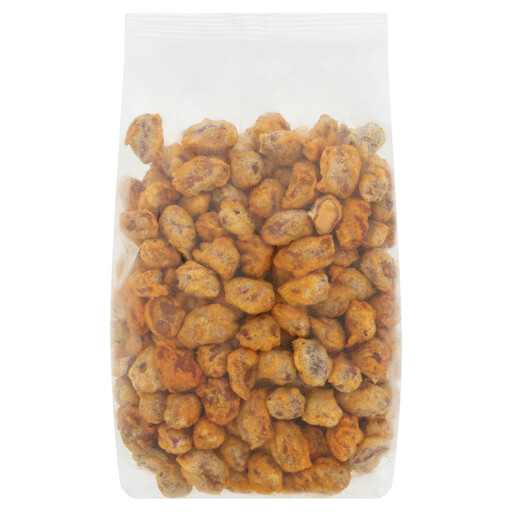 No image available
A good choice if you’re looking for seasoned, spicy peanuts to enjoy over several snacks; the product information lists a 220 g pack.
The ingredients include peanuts, wheat flour and salt. Check the nutritional information and allergens on the packaging.
Once opened, store in a cool, dry place and seal the pack securely.
 No image available
A good choice if you’re looking for unsalted peanuts and want to spread your supply over several snacks; the pack contains 250 g.
The ingredients list 99% peanuts and sunflower oil. The product information may mention cashew nuts; check the packaging if this is important to you.
Once opened, seal securely and store in a cool, dry place.
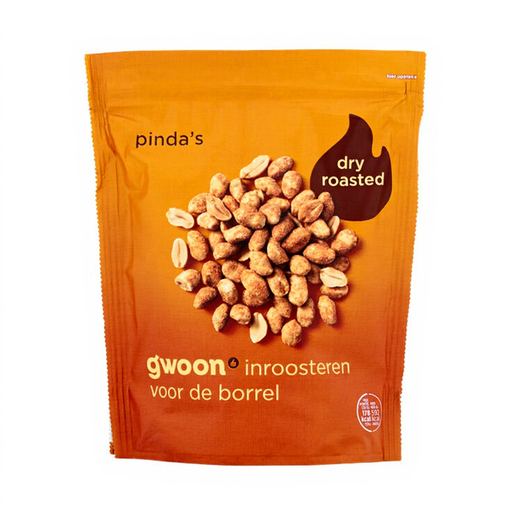 No image available
A good choice if you’re looking for dry-roasted peanuts to enjoy over several snacks; the product information lists a resealable 200 g bag.
The ingredients include salt and spices. Check the nutritional information and allergens on the packaging.
Once opened, store in a cool, dry place and seal the pack securely.
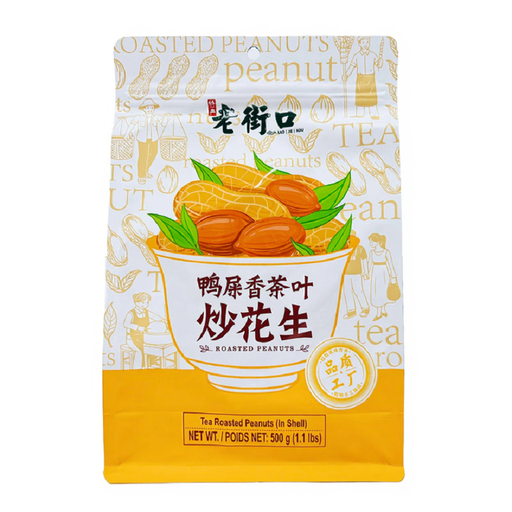 No image available
A good choice if you’re looking for roasted peanuts with a tea aroma and planning supplies for several snacks; the pack contains 500 g.
The ingredients list salt. Check the nutritional information and allergens on the packaging.
The product information recommends storing in a cool, dry place.
 No image available
A good choice if you’re looking for peanuts in their shells and want to spread your supply over several snacks; the pack contains 500 g.
The product information states that it may contain traces of nuts. Check the packaging if this is important to you.
Once opened, seal securely and store in a cool, dry place.
Not necessarily: the five varieties compared contain 564–625 kcal per 100 g. According to the European Commission, the ‘low energy’ claim for solid foods has a limit of 40 kcal (170 kJ) per 100 g.
First compare per 100 g, then calculate the values for the same weighed amount. AH lists a 25 g portion, while the Jumbo Ongezouten and Duyvis Ongezouten pages reviewed use 30 g. Nutritional values are average declarations, not measurements of every individual portion.
Seal the pack securely or use an airtight container, and store the peanuts somewhere dry and as cool as possible. The Netherlands Nutrition Centre gives 10–15 °C as an example of cool storage. Also follow the product label; general storage advice can’t guarantee that a warm or damp tent is suitable.
Before buying, read the ingredients, any allergens highlighted on the pack and any warnings about cross-contamination. Peanuts are an allergen that must be listed; seasoned varieties may also contain wheat. Don’t rely on warnings about accidental presence instead of checking the ingredients list.
Take care: whole peanuts can cause young children to choke. The Netherlands Nutrition Centre warns against giving small children whole nuts and peanuts. Don’t assume that a snack suitable for adults is also suitable for young children.