
Less fat per snack
You want to compare fat levels on the same basis and find out which product is behind a ‘less fat’ claim. Whole peanuts, a coated snack and a savoury snack mix are different products.


If you want less fat in the same quantity of snack, compare the nutrition information and check which product the ‘less fat’ claim is compared with; unsalted doesn’t mean low in fat. If your main aim is to eat less at each snack break, decide on your portion and check the energy, salt and allergens too. The less-fat varieties described are historical Albert Heijn product listings marked as discontinued, so treat them as examples for comparison, not current buying options.
You want to compare fat levels on the same basis and find out which product is behind a ‘less fat’ claim. Whole peanuts, a coated snack and a savoury snack mix are different products.
You want to decide for yourself how much to eat at each snack break. A serving size can help, but unsalted peanuts aren’t automatically a lower-fat option.
You’re taking peanuts for several occasions and want to plan the quantity and where to store them accordingly. The Netherlands Nutrition Centre advises keeping nuts dry and in a tightly sealed container.
Compare nutrition information per 100 g and keep different product types separate. For solid foods, the European Commission sets a maximum of 3 g of fat per 100 g for the ‘low fat’ claim. A ‘less fat’ claim does not in itself mean that a product meets this limit.
| What to consider | What to look for | Who is this important for? |
|---|---|---|
| Fat and basis for comparison | Compare fat per 100 g and check which reference product the claim relates to. A historical Duyvis variety listed 21 g of fat per 100 g, compared with the European Commission’s maximum of 3 g for the ‘low fat’ claim on solid foods. | If you’re mainly looking for less fat in the same quantity for your camping supplies, you’ll want to assess the claim and its reference product. Around 36% of consumers prioritise reducing fat. |
| Portion and energy | Check energy and fat side by side, and compare the same portion size. Albert Heijn lists a 25 g serving for AH Unsalted Peanuts. | If you want to decide how much to eat at each snack break, look beyond the claim on the packaging. Around 29% of consumers prioritise portion control. |
| Storage after opening | Choose a quantity that suits the length of your stay and follow the storage instructions. The Netherlands Nutrition Centre advises keeping nuts dry and in a tightly sealed container, preferably somewhere cool. | If you plan to use a bag over several days of camping, it’s important to have a dry place where you can seal it securely. Around 21% of consumers base their choice mainly on stock and storage. |
| Flavour, salt and ingredients | Check whether you’re choosing whole peanuts, a seasoned coating or a mix with other ingredients; compare salt separately from fat. | If you’re choosing between unsalted, salted or seasoned snacks, you’ll want to know what else is in the product besides peanuts. Around 14% of consumers prioritise flavour and ingredients. |
A product may contain less fat than another product in a comparison and still be well above the limit for the ‘low fat’ claim. For solid foods, the European Commission sets a maximum of 3 g of fat per 100 g; the historical Duyvis Herbs&Onion listing states 21 g per 100 g.
Check the amount of fat per 100 g and find out which reference product the claim is compared with. Assess ‘low fat’ separately.
A crunchy coating or rice crackers change the ingredients. So comparing them with whole peanuts won’t necessarily tell you about the balance of peanuts, carbohydrates, salt and allergens.
Check the product description, ingredients and nutrition information per 100 g before comparing options.
The Netherlands Nutrition Centre advises keeping nuts dry and in a tightly sealed container. This is also important if you plan to use a bag on several occasions during a camping trip.
Choose a quantity that suits your stay and make sure you have a suitable container that seals securely.
The relevant less-fat examples are coated snacks and a savoury snack mix, not just whole peanuts.
A retailer to consider for plain unsalted peanuts and historical product information on coated varieties.
The product information describes salted, roasted peanuts as a classic snack option.
Lidl is included here as a retailer listing a pack of unsalted peanuts, not as a peanut brand confirmed on the product page.
The retailer listing provided is for salted peanuts under the Trader Joe’s brand.
PLUS Unsalted Peanuts are a standard unsalted option, not a low-fat variety.
These Joybuy options show different types of peanut snacks so you can compare nutrition information and ingredients. They are not a selection of less-fat products; check the values listed per 100 g.
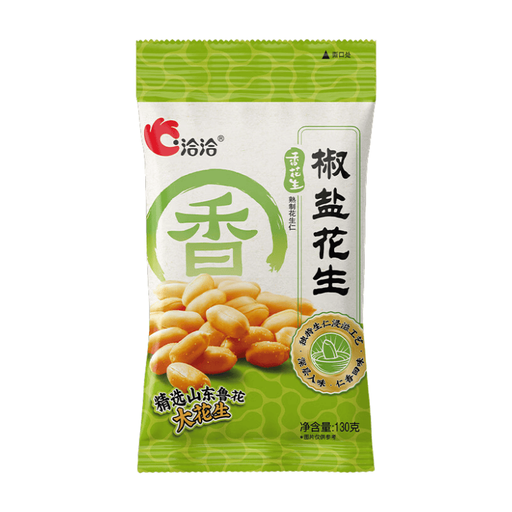 No image available
A good choice if you’re looking for a seasoned peanut snack in individual packs.
Nutrition information lists 47.8 g of fat per 100 g. The ingredients and nutrition information are provided; follow the advice to store in a cool, dry place.
The pack contains a desiccant; do not eat it.
 No image available
A good choice if you want to take unsalted peanuts along for several snack breaks.
The description lists 99% peanuts and sunflower oil; the nutrition information states 50 g of fat per 100 g and 0.02 g of salt per 100 g. Seal tightly after opening and store in a cool, dry place.
The description states that the product may contain cashew nuts.
 No image available
A good choice if you’re looking for a seasoned peanut snack with a crunchy coating.
The description lists 50% peanuts; the nutrition information gives 35 g of fat, 41 g of carbohydrates and 1.3 g of salt per 100 g. Seal tightly after opening and store in a cool, dry place.
Contains wheat (gluten); may also contain milk, nuts, soya and mustard. Not recommended for children under 5 due to the risk of choking.
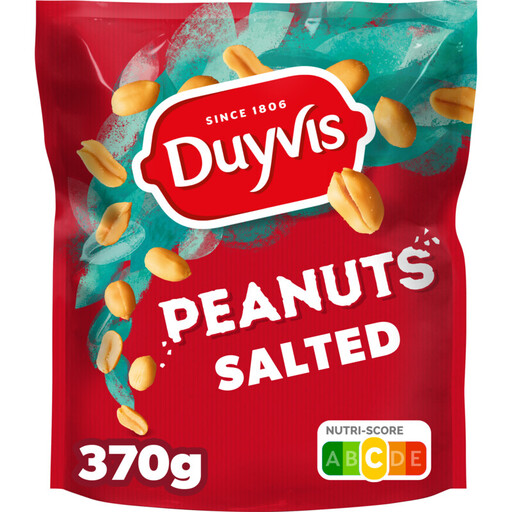 No image available
A good choice if you’re looking for a classic salted peanut snack and want to compare fat on an equal-weight basis.
The ingredients list peanuts, sunflower oil and salt; the nutrition information states 52 g of fat per 100 g. Seal tightly after opening and store in a cool, dry place.
May contain other nuts. Not recommended for children under 5 due to the risk of choking.
 No image available
A good choice if you want to compare peanuts in shells with other types of shelled peanut snacks.
The nutrition information states 49 g of fat per 100 g. Store in a cool, dry place and seal the pack tightly after opening.
The description states that the product may contain traces of nuts.
No. For solid foods, the European Commission sets a maximum of 3 g of fat per 100 g for the ‘low fat’ claim. The historical less-fat peanut snacks described contain more than that; also check which product the manufacturer uses for comparison.
No. PLUS Unsalted Peanuts lists 50 g of fat per 100 g. Unsalted tells you about the salt, not the fat content; check both separately.
Store peanuts somewhere dry in a tightly sealed container, preferably somewhere cool, and follow the instructions on the packaging. For nuts, the Netherlands Nutrition Centre gives 10 to 15 °C as an example.
Check the ingredients list and any warnings about other allergens. The Netherlands Food and Consumer Product Safety Authority says that allergens present must be clearly identifiable in the ingredients list. Coated peanut snacks may contain wheat, for example; the Japanese savoury snack mix described also lists soya. A peanut product is not suitable for anyone with a peanut allergy.
No. Albert Heijn’s warning of 20 May 2026 relates specifically to the tub of AH Extra Large Salted Peanuts with a best-before date of 04-11-2026. For that specific product and date, the instruction is: do not consume. The warning does not automatically apply to other AH peanuts.