What should you look for when buying?
First compare the nutritional value per 100 g, then work it out for your own portion. For solid foods, the European Commission sets a maximum of 40 kcal per 100 g for the ‘low energy’ claim; the peanut labels examined are well above this threshold.
| What to consider |
What to look for |
Who should pay extra attention? |
| Calories per portion |
Compare kcal per 100 g, then weigh your snack. AH, Jumbo, PLUS and Duyvis list values for specific varieties and pack sizes. |
If I want to keep track of the energy in my snacks, I compare the same amount and weigh my portion. Around 36% of consumers put snack energy at the top of their shopping priorities. |
| Salt and ingredients |
Check the salt, sugars, ingredients and peanut content on the label for the exact flavour. |
If you’re mainly looking for a low-salt option or a particular ingredient profile, you can compare salt and sugars alongside flavour. Around 29% of consumers prioritise this ingredient profile. |
| Storing your weekly supply |
Choose a pack size to suit your planned use and follow the storage instructions; the Netherlands Nutrition Centre recommends storing nuts in a sealed, dry place. |
If I’m stocking up for both snacking and cooking, I want enough without treating the whole bag as one portion. Around 21% of consumers say having the right amount for the week is their top priority. |
| Flavour and ingredients |
Check the exact variety and compare the nutritional value per 100 g, including salt and sugars. |
If you choose a savoury or sweet-and-salty flavour, you can take the ingredients into account alongside the energy value. Around 14% of consumers put flavour variety first. |
Peanuts at Joybuy
This product selection includes unsalted peanuts, peanuts in their shells and flavoured varieties. Check the ingredients and nutritional information for each product; not every variety shown is suitable if you’re watching your calorie intake.
 No image available
g'woon unsalted peanuts 250 g
An unsalted option if you’re looking for a 250 g bag to stock up for the week.
The product information lists 99% peanuts and 0.02 g of salt. Contains sunflower oil and may contain cashew nuts.
View at Joybuy
 No image available
g’woon peanuts in shell 500 g
The 500 g pack could suit you if you’re looking for peanuts in their shells to help plan your supplies.
View at Joybuy
 No image available
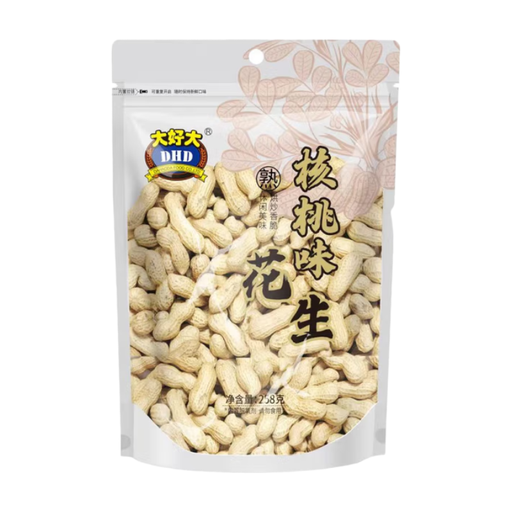
Dahaoda walnut-flavoured peanuts 258 g
A flavoured snack option if you’re looking for a walnut taste as well as plain peanuts.
The product information lists sugar and salt, and identifies soya as an allergen. The energy value is 2420 kJ per 100 g.
View at Joybuy
 No image available
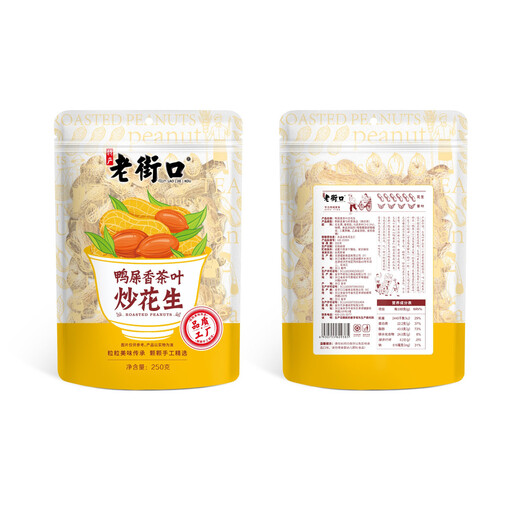
Lao Jie Kou Ya Shi Xiang tea-roasted peanuts 250 g
A tea-flavoured snack in a 250 g pack if you’re looking for something a little different.
The product information lists 584 kcal and 1.5 g of salt per 100 g, as well as sweeteners. The desiccant in the pack is not edible.
View at Joybuy
 No image available
Verse Extra Large roasted peanuts 210 g
A roasted variety in a 210 g pack; the product information suggests it for snacking, cooking and baking.
The information lists 100% peanuts, 626 kcal and 0.02 g of salt per 100 g. This variety is labelled unsalted.
View at Joybuy
Frequently asked questions
Can a small portion of peanuts be marketed as low-calorie?
No, a small portion doesn’t make the claim applicable. For solid foods, the European Commission sets a maximum of 40 kcal (170 kJ) per 100 g for the ‘low energy’ claim; check the value per 100 g, not just per portion.
How do I calculate the calories in my own snack?
Multiply the kcal per 100 g by the number of grams you’ve weighed out, then divide by 100. For Jumbo unsalted peanuts, at 602 kcal per 100 g, a 25 g portion works out as: 602 × 25 ÷ 100 = 150.5 kcal. Compare products using the same amount.
How many peanuts should I buy for a week?
Add up the grams in your planned portions and cooking use. Seven 25 g portions come to 175 g; remember to add any amount used by others separately. This is an example for planning supplies, not daily dietary advice.
How should I store an opened bag of peanuts?
Seal the pack properly and follow the instructions on the label. The Netherlands Nutrition Centre recommends storing nuts in a sealed, dry place; for the pack examined, AH recommends storing it in a cool, dark and dry place.
What should I look out for when it comes to allergens in flavoured peanuts?
Check the ingredients list and warnings on the exact pack, as flavourings may introduce other allergens. The Duyvis honey salt examined contains wheat starch and lists peanuts and wheat as allergens. The NVWA requires any allergens present to be clearly identified in the ingredients list.
Are whole peanuts suitable for young children?
The AH and PLUS product pages examined warn that young children may choke on peanuts. Take this warning into account, and don’t use this buying guide as a recommendation to give whole peanuts to young children.


