What should you look for when choosing?
Start with the amount you plan to serve, then compare the nutritional values and preparation method of the variants that suit your get-together.
| What to consider |
What should you look for? |
Who should pay particular attention? |
| Calories per portion |
Weigh your portion and calculate: kcal per 100 g × portion weight in grams ÷ 100. |
If you want to know how much energy you’re actually serving, prioritise portion size and the label; around 42% of consumers put calories per portion first. |
| Choosing unsalted |
Check the ingredients and salt per 100 g; unsalted doesn’t mean low in calories. |
If you’re looking for an unsalted snack, you’ll want to assess salt separately from energy; around 25% of consumers make this their top priority. |
| Preparation and flavour |
Read the ingredients and check energy and salt separately. |
If you’re looking for a particular party flavour or oven-baked preparation, you’ll also want to know what’s been added to the variant; around 17% of consumers prioritise preparation method and flavour. |
| Quantity for your group |
Match the pack size to your serving plan and check the allergen and storage information. |
When entertaining several guests, you’ll want to buy enough without treating the whole pack as one portion per person; around 16% of consumers prioritise buying for a group and managing leftovers. |
Peanuts at Joybuy
These Joybuy products include unsalted and roasted peanuts, a honey variant and peanuts in their shells. Compare the details for the exact pack and weigh out the portion you serve.
 No image available
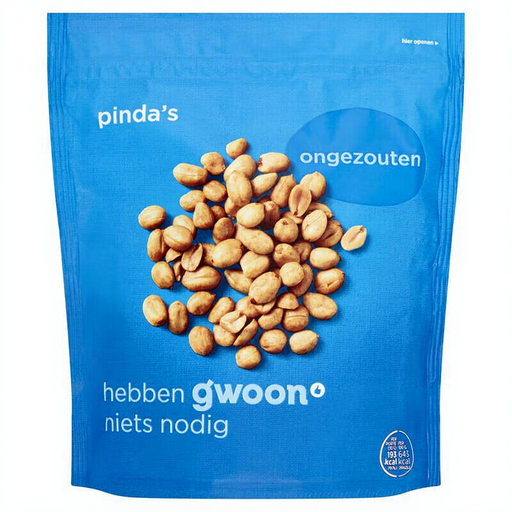
g’woon unsalted peanuts, 250 g
Suitable if you’re looking for unsalted peanuts and want to weigh out your own portion.
The nutritional information lists 2690 kJ per 100 g. The pack contains 250 g; the ingredients information lists 99% peanuts and sunflower oil.
Contains peanuts and may contain cashew nuts.
View at Joybuy
 No image available
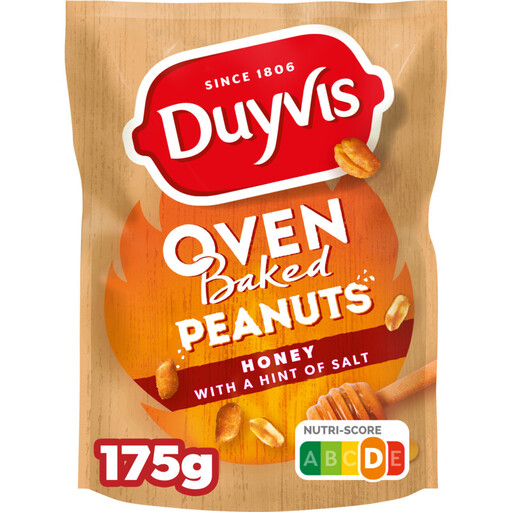
Duyvis honey and lightly salted oven-roasted peanuts
Suitable if you’re looking for an oven-roasted variant with honey and salt and want to calculate the energy per portion.
The nutritional information lists 561 kcal and 1,4 g salt per 100 g. The product description states that it contains 5–6 portions.
Contains peanuts, wheat and gluten; may contain other nuts. The product information warns of a choking hazard for young children.
View at Joybuy
 No image available
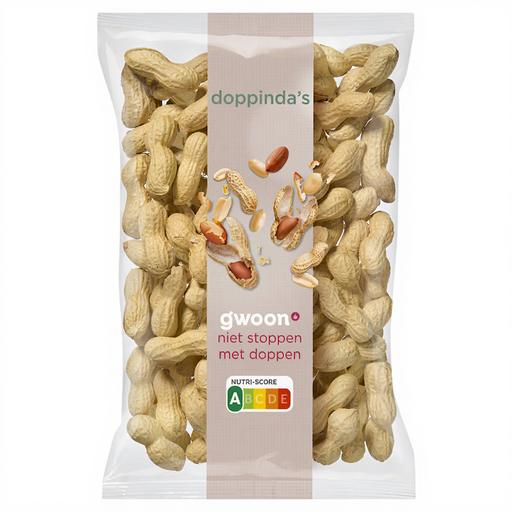
g’woon peanuts in shell, 500 g
Suitable if you want to serve peanuts in their shells and portion them yourself.
The pack contains 500 g. The product information lists 0,12 g salt per 100 g.
The product information states that the product may contain traces of nuts.
View at Joybuy
 No image available
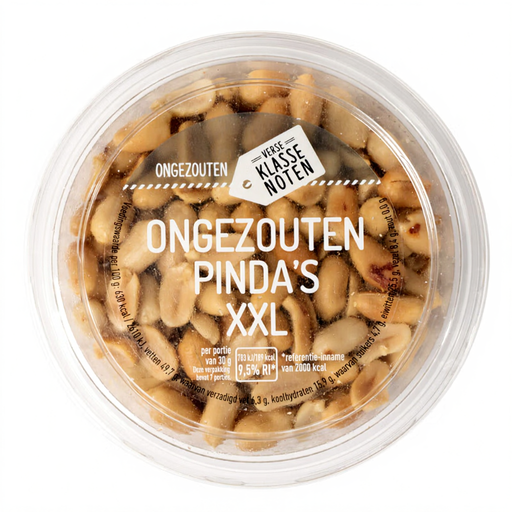
Verse Extra Large roasted peanuts, 210 g
Suitable if you’re looking for roasted, unsalted peanuts and want to weigh out your own portion.
The pack contains 210 g. The product information lists 626 kcal per 100 g and names peanuts as an ingredient.
Contains peanuts.
View at Joybuy
Frequently asked questions
Can a small portion of peanuts be sold as ‘low calorie’?
Not if the solid food contains more than 40 kcal (170 kJ) per 100 g. The European Commission sets this limit for the ‘low calorie’ nutrition claim on solid products. You can state the calculated energy content of a weighed portion, but you shouldn’t call the product itself low calorie.
Is 15 g of peanuts a recommended daily amount?
No, 15 g is just a calculation example for a portion to serve with drinks and nibbles. The Netherlands Nutrition Centre (Voedingscentrum) lists 157 kcal for a 25 g handful of unsalted peanuts; this is general nutritional information, not the exact value for every brand variant.
What should I look for when buying peanuts for guests with an allergy?
Check both the ingredients and any warnings about the possible presence of other allergens on the pack. The products reviewed contain peanuts, and some mention the possible presence of other nuts. Don’t serve these peanuts to anyone who needs to avoid peanuts.
How should I store peanuts left over after the get-together?
Seal the pack well and follow the storage instructions on the label. The Netherlands Nutrition Centre (Voedingscentrum) recommends storing nuts in a tightly sealed container, somewhere dry and preferably cool. Also check the pack instructions for the exact variant.
What do warnings about possible allergens mean?
The NVWA states that Dutch rules for warnings about the unintended presence of allergens have applied since 1 January 2026. Such warnings about possible cross-contamination don’t replace the declaration of allergens present as ingredients, so check both on the pack.


