
Snackers keeping an eye on portions
Want to enjoy peanuts at a birthday party while keeping an eye on the energy in your portion? Compare the nutritional information and weigh the amount you serve. Unsalted doesn’t mean low in calories.


The peanuts reviewed do not meet the European Commission’s criteria for a ‘low calorie’ claim. If you want to keep an eye on your calorie intake at a birthday party, compare the energy per 100 grams and weigh the portion you serve. Choose a flavour you enjoy, and check the allergens and whether the snack is suitable for your guests.
Want to enjoy peanuts at a birthday party while keeping an eye on the energy in your portion? Compare the nutritional information and weigh the amount you serve. Unsalted doesn’t mean low in calories.
Looking for a salty flavour or a crunchy coating? Consider the flavour, salt and ingredients separately: the preparation method alone doesn’t tell you how many calories a portion contains.
If you’re buying for a group, tailor the quantity and how you serve the snack to your guests. If anyone has an allergy, check the ingredients and warnings. Also bear in mind that whole peanuts can pose a choking risk for young children.
Start by checking the energy per 100 grams and the portion you actually plan to serve. Then choose a flavour and, before serving, check the ingredients and snack format are suitable for your guests.
| What to consider | What to look for | Who it matters to |
|---|---|---|
| Energy per portion | Compare kcal per 100 grams and weigh the portion; calculate the energy based on its actual weight. | If I want to be mindful of how much energy my party snack provides, I look at the portion I actually eat. This applies to around 42% of consumers who prioritise the energy in their portion. |
| Flavour and salt | Check the salt content per 100 grams and whether you’re looking at plain peanuts or a coated snack. | If a salty or spiced flavour is the deciding factor for me, I still want to be able to assess the salt and ingredients. Around 25% of consumers prioritise flavour and salt. |
| Suitability for guests | Check the ingredients and allergen warnings, and choose a snack format that’s suitable for any children present. | If I’m hosting guests with allergies or young children, I want to check in advance whether the snack is suitable for them. Around 17% of consumers prioritise guest safety. |
| Quantity and leftovers | Match the net weight to the number of guests and portions planned; follow the label instructions for leftovers. | When I’m shopping for a group, I want to buy enough without having more left over than necessary. Around 16% of consumers prioritise quantity and spending. |
Salt content and energy are different things. For a ‘low energy’ claim on solid foods, the European Commission sets a limit of no more than 40 kcal (170 kJ) per 100 grams.
Compare the energy per 100 grams and calculate it for your own portion; consider the salt separately.
Albert Heijn lists a 25-gram portion for the unsalted peanuts reviewed, while Jumbo provides nutritional information for 30 grams. The portion figures therefore aren’t directly comparable.
Compare the figures per 100 grams first, or make sure the portions weigh the same before calculating the energy.
According to the ingredient information, Duyvis Oriental contains peanuts, starch and sugar, among other ingredients. Duyvis and Albert Heijn list different energy figures for this variety, so it’s important to check the current packaging.
Check the full ingredients and allergen information for the guests who’ll be eating it.
The amount you’ll need depends on the number of guests and the portions you plan to serve. Leftovers should be stored according to the instructions on the packaging.
Work out how much you’ll need in advance and follow the storage advice on the label for opened packs.
The range includes plain unsalted and salted peanuts, as well as Borrelnootjes coated in a crunchy layer of dough.
The Albert Heijn own-brand unsalted peanuts reviewed come in a 300-gram pack.
Jumbo Pinda’s Ongezouten 250 g is an unsalted own-brand variety.
Lidl lists unsalted peanuts in its nuts range.
ALDI lists Trader Joe’s roasted, unsalted peanuts in a 250-gram pack.
The PLUS own-brand variety reviewed is unsalted and, according to the product information, contains peanuts and sunflower oil.
This selection at Joybuy includes unsalted and salted peanuts, spiced peanuts and peanuts in their shells. Compare the energy per 100 grams where it’s listed, and check the ingredients and warnings for your guests.
 No image available
An unsalted option for anyone looking for a simple peanut snack and wanting to weigh out their own portion.
The listed energy is 2690 kJ. The description lists peanuts and sunflower oil, and states that the product may contain cashew nuts.
 No image available
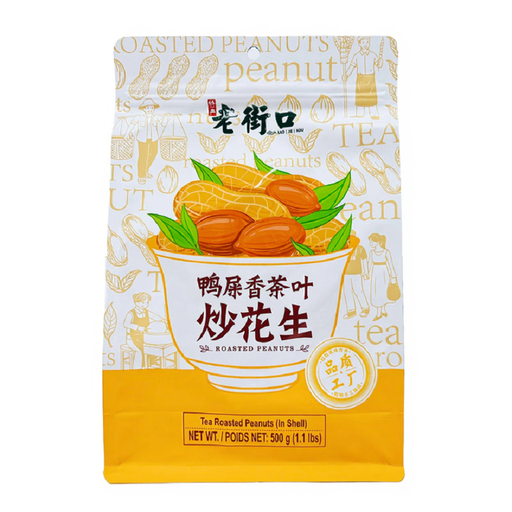
A roasted variety in the shell for anyone looking to try a tea aroma alongside plain peanuts.
The listed energy is 544 kcal per 100 grams. Contains peanuts.
 No image available
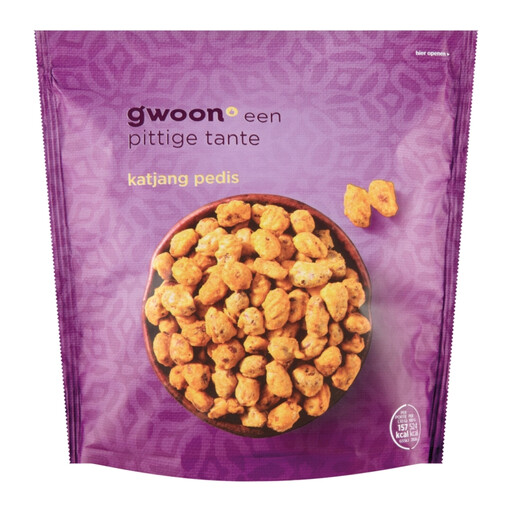
A spiced peanut snack for anyone looking for something different from plain peanuts.
The description lists 524 kcal per 100 grams and 62% peanuts. The ingredients list also includes wheat, egg and soya.
 No image available
Peanuts in the shell for anyone who wants to weigh and serve this style of snack.
The nutrition table lists 2515 kJ. The product contains peanuts and may contain traces of other nuts.
 No image available
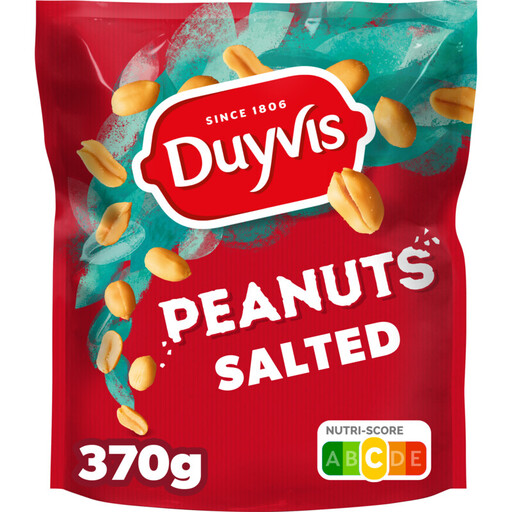
A salted option for anyone who prefers a savoury flavour and wants to take the salt content into account separately.
The listed nutritional information is 613 kcal and 0.73 grams of salt per 100 grams. The product description warns of a choking hazard for children under 5 and states that the product may contain other nuts.
For solid foods, the European Commission sets a limit of no more than 40 kcal (170 kJ) per 100 grams for a ‘low energy’ claim. The peanut products reviewed don’t meet this limit. A claim about reduced energy is different: it requires a reduction of at least 30% and a statement of the characteristic that accounts for the reduction.
No. Voedingscentrum uses 25 grams as a handful in its calorie checker; this isn’t a legal portion limit. Packs may list a different portion size. Compare the nutritional information per 100 grams first, then calculate it based on the amount you’re serving.
Multiply the number of people eating by the portion size in grams you’re planning, then compare the result with the net weight. For example, ten people with a planned portion of 25 grams each would need 250 grams. This is a quantity calculation, not a prediction of how much your guests will eat.
Check the ingredients and any warnings about possible cross-contamination on the packaging for the specific variety. The NVWA states that allergen information for prepacked products must appear on the label. A warning about possible cross-contamination is different from an ingredient deliberately used in the product.
Whole peanuts can pose a choking risk for young children. Voedingscentrum warns about this risk; make sure children sit calmly while eating and stay with them. Choose a snack format that’s suitable for the children who’ll be there.