What should you look for when buying?
Smooth peanut butter
Choose this if: you want to offer your baby peanuts and the product genuinely contains no pieces.
Bear in mind: a suitable texture doesn’t automatically mean the product is low in calories. The Netherlands Nutrition Centre recommends smooth peanut butter when introducing peanuts.
Whole unsalted peanuts
Choose this if: you’re looking for a snack for yourself, not as a standalone snack for your baby.
Bear in mind: unsalted doesn’t mean low in calories. The Netherlands Nutrition Centre lists 157 kcal per 25 g of unsalted peanuts; whole peanuts aren’t suitable for children under 4.
Light or reduced-fat peanut butter
Choose this if: you want to compare a specific reduction for yourself and the label clearly states what has been reduced.
Bear in mind: a retailer description says that a Jumbo light version contains less fat, but that doesn’t prove it’s low in calories or suitable for a baby.
The Netherlands Nutrition Centre recommends smooth peanut butter when introducing peanuts. Compare a calorie-conscious choice for yourself separately from the form and amount you choose for your baby.
| What to consider |
What should you check? |
Who should pay extra attention? |
| Texture for your baby |
Check that the peanut butter is smooth and contains no pieces; keep whole peanuts out of reach. |
If I’m buying peanuts for my baby, I want to make sure the peanut butter contains no pieces first. Around 33% of consumers prioritise a suitable texture. |
| Keeping calorie needs separate |
Decide who will eat the product and compare energy content only for equal amounts. |
If I’m buying for myself too, I don’t want to confuse my calorie comparison with what my baby needs. Around 27% of consumers prioritise keeping these needs separate. |
| Introduction and allergies |
Follow Dutch guidance on introducing peanuts; if your baby has severe eczema or a food allergy, consult their doctor or dietitian first. |
When introducing peanuts for the first time, I want to know when to start and whether medical support is needed. Around 20% of consumers prioritise timing and any allergy-related considerations. |
| Ingredients |
For your baby, look for 100% peanut butter with no added salt or sugar, and read the label for the exact product. |
I want a simple ingredient list for my baby, with no added salt or sugar. Around 13% of consumers give ingredients top priority. |
| Use at a particular venue |
Ask the nursery or school in question specifically whether its policy covers peanuts too. |
If I want to take the product to a nursery or school, I need to know that venue’s policy. Around 7% of consumers prioritise this requirement. |
Peanut butter at Joybuy
These Joybuy products are peanut butter varieties you can compare by ingredients and texture. Before giving one to a baby, always check that the exact product is smooth.
 No image available
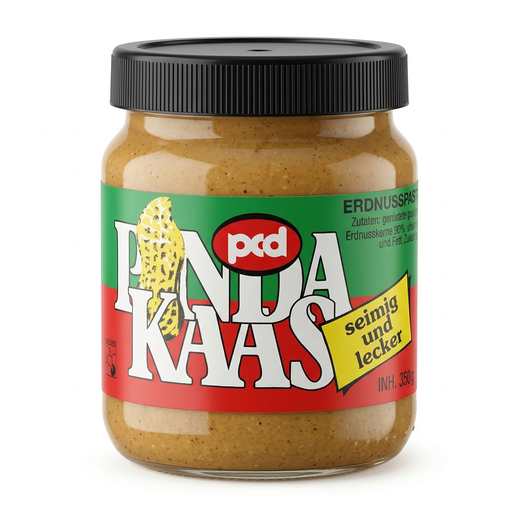
PCD Peanut Butter 350g
The product information lists peanuts as the only ingredient, with no added salt or sugar. Check the packaging to make sure the peanut butter is smooth before using it to introduce peanuts.
The product information notes that it may contain traces of nuts. Check the allergen information and the nursery or school’s policy.
View at Joybuy
 No image available
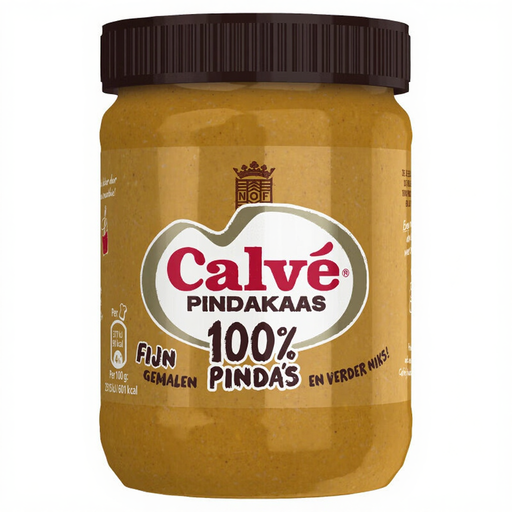
Calve Peanut Butter 100% - 350 g
The product description says this peanut butter is made from 100% finely ground peanuts. Check the packaging to confirm the texture of the exact variety before choosing it for your baby.
The product information notes that it may contain various nuts. Check the allergen information and the nursery or school’s policy.
View at Joybuy
Frequently asked questions
Should you wait until your baby can eat larger pieces independently before introducing peanuts?
No, these are separate choices. The Netherlands Nutrition Centre advises introducing peanuts before 8 months and recommends smooth peanut butter, for example mixed into a vegetable or fruit purée. For larger pieces when following the Rapley method, your baby should be able to sit upright and swallow and chew well.
What changes if your baby has severe eczema or a food allergy?
The Netherlands Nutrition Centre then advises introducing peanuts before 6 months, after first consulting your baby’s doctor or dietitian. Don’t use a general buying guide as a personalised introduction plan.
Can 25 g of unsalted peanuts be used as a portion for a baby?
No. The 25 g is the reference amount on the Netherlands Nutrition Centre’s general nutrition information page, not advice on portion sizes for babies. Its feeding schedules are guidelines, so choose an amount that suits your child. Whole peanuts are also unsuitable for children under 4.
Does less fat or 100% peanuts automatically mean the peanut butter is low in calories?
No. Those labels don’t automatically tell you how much energy the product contains per equal amount. Compare the nutrition information for the exact products, and keep your own calorie choice separate from the form and amount you choose for your baby.
Can you take peanut butter to a nut-free nursery or school?
That depends on the venue’s policy. Ask specifically whether the policy covers peanuts too; the botanical classification of peanuts doesn’t, by itself, mean you’re allowed to take the product in.
What allergen information should you check on a jar of peanut butter?
Check the allergen information on the packaging for the exact product. The Netherlands Food and Consumer Product Safety Authority says that peanuts and tree nuts are separate allergen categories and that prepacked products must display allergen information.


