A bag of whole peanuts isn’t suitable for a baby, even if the peanuts are unsalted: the Netherlands Nutrition Centre advises against giving whole peanuts or nuts to children under 4. Smooth peanut butter without pieces is an alternative for introducing peanuts, mixed into a suitable food. Match self-feeding to your child’s abilities, and make sure your baby is sitting calmly while you stay with them.
Who is this relevant to?
Parents looking for a snack to take out
You want something practical to take with you, but you’re looking for a product in a form that’s suitable for your baby. Taking food out and eating it are two different things: the Netherlands Nutrition Centre advises letting your child sit calmly while eating and staying with them.
Parents introducing peanuts
You want to know when and in what form to introduce peanuts. If your child has severe eczema or a food allergy, you should discuss this decision with their doctor or dietitian.
Parents supporting self-feeding
You want your baby to feed themselves and are matching the texture to their ability to sit upright, swallow and chew. The Netherlands Nutrition Centre lists these skills as prerequisites before you offer larger pieces.
What should you look for when choosing?
Whole salted peanuts
When to choose: not as a snack for your baby; the Netherlands Nutrition Centre advises against giving whole peanuts to children under 4.
What to consider: a small pack is handy to take with you, but it doesn’t change the texture; Duyvis also lists salt as an ingredient.
Whole unsalted peanuts
When to choose: not as a snack for your baby; being unsalted doesn’t make whole peanuts suitable.
What to consider: Jumbo’s unsalted peanuts carry a warning about the risk of choking for young children.
Smooth 100% peanut butter
When to choose: as an alternative for introducing peanuts, mixed into suitable food; the Netherlands Nutrition Centre recommends peanut butter without pieces.
What to consider: you’ll need to prepare a suitable portion and way to serve it; a jar isn’t a ready-to-eat baby snack.
Crunchy peanut butter
When to choose: not if your baby needs smooth peanut butter for peanut introduction.
What to consider: check the texture of each variety; a 100% peanut range may also include a crunchy option.
| What to consider |
What to check when buying |
Who should give this more thought? |
| Suitable texture |
Don’t give your baby whole peanuts; for introduction, choose peanut butter without pieces. |
When choosing something for my baby, I want to know first whether the texture is suitable. Around 36% of consumers prioritise suitability. |
| Taking it out and mealtimes |
Plan a time when your child can sit calmly, and stay with them while they eat. |
I want to take something with me without my child eating on the go; a calm, seated mealtime is still important. Around 21% of consumers prioritise convenience when taking food out. |
| Introducing peanuts |
Keep introducing peanuts separate from self-feeding; if your child has severe eczema or a food allergy, speak to their doctor or dietitian. |
When introducing peanuts, I want to choose the form and supervision carefully, especially if there are medical concerns. For around 29% of consumers, introducing peanuts is the main priority. |
| Ingredients and allergens |
Check any additions, pieces and allergen information on the packaging separately. |
I want to know exactly what’s in the jar and whether there are warnings about other allergens. For around 14% of consumers, ingredients are the top priority. |
Common mistakes
-
Assuming a small bag makes a suitable baby snack
A smaller pack doesn’t make whole peanuts suitable for a baby. The Netherlands Nutrition Centre advises against giving whole peanuts or nuts to children under 4.
Check the form of the product first; only then consider the pack size or brand.
-
Confusing ‘100% peanuts’ with ‘smooth’
A peanut butter product can contain only peanuts and still have pieces. ALDI lists both smooth and crunchy varieties in its HELAES range.
Check the texture and ingredients list separately for the variety you’ve chosen.
-
Assuming food to take out should be eaten on the move
A pack that’s easy to take with you is no substitute for a calm mealtime with supervision. The Netherlands Nutrition Centre advises staying close to your child while they eat.
Take the product with you, but plan to eat it when your child can sit calmly.
-
Assuming a short ingredients list means the product is allergen-free
A simple list of ingredients doesn’t rule out warnings about other allergens. PLUS states that its 100% peanut butter product reviewed may contain cashew nuts.
Read the ingredients and allergen information on the current packaging, and check any relevant arrangements at your destination.
Relevant brands and retailers
These brands and retailers have product ranges that are relevant when comparing whole peanuts with peanut butter. The varieties mentioned are not a recommendation to give whole peanuts to a baby.
Duyvis
Duyvis sells salted peanuts in a range of pack sizes.
- The manufacturer lists packs of 60 g, 100 g, 235 g and 370 g.
- The product information lists peanuts, sunflower oil and salt; the smaller packs are not described as portions for babies.
Albert Heijn
AH Terra 100% Peanut Butter Natural is a jar of peanut butter and an alternative to whole peanuts as a snack.
- For the natural variety reviewed, Albert Heijn lists peanuts as the ingredient, with no added salt or sugar.
- Check the allergen information for the exact variety and pack, including warnings about possible tree nuts.
Jumbo
Jumbo sells peanut butter and loose peanuts, including an unsalted snack variety.
- The range includes products such as Jumbo 100% Peanut Butter Natural.
- Jumbo Unsalted Peanuts carry a warning about the risk of choking for young children; unsalted doesn’t mean whole peanuts are suitable for a baby.
Lidl Nederland
Lidl lists a 100% peanut butter natural range as an alternative to whole peanuts.
- The range name identifies the natural variety.
- Check the details and allergen information on the packaging of the variety you’re considering.
ALDI Nederland
ALDI lists both HELAES 100% peanut butter and Trader Joe’s unsalted peanuts; these are different types of product.
- For HELAES 100% peanut butter, ALDI lists a smooth variety and a crunchy variety; the range comes in a 350 g pack.
- The separate Trader Joe’s peanuts are whole peanuts and are not an alternative to smooth peanut butter for a baby.
PLUS
PLUS sells both 100% peanut butter and loose unsalted peanuts.
- The product listings reviewed mention 350 g peanut butter and 300 g unsalted peanuts.
- The peanut butter may contain cashew nuts; the loose peanuts carry warnings about possible traces of other tree nuts.
Peanut butter on Joybuy
This product selection features smooth peanut butter as an alternative form for introducing peanuts, not a bag of whole peanuts.
 No image available
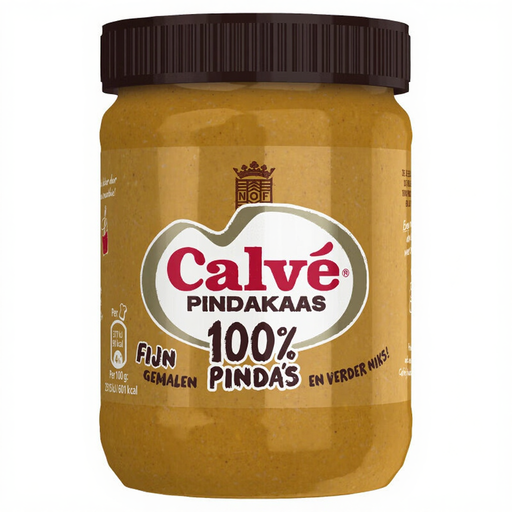
Calve Peanut Butter 100% - 350 g
The product description says it contains finely ground peanuts and lists peanuts as the only ingredient, making it suitable as a smooth peanut butter. It comes in a jar that you portion and prepare yourself, rather than as a ready-to-eat baby snack.
Contents: 350 g. Check the ingredients and allergen information on the packaging before use.
View on Joybuy
Frequently asked questions
Is offering peanuts from 4 months the same as starting baby-led weaning?
No. The Netherlands Nutrition Centre’s advice on introducing peanuts describes peanut butter mixed into first foods. For larger pieces that your baby eats by themselves, the Netherlands Nutrition Centre sets out separate requirements: your child must be able to sit upright and swallow and chew well.
What changes if my baby has severe eczema or a food allergy?
Speak to your baby’s doctor or dietitian before introducing peanuts. This isn’t advice to try peanuts again on your own if your baby has a known peanut allergy.
What allergen information must appear on a pre-packed product in the Netherlands?
According to the Netherlands Food and Consumer Product Safety Authority, relevant allergens must be listed in the ingredients and clearly distinguished. Peanuts and nuts are separate categories in the legal allergen information.
Are all schools in the Netherlands legally peanut- and nut-free?
A local school policy doesn’t automatically apply to every school in the Netherlands. OBS De Venen, for example, publishes its own policy on peanuts and nuts. Ask your child’s school or childcare provider which local rules apply and whether they include peanut butter.
Is the serving size on a peanut product a baby portion?
Not necessarily. A serving size on a product may refer to an average adult and isn’t dietary advice for your baby.


