What should you look for when choosing?
Start with the form and how you plan to serve the peanut butter. Then check the ingredients, allergen information and practical instructions for use.
| What to consider |
What should you check? |
Who should give this more weight? |
| Form without hard pieces |
Avoid whole peanuts and peanut butter with pieces for this introduction route. The Netherlands Nutrition Centre recommends peanut butter without pieces. |
When introducing peanuts, I want to make sure the form contains no hard pieces. Around 36% of consumers in this context put safety of form first. |
| Ingredients and fat claim |
Read the ingredients and nutrition information. For a ‘low fat’ claim, the European Commission sets a maximum of 3 g of fat per 100 g of solid food; a comparative claim means something different. |
I don’t want a reduced-fat claim to distract from the ingredients. For around 29% of consumers, the ingredients matter most. |
| Allergy information |
Check the packaging for peanuts and any other potential allergens. If your child has severe eczema or a food allergy, speak to their healthcare professional beforehand. |
If my child has severe eczema or a food allergy, I want to know what introduction advice applies to them first. Introducing allergens is the main priority for around 21% of consumers. |
| Variant and use |
Check that you’re choosing the smooth version without pieces, and follow the instructions on the jar. PLUS recommends stirring its 100% peanut butter before use. |
I want to recognise the variant and know how to use and store it. Practical use comes first for around 14% of consumers. |
Peanut butter products at Joybuy
These Joybuy products are peanut butter variants to consider as possible ingredients for preparation. Check the texture on each pack to make sure it’s smooth, and review the ingredients and allergen information before considering a product for introducing peanuts.
 Image unavailable
PCD Peanut Butter 350g
A peanut butter product to consider if you’re looking for an ingredient to use in preparation.
Check the packaging to make sure the variant is smooth and free from pieces, and review the ingredients and allergen information.
View at Joybuy
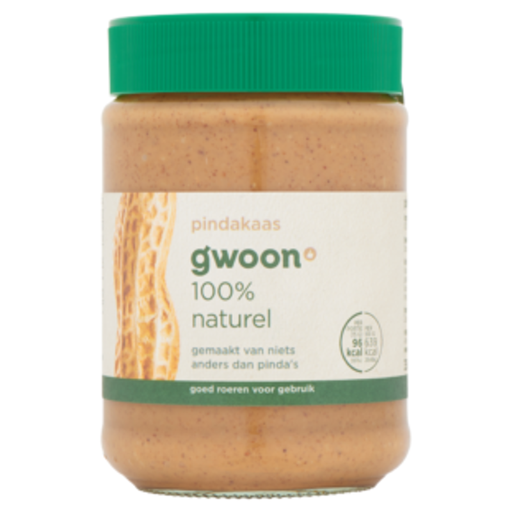 Image unavailable
g’woon Peanut Butter 100% Natural 350g
A peanut butter product to consider if you’re looking for a form of peanut to use in preparation.
Before use, check the packaging to make sure the peanut butter is smooth and free from pieces. Check the allergen statement on the packaging for peanuts and any other potential allergens.
View at Joybuy
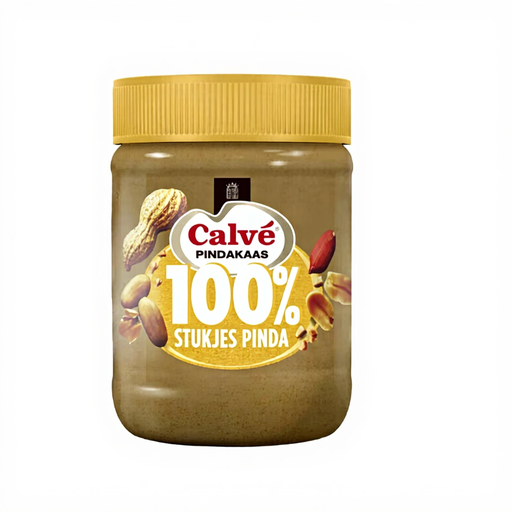 Image unavailable
Calve Peanut Butter Nut 100% 350 g
A peanut butter variant to consider if you’re looking for a peanut product to use as an ingredient.
Check the packaging to make sure the texture is smooth and free from pieces, and read the ingredients and allergen information.
View at Joybuy
Frequently asked questions
When can you introduce peanuts if your baby is learning to eat independently?
The Netherlands Nutrition Centre’s introductory leaflet recommends offering tastes from 4 months and introducing peanuts before 8 months, once your child is used to their first tastes. This doesn’t mean giving larger pieces: the Netherlands Nutrition Centre says children should be able to sit upright and swallow and chew properly before being given larger pieces.
What changes if your child has severe eczema or a food allergy?
In this situation, the Netherlands Nutrition Centre recommends starting early, before 6 months, but first speaking to your child’s doctor or dietitian. Don’t use general product information as a substitute for personal medical advice.
Does ‘reduced fat’ mean the same as ‘low fat’?
No. For solid foods, the European Commission sets a maximum of 3 g of fat per 100 g for a ‘low fat’ claim. Comparing a product with a higher-fat reference product doesn’t, in itself, mean that it meets this limit.
Should you throw away the layer of oil on peanut butter?
PLUS describes the layer as natural oil separation and recommends stirring the peanut butter before use. Then follow the storage advice on the specific jar; PLUS recommends storing it in a cool, dry place.
How do you check the label for peanuts and other potential nuts?
According to the Netherlands Food and Consumer Product Safety Authority, allergen information must appear on the label of pre-packed products. Check the packaging separately for peanuts and any other potential allergens, and read the product-specific warnings too.


