What should you look for when buying?
First, decide whether peanuts are suitable for you. If you can eat peanuts, check the dietary claims and warnings for the specific product variant.
| What to consider |
What to look for |
Who is this important for? |
| Avoiding the right allergen |
Check whether peanuts are an ingredient and look for warnings about the possible presence of other allergens. |
If I’m buying for someone with a peanut allergy, I won’t put a peanut product on the table, even if it has another dietary claim; around 31% of consumers prioritise avoiding a specific allergen. |
| Gluten-free claims for each variant |
Look for a gluten-free claim on the exact pack, and check the ingredients and warnings too. |
I can eat peanuts, but when avoiding gluten I don’t want to rely on a plain recipe alone; around 25% of consumers give choosing gluten-free the highest priority. |
| Distinguishing lactose from milk |
Work out whether you need to avoid lactose or milk as an allergen, then check the relevant product information. |
If I avoid lactose, a lactose-free claim is relevant. But if I have a milk allergy, I also check whether milk is listed as an allergen; around 19% of consumers prioritise avoiding lactose or milk ingredients. |
| Unsalted options and portion size |
Check that it’s the unsalted variant and decide in advance how much you want to serve. |
For my TV night, I want an unsalted snack and would rather decide in advance how much to put in a bowl; around 13% of consumers give this combination the highest priority. |
| Packaging and storage |
Compare the net weight and follow the pack’s resealing and storage advice. |
When choosing a pack for a night in front of the TV, I want an amount I can use and store easily; around 12% of consumers prioritise pack size and value for money. |
Peanuts at Joybuy
This selection at Joybuy includes plain, unsalted and roasted peanuts. Some options need further preparation, while others contain herbs and salt. None are suitable as an alternative if you have a peanut allergy. For other dietary requirements, check the information on the exact pack.
 No image available
g'woon Unsalted Peanuts 250g
An unsalted option if you can eat peanuts and are looking for a plain variant.
The product information lists 99% peanuts and sunflower oil; the product may contain cashews.
View at Joybuy
 No image available
Verse Extra Large Roasted Peanuts 210 g
An unsalted roasted option if you can eat peanuts and are looking for a ready-to-eat snack.
The product information lists 100% peanuts.
View at Joybuy
 No image available
g'woon Peanuts in Shell 500 g
An option to shell yourself if you can eat peanuts and don’t mind a little extra effort while snacking.
The peanuts are in their shells; the product information mentions possible traces of nuts.
View at Joybuy
 No image available
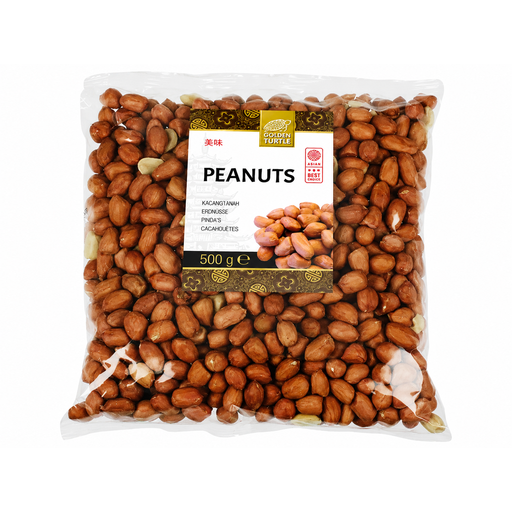
Golden Turtle Premium Raw Peanuts with Skin 500g
An option if you can eat peanuts and want to prepare the snack yourself.
The peanuts are raw and unroasted; the product information suggests roasting or boiling them.
View at Joybuy
 No image available
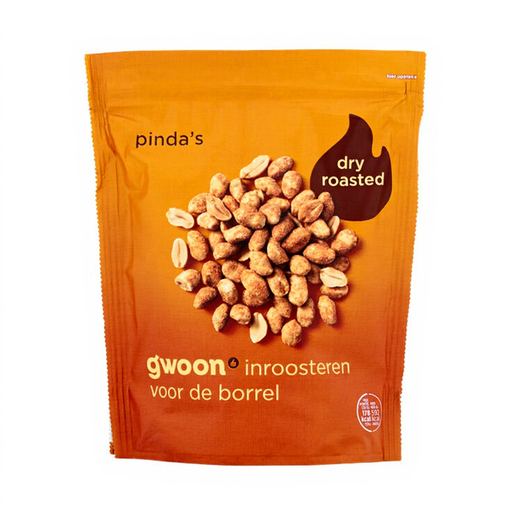
g'woon Dry Roasted Peanuts 200g
A seasoned snack option if you can eat peanuts and aren’t looking for a plain, unsalted variant.
The product information lists a seasoning mix, 1.5 g of salt per 100 g and possible traces of nuts. The bag is resealable.
View at Joybuy
Frequently asked questions
Are peanut and tree nut allergies the same?
No. Peanuts are legumes; tree nuts are different allergens. That doesn’t automatically make a peanut product suitable for someone with a tree nut allergy, so check the warnings on the exact pack.
Is a plain peanut automatically suitable for a gluten-free diet?
No. A plain description alone doesn’t tell you whether the exact variant is labelled gluten-free. AH Unsalted Peanuts 300 g is labelled gluten-free; for other variants, check the pack and product information. Gluten-free claims are subject to EU requirements under Regulation 828/2014, which the European Commission says has applied since 20 July 2016.
Does lactose-free also mean a product is suitable for someone with a milk allergy?
No. Lactose intolerance relates to lactose, while a milk allergy involves milk proteins. The Netherlands Nutrition Centre explains the difference; if you have a milk allergy, check the allergen information for milk rather than relying on a lactose-free claim.
What does ‘May contain’ mean since 2026?
It’s a warning that an allergen may be present unintentionally, for example due to cross-contamination. This is different from an ingredient that has been deliberately added to the recipe. According to the Netherlands Food and Consumer Product Safety Authority, Dutch rules for precautionary warnings have applied since 1 January 2026. These include ‘May contain X’ and ‘Not suitable for people with an X allergy’.
Can young children eat whole peanuts?
Don’t assume whole peanuts are a suitable snack for young children. The product information for AH Unsalted Peanuts and PLUS Unsalted Peanuts warns of a choking hazard.


