
Regular post-workout snackers
If you often eat peanuts after exercising, a larger pack may suit your habits. Look beyond the pack size: consider how much you weigh out for each snack and how you store the opened bag.


For regular use, a 500 g pack may suit you if you’ll use it all, weigh out your portions and seal the bag properly. If you snack on peanuts less often, a smaller pack may be more practical. According to the Netherlands Nutrition Centre, a 25 g handful of unsalted peanuts contains 6.3 g of protein and 157 kcal. So treat peanuts as part of your post-workout diet, not automatically as a complete recovery meal, and check the nutritional information for the exact variety.
If you often eat peanuts after exercising, a larger pack may suit your habits. Look beyond the pack size: consider how much you weigh out for each snack and how you store the opened bag.
If you want to know how much protein and energy your portion provides, compare the nutritional information for the exact variety on a like-for-like basis. A handful of peanuts isn’t automatically a complete post-workout meal.
If you don’t eat peanuts every day or share them with only a few people, a smaller pack may better match how much you use. Also check how well you can seal the pack after opening.
First, work out how many peanuts you actually use. Then compare the variety and nutritional information, and choose a pack you can store properly.
| What to consider | What to look for | Who is this most relevant to? |
|---|---|---|
| Pack size | Match the pack size to how much you use and how many people will eat from it. | If I snack on peanuts regularly, I want a pack I can finish before the rest sits unused. Around 36% of consumers give top priority to choosing a suitable pack size that matches how much they actually use. |
| Nutritional information | Check protein and energy per 100 g, then calculate the values for the same weighed portion. | If I want my snack to fit into my post-workout diet, I compare both the protein and energy in the exact variety. Around 29% of consumers put this nutritional fit first. |
| Portion size | Weigh your portion; labels may use different portion sizes. | If I want to eat an amount I’ve chosen deliberately, weighing it out is more helpful than treating the bag as one portion. Around 21% of consumers give portion control top priority. |
| Storage after opening | Check the storage advice and whether you can seal the pack properly. | If I eat peanuts irregularly, I want to be able to store the opened pack properly. Around 14% of consumers consider managing their supplies appropriately to be most important. |
The percentages show a hypothetical breakdown of consumers considering peanuts as a post-workout snack; they are not measured market shares. These considerations are intended to help you decide what matters most to you.
One pack contains several portions. For the 500 g bag reviewed, Albert Heijn lists twenty 25 g portions; the Netherlands Nutrition Centre gives 157 kcal for a 25 g handful.
Weigh out the amount you want to eat and seal the rest properly. Pack size is not a recommended portion size.
Albert Heijn uses a 25 g portion, while Jumbo uses 30 g. So differences per portion may partly reflect the different amounts used on the labels.
Compare protein and energy per 100 g, or calculate the values for the same weighed portion.
The unsalted varieties reviewed from Albert Heijn, Jumbo, PLUS and Duyvis list sunflower oil as an ingredient.
Read the ingredients list for the exact variety if the way it’s prepared matters to you.
On 20 May 2026, Albert Heijn issued a warning about AH Extra Large Salted Peanuts in a tub with a best-before date of 04-11-2026. The warning applies to that specific variety and date, not all AH peanuts.
Check that the product name and date match. Do not eat an affected pack, and follow Albert Heijn’s return instructions.
You’ll need to set an affected pack aside and follow the return instructions rather than using it as part of your usual supplies.
Duyvis offers an unsalted variety in a 235 g pack, as well as salted varieties in different sizes.
The AH variety reviewed is a 500 g bag of unsalted peanuts, with nutritional information for weighed portions.
The Jumbo variety reviewed is a 500 g value pack of unsalted peanuts.
The unsalted Lidl variety reviewed comes in a 285 g pack.
The varieties described under Trader Joe’s include 250 g packs of unsalted peanuts and 500 g XXL packs of roasted, salted peanuts.
The PLUS pages reviewed describe 250 g and 500 g bags of unsalted peanuts.
These product options range from unsalted and with no added salt to seasoned, shelled and raw peanuts. Check the preparation method, ingredients and portion size before choosing a variety.
 Image unavailable
A smaller pack of unsalted peanuts to consider if you’re looking to keep fewer in stock.
The product description lists 99% peanuts and 27 g of protein per 100 g. It also warns that the product may contain traces of cashew nuts.
 Image unavailable
The smaller pack may suit you if you’re looking to keep fewer in stock; the product description says the peanuts are roasted with no added salt.
The description lists 26 g of protein and 626 kcal per 100 g.
 Image unavailable
A larger quantity to consider if you’re looking for peanuts in their shells and don’t mind shelling them.
The product description lists 29 g of protein per 100 g. The peanuts need to be shelled before eating.
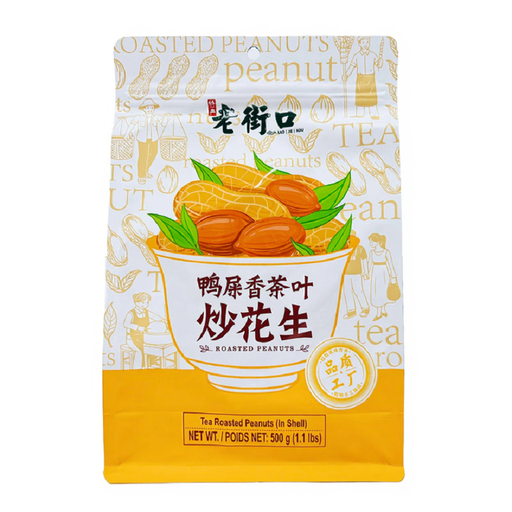 Image unavailable
A seasoned variety to consider if you’re specifically looking for peanuts with added flavourings.
The description lists oolong tea and flavourings, 25.2 g of protein and 1.37 g of salt per 100 g.
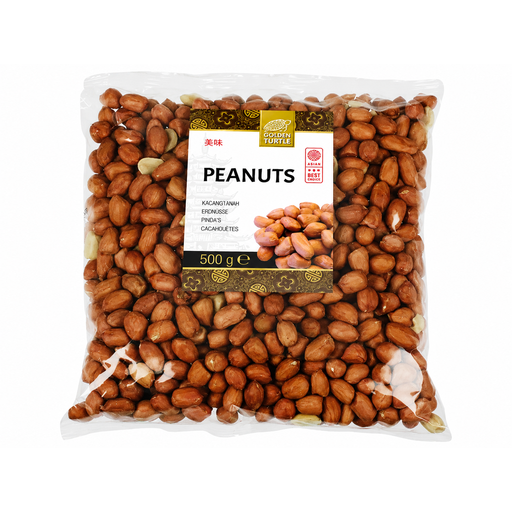 Image unavailable
This variety may suit you if you’re looking for raw peanuts to prepare yourself.
The description lists 26 g of protein per 100 g. The peanuts are raw and unroasted; roasting is suggested as a way to prepare them.
The fact that peanuts contain protein doesn’t tell you that on its own. According to the Netherlands Nutrition Centre’s general nutrition table, 25 g of unsalted peanuts provides 6.3 g of protein and 157 kcal. The Centre lists everyday foods as part of your protein intake after exercise; what’s right for you depends on your overall diet and sporting goals.
No. The unsalted peanuts reviewed from Albert Heijn, Jumbo, PLUS and Duyvis list sunflower oil. Read the ingredients list for the exact variety if you want to know how it’s prepared.
The Netherlands Nutrition Centre advises storing peanuts in a tightly sealed container in a cool, dark and dry place. Also follow the storage instructions on the pack.
The Netherlands Food and Consumer Product Safety Authority says allergens must be clearly distinguishable from the other ingredients in the ingredients list. According to the Authority, new Dutch rules on warnings about the unintended presence of allergens due to cross-contamination have also applied since 1 January 2026. Peanuts are an ingredient in their own right, so unsalted peanuts are not an alternative if you have a peanut allergy.
Albert Heijn’s warning of 20 May 2026 applies to AH Extra Large Salted Peanuts in a tub with a best-before date of 04-11-2026. Do not eat a pack that matches these details, and follow Albert Heijn’s return instructions. The warning does not apply to all AH peanuts.
No. The product pages from Albert Heijn, Jumbo and PLUS warn that young children may choke on peanuts. So don’t assume that supplies for adults who snack after a workout are also suitable for young children.