What should you look for when choosing?
Compare nutritional values per 100 g, then convert them to the same weighed portion. This helps you distinguish between differences in the products and differences in portion size.
| What to consider |
What to look for |
Who is this important to? |
| Fat and energy |
Compare values per 100 g and convert them to your weighed portion. |
If I want a lighter snack after exercise, I want to know how much fat and energy my portion contains. Around 36% of consumers put portion size and energy first. |
| Protein per portion |
Compare the protein content for the same quantity, and check fat and energy too. |
If I choose peanuts for their protein, I want to weigh my portion without accidentally having more than intended. Around 29% of consumers put protein at the top of their shopping list. |
| Salt and ingredients |
Check the salt, ingredients and allergens on the packaging of the exact variety. |
If I’m looking for low-salt options or avoiding certain ingredients, I want to know what else is in the variety besides peanuts. Around 21% of consumers focus mainly on salt and ingredients. |
| Packaging and use |
Compare pack weight and unit price, and follow the storage instructions on the packaging. |
If I buy peanuts as part of my regular shop, I want a pack that suits the way I store and use them. Around 14% of consumers prioritise practical shopping considerations and cost. |
Peanuts at Joybuy
The products below include crunchy and roasted peanuts, including an unsalted variety. Check the nutritional values and ingredients on the exact pack so you can compare them with your own portion and preferences.
 No image available
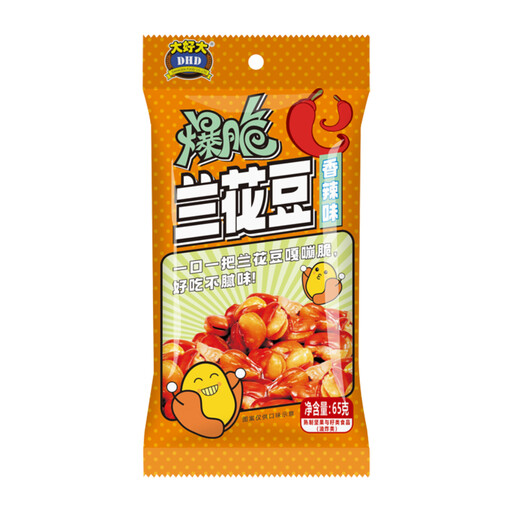
Dahaoda Crispy Butterfly Peanuts, Spicy Flavour, 65 g
The product name describes a crunchy snack with a spicy flavour. If these values affect your choice, compare the fat, energy and salt per 100 g on the packaging.
Joybuy
 No image available
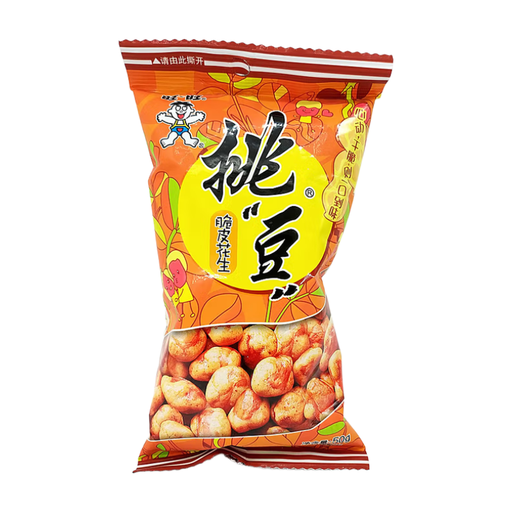
WANT WANT Tiaodou Crispy Peanuts, 50 g
The product name describes crunchy peanuts. The product information lists wheat and soya; check the packaging if you need to avoid these ingredients.
Joybuy
 No image available
Duyvis Honey & Lightly Salted Oven-Roasted Peanuts
This honey variety is roasted and lightly salted. The product information lists wheat and cereals containing gluten; compare the salt and ingredients with your preferences too.
Joybuy
 No image available
g’woon Unsalted Peanuts, 250 g
The product name describes unsalted peanuts. The product information lists sunflower oil and states that cashew nuts may be present; check the packaging if this is relevant to you.
Joybuy
 No image available
Verse Extra Large Roasted Peanuts, 210 g
The product name describes roasted peanuts. Compare the nutritional values per 100 g on the packaging and convert them to the portion you plan to eat.
Joybuy
Frequently asked questions
What is the difference between low fat and reduced fat?
For solid foods, the European Commission defines a low-fat claim as no more than 3 g of fat per 100 g. A claim such as reduced fat compares a product with a reference, so check which product category and packaging are named for comparison. It is not the same as low fat.
How much protein is in a small portion of peanuts?
According to the stated values, a 25 g portion of the Jumbo Unsalted Peanuts examined contains 6.6 g of protein and 150.5 kcal. This is calculated from 26.4 g of protein and 602 kcal per 100 g respectively; it is not a general recommendation for a post-exercise portion.
How do I compare peanuts with different portion sizes?
First compare the nutritional values per 100 g, then convert them to the same quantity. Manufacturers may use different portion sizes, so values per portion cannot be compared directly without converting them.
What should I look for when checking allergens in peanuts?
Check the allergen information on the packaging of the exact variety. The NVWA states that allergen information must appear on the label of pre-packed products; peanuts are one of the listed allergens. A coated variety may also contain other ingredients, such as wheat and cereals containing gluten.
How should I store an opened pack of peanuts?
Follow the storage instructions on your product’s packaging. For the unsalted peanuts examined, Albert Heijn recommends storing them in a cool, dark and dry place and closing the pack tightly. For Oven roasted Original, Duyvis recommends using a light- and airtight container.


