
Vandaag of morgen in huis

Kwaliteit gegarandeerd

Welkomstaanbiedingen ontgrendelen: GRATIS bezorging | Tot 80% korting | Gratis 30 dagen JoyPlus-proefperiode
Download de app
Whether you're looking for peanut snacks for a drinks party, on the go, or as a quick bite, the range on offer varies enormously. From salted peanuts and cocktail nuts to sugar-coated peanuts, peanut bars and spicy Asian varieties. The packaging might look appealing, but it doesn't always tell you enough about the balance of peanuts, coating, sugar and salt.
With this practical guide, you can compare products based on verifiable information. That way, you'll avoid buying a large bag that's mostly coating, or choosing a flavour that doesn't suit the occasion when you want to eat the snack.
A 500g or 1kg bag might seem ideal for parties or stocking the cupboard. However, once opened, crunchy peanuts can lose their texture more quickly if the packaging doesn't seal properly. So check whether the bag is resealable and think about how much you'll actually use in a short space of time.
For a household or small gathering, 200 to 275 grams can be more practical. For a party, a drinks reception or regular snacking, a larger size might make more sense.
With seasoned peanuts, cocktail nuts and coated varieties, part of the product consists of flour, starch, oil, sugar or flavourings. So look at the percentage of peanuts in the ingredients list. Duyvis Cocktail Nuts, for example, states 50% peanuts, while g'woon Salted Peanuts contains 99% peanuts according to the product information.
A flavour like barbecue, chilli or Provençal can therefore come mainly from the coating. That's not necessarily a problem, but it does affect the texture, nutritional values and allergen information.
Peanuts are a mandatory allergen to declare under European labelling rules. In addition, products may contain milk, soya, gluten, sesame or other nuts. Always check the actual packaging, especially if you're serving snacks to guests.
Also watch out for conflicting or unclear information online. The ingredients and allergen declaration on the packaging is what counts. If you're unsure about an allergy, it's best not to serve the product.
Start with the first ingredients on the label. Ingredients are listed in descending order by quantity. A product with a high peanut content generally has a more pronounced nutty character, while a thick coating places more emphasis on sweet, salty or spicy flavours.
Examples from the range:
Always compare nutritional values per 100 grams, not just per pack. This makes small bags and large bulk packs easier to compare.
Pay practical attention to:
The nutritional value doesn't tell you everything about flavour. A product with little sugar can still have an intensely seasoned or salty coating.
Choose an individually wrapped bar for work, school or on the go. A resealable bag is better for regular snacking at home. For a drinks party, cocktail nuts and seasoned peanuts are easy to share, while portion packs are more convenient if you want to limit waste.
Store opened peanut snacks according to the packaging: usually cool, dry, away from direct sunlight and well sealed. Don't use a pack if it's damaged. The exact best-before date is on the product itself.
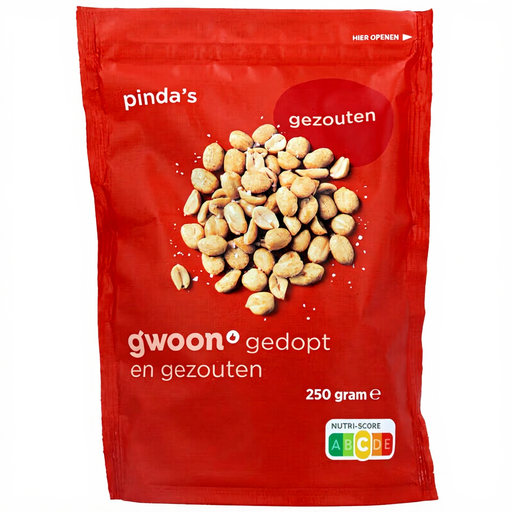
Why this fits the profile: A familiar 250g bag for anyone who wants to start with salted peanuts without complicated flavour combinations.
The product description states 99% peanuts. This makes it clearer what proportion comes from the main ingredient.
250 g; 99% peanuts; simple ingredients list with sunflower oil and 0.7% salt.

Why this fits the profile: For anyone who wants more than just salt at a drinks party and appreciates a crunchy layer with onion and garlic flavour.
The flavour direction and allergens are clearly stated. The product contains peanuts (50%) and wheat, so you can assess the coating more consciously.
275 g; crunchy coating; Provençal onion and garlic flavour; according to the product description, no artificial colours.
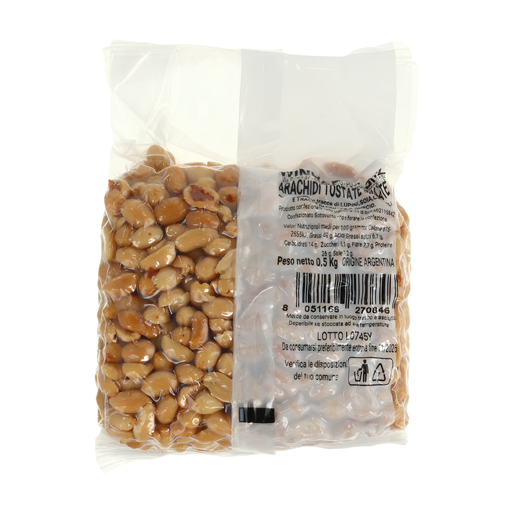
Why this fits the profile: A large size for fans of Asian peanut snacks, bulk buyers and groups.
The ingredients list is limited to peanuts and salt. Seal the pack well after opening to better preserve the crunchy texture.
500 g; dry-roasted peanuts; salt-baked flavour; ready to eat straight away.
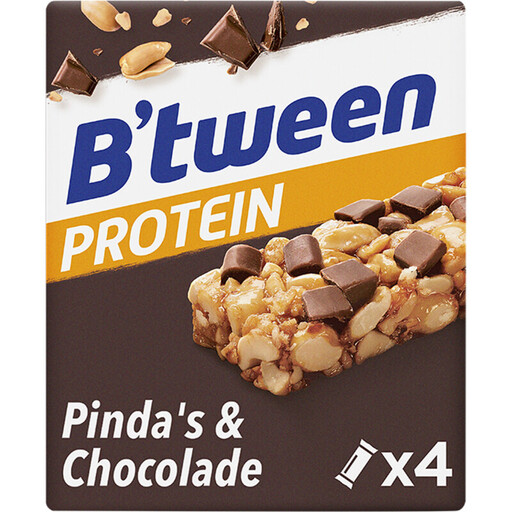
Why this fits the profile: Individually wrapped peanut bars are easy to take to work, school, on the train or for a day out.
The portions are individually wrapped. This means you don't have to take a large opened bag with you or eat everything quickly.
Four individually wrapped bars; 59% roasted peanuts according to the product information; combined with milk chocolate.
We've put together a full, up-to-date list of products that fully meet these strict selection criteria and current European safety regulations.
That depends on when you'll be eating them. A small bag of salted or spicy peanuts is handy for a quick snack break. For on the go, individually wrapped peanut bars are practical. If you want to share, choose a 250g pack or larger and check whether it's resealable.
Salted peanuts often consist largely of peanuts with oil and salt. Cocktail nuts usually have a crunchy layer of starch or flour with extra seasonings. So check the peanut percentage and the allergens. Cocktail nuts may contain wheat, milk or soya, for example.
Keep them cool, dry and well sealed, away from sunlight and moisture. For a large bag, use an airtight storage container if the original packaging doesn't seal properly. The shelf life after opening varies by product, so follow the instructions on the label.
