
Vandaag of morgen in huis

Kwaliteit gegarandeerd

Welkomstaanbiedingen ontgrendelen: GRATIS bezorging | Tot 80% korting | Gratis 30 dagen JoyPlus-proefperiode
Download de app
Peanut snacks might seem straightforward to compare, but the differences between roasted peanuts, protein bars, peanut butter and whey protein are significant. A product with “protein” on the packaging isn’t automatically right for your goal. Some bars contain relatively high amounts of sugar, while peanut butter delivers plenty of calories from fat. Milk, soya, gluten and other nuts can also be hidden considerations.
With this practical guide, you’ll focus on the information that really matters. That way, you can choose a peanut snack for on the go, after exercise or simply for home without relying solely on marketing claims.
A protein bar may contain plenty of protein, but also sweeteners, syrups, fats or a hefty amount of carbohydrates. So always compare the amount of protein per serving, not just the “high protein” text on the front.
With plain peanuts, the protein content is often around 24 to 29 grams per 100 grams. That doesn’t mean a handful of 30 grams also contains 24 grams of protein. A 30-gram serving provides roughly a third of that. So look at the nutritional information per recommended serving.
Peanuts are naturally low in sugar, but peanut butter and bars can contain extra ingredients. Check the ingredients list for sugar, glucose syrup, glucose-fructose syrup, dextrose and sweeteners.
A product with maltitol, sorbitol or erythritol may contain less sugar, but excessive consumption of certain sweeteners can have a laxative effect. That warning appears, for example, on various protein bars.
Peanuts and peanut butter are nutritious, but also energy-dense. A 500g or 1,000g bag might seem good value, but without portion control you can easily eat more than planned. For work, school or the gym, individually wrapped bars or pre-portioned amounts are often more practical.
For protein-rich snacks, compare at least these four values:
A protein bar can be handy after a workout, while a portion of roasted peanuts might suit someone looking for a simple product with few ingredients.
Always check the bold allergens on the packaging. Many peanut snacks contain peanuts, milk or soya. Some products may also contain traces of gluten, egg or other nuts.
If you consciously choose 100% peanut butter, look for an ingredients list with only peanuts. According to the product description, PCD Peanut Butter 350g is made from 100% peanuts and contains no added salt or sugar. Calvé Peanut Butter 100% also lists peanuts as the ingredient, but indicates possible traces of various nuts. That distinction matters if you have an allergy.
For bread, toast or smoothies, creamy peanut butter often works well. If you want extra texture, you can choose crunchy peanut butter or whole roasted peanuts. For on the go, individually wrapped protein bars are hygienic and easy to carry.
Also check the weight of bars. A bar of 55g, 60g or 74g can have a very different nutritional value per piece. So compare not just per bar, but where possible also per 100 grams.

Why this suits the profile: A simple peanut snack with one ingredient, suitable for home, the office or in a self-portioned amount for on the go.
According to the product description, these roasted peanuts are 100% peanuts and unsalted. This makes it easy to avoid extra syrups, flavourings and sweeteners.
26 g protein and 8.5 g fibre per 100 g according to the stated nutritional values; only 0.02 g salt per 100 g.

Why this suits the profile: Ideal for anyone looking for a versatile base for bread, crackers, smoothies, sauces or baking.
According to the product description, the ingredients list states only peanuts. So you don’t have to interpret a long list of added sugar, salt or oil.
26 g protein per 100 g and 0 g salt according to the stated table; stir the natural oil through the peanut butter before use.
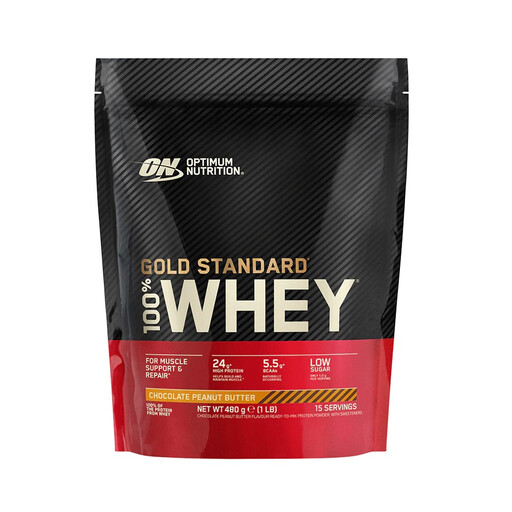
Why this suits the profile: For adults who want to top up their protein intake with a shake after training or between meals.
The nutritional values are stated per scoop: approximately 24 g protein, 1 g sugar and 117 kcal per 32 g serving. That makes comparing easier than just relying on the flavour name.
Whey blend with isolate, concentrate and hydrolysed whey protein; mix with 180–240 ml water or milk according to the product description.
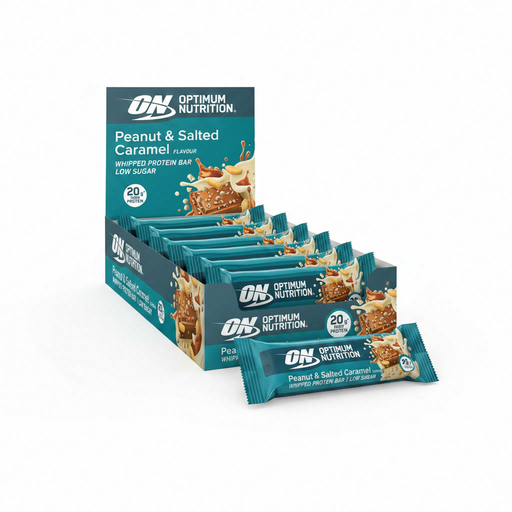
Why this suits the profile: An individually wrapped peanut snack for on the go, at the office, in the car or after exercise.
According to the product description, one bar contains 20 g protein and the sugar content is stated as low. Do check the actual packaging, as the stated serving size and nutritional values may vary by variant.
Contains milk, soya and peanuts; the product description states suitability for vegetarians and a combination of peanut pieces, caramel layer and crunchy bits.
We’ve put together a full, up-to-date list of products that fully meet these strict selection criteria and current European safety regulations.
That depends on your overall diet and the product. A protein bar or whey shake typically provides more protein per serving than a small handful of peanuts. Peanuts can work as a snack between meals. Do not use supplements as a replacement for a varied diet.
Individually wrapped protein bars are practical for on the go. You can portion roasted peanuts yourself in a sealed container. In warm weather, pay attention to storage advice and keep bars and peanut butter out of direct sunlight and heat.
Not for everyone. 100% peanut butter has a short ingredients list, but is energy-dense and contains peanuts as an allergen. If you want more flavour or a different texture, you can choose crunchy peanut butter or a salted variety. Always compare the ingredients, nutritional values and allergens on the packaging.
