
Vandaag of morgen in huis

Kwaliteit gegarandeerd

Welkomstaanbiedingen ontgrendelen: GRATIS bezorging | Tot 80% korting | Gratis 30 dagen JoyPlus-proefperiode
Download de app
Peanut snacks. The shelves are full of them, from classic coated nuts to adventurous Asian flavours. But how do you know if you're making a smart purchase? Many packages promise a unique taste experience, but the contents can be disappointing. As a Product Recommendation Officer at Joybuy, I'll help you cut through the marketing jargon and make a choice that suits your palate.
Before you tear open a bag, it's wise to consider a few common pitfalls:
To avoid buyer's remorse, you can focus on a few objective characteristics. These specifications provide a much clearer picture of what to expect than the marketing slogans on the front of the package.
The texture and fat content of peanut snacks are largely determined by their preparation.
Don't be guided by the name of the flavour alone. The ingredients list is your best friend. Look for specific herbs and spices.
The nutritional information table per 100 grams is the only way to compare products fairly. Pay special attention to:
Based on these criteria, we have selected a number of peanut snacks that cater to different preferences.
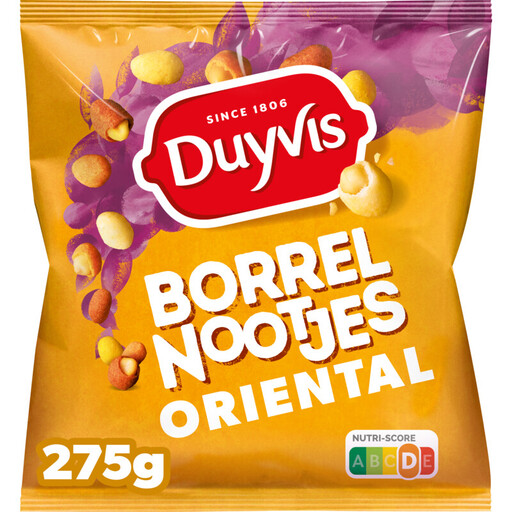
Why This Fits Their Persona: Perfect for those seeking a familiar and beloved snack for drinks or parties. The mild curry flavour is approachable and appeals to a wide audience.
This product avoids the pitfall of a vague flavour description. The ingredients list specifies the "curry flavouring" with spices like cumin, coriander, and turmeric. So you know exactly what you're getting.
A double-crunch texture thanks to the dough coating. The mild, recognisable flavour makes it a safe choice for gatherings.
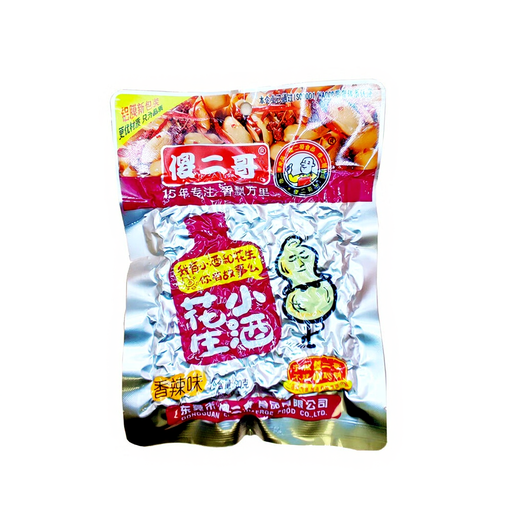
Why This Fits Their Persona: For the snack lover looking for an authentic, spicy flavour that goes beyond standard paprika seasoning. Ideal for those who appreciate genuine Sichuan cuisine.
The term "Spicy" is made specific here. The ingredients list explicitly mentions Chilli and Sichuan Pepper. This guarantees the characteristic tingling heat (málà) instead of a generic hot taste.
Authentic Sichuan flavour that is both spicy and slightly numbing. The fried peanuts provide an extra crunchy texture.
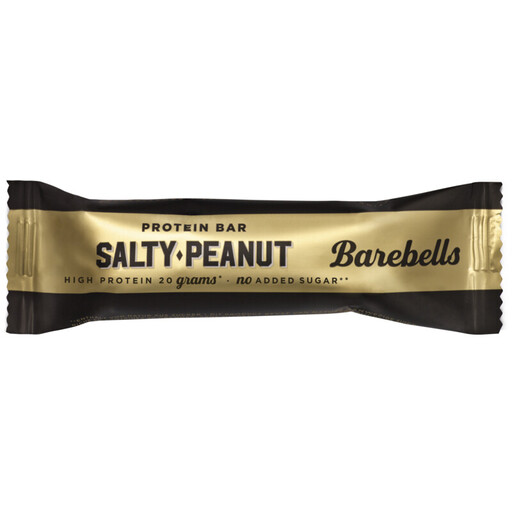
Why This Fits Their Persona: Designed for athletes or anyone looking for a high-protein snack to supplement their diet. It's a functional bar that combines great taste with a high protein content.
This bar bypasses the "healthy illusion" by being transparent. It's not a low-calorie snack, but a product with a specific purpose: to deliver protein. The nutritional values are clear: 37 grams of protein and only 2.7 grams of sugar per 100 grams.
Very high in protein and low in sugar. The combination of salty peanuts and milk chocolate provides a satisfying taste.
We have compiled a complete, up-to-date list of products that meet these selection criteria and current regulations.
The main difference is the doughy coating. Coated peanuts have a crunchy layer around the peanut, which often contains extra flavour. Roasted peanuts are 'plain': only the peanut itself is roasted and seasoned with salt or spices, without an extra shell. This results in a different texture and taste experience.
Look at the ingredients. Products that list specific types of peppers, such as chili pepper, cayenne pepper, or Sichuan pepper, are usually spicier than products that only list "spices" or "flavouring" on the label. The position in the ingredients list also gives an indication: the higher up the list an ingredient is, the more of it is in the product.
Not necessarily. It depends on the preparation method and the additives. A fried peanut with a sugary coating contains more calories and sugar than a dry-roasted peanut with a pinch of salt. Always compare the nutritional table per 100 grams to make an objective judgment about the fat, sugar, and salt content, rather than relying on the flavour name.
