
Calorie-conscious planners
If you want to keep eating peanuts and work out the energy content of your snack, weighing your portion and comparing like-for-like nutrition information can help you make a more informed choice.


Choose a type of peanut based on how much you actually want to eat, and compare the nutrition information per 100 g; unsalted doesn’t mean low in calories. The plain unsalted varieties reviewed contain 602–625 kcal per 100 g, while the European Commission allows a maximum of 40 kcal per 100 g for a ‘low energy’ claim on solid foods.
If you want to keep eating peanuts and work out the energy content of your snack, weighing your portion and comparing like-for-like nutrition information can help you make a more informed choice.
If you’re looking for a simple peanut snack, compare the ingredients and any added salt too; ‘unsalted’ alone tells you nothing about the energy content.
If you want to get several snack portions from one pack, check the pack size, how you’ll divide it up and the storage instructions on the packaging.
First decide whether you mainly want to weigh your portion, compare labels, check the ingredients or find a pack for several occasions.
| What to consider | What should you check? | Which consumers is this for? |
|---|---|---|
| Energy in your portion | Weigh the amount you eat and calculate kcal per 100 g × portion weight in grams ÷ 100. | If I want to know how much energy is in my snack, I weigh my portion rather than treating the label’s portion size as personal advice. Around 36% of consumers prioritise portion control. |
| Energy per equal amount | Compare the kcal per 100 g for the exact variety; a smaller portion doesn’t make a product low in energy. | If I want to compare varieties fairly, I compare the same amount and check what any claims mean. Around 29% of consumers prioritise comparing energy for the same weight. |
| Ingredients and allergens | Read the ingredients and allergen information, and check the salt content and whether there is a coating. | If I’m looking for uncoated, unsalted peanuts or need to take allergens into account, I check the packaging for that exact variety. Around 21% of consumers prioritise ingredients. |
| Packaging and storage | Check the net weight, storage instructions and price per kilo at the time of purchase. | If I’m buying snacks for several occasions, I want a pack that’s practical to portion and store. Around 14% of consumers prioritise pack size, storage and cost per amount. |
‘Unsalted’ describes the salt content, not the energy content. The plain unsalted peanuts reviewed contain far more energy than the threshold for a ‘low energy’ claim.
Check the energy information separately from the salt information, and calculate the energy in your weighed portion. For solid foods, the European Commission sets a maximum of 40 kcal per 100 g for a low-energy claim.
The portion size shown on a product page doesn’t have to match the amount you serve yourself.
Weigh your snack and use kcal per 100 g × the number of grams ÷ 100. Keep the total contents of the pack separate from the amount in one snack portion.
An energy value doesn’t tell you everything about the ingredients, salt or allergens. A coating, for example, changes the ingredients compared with plain peanuts.
As well as checking the energy, read the ingredients and allergen information for the exact pack. Use an energy-only comparison to compare that specific feature.
Duyvis offers unsalted peanuts and Oven Baked varieties, among others; check the pack to make sure you’re choosing the variety you want.
AH Unsalted Peanuts, 300 g, is a specific variety to assess by portion size and label.
Jumbo Unsalted Peanuts, 250 g, is a plain, unsalted variety with nutrition information per 100 g and per portion.
Lidl has a Dutch product page for unsalted peanuts.
ALDI lists 250 g packs of Trader Joe’s roasted, unsalted peanuts.
PLUS Unsalted Peanuts, 250 g, is a specific own-brand pack to compare using the label.
This selection includes unsalted, flavoured and roasted peanuts, including peanuts in their shells. Compare the ingredients, pack size and the amount you want to portion for each variety.
 No image available
This unsalted variety may suit you if you’re looking for plain peanuts with no added salt.
The product information lists 250 g, 99% peanuts and sunflower oil. Contains peanuts and may contain cashew nuts.
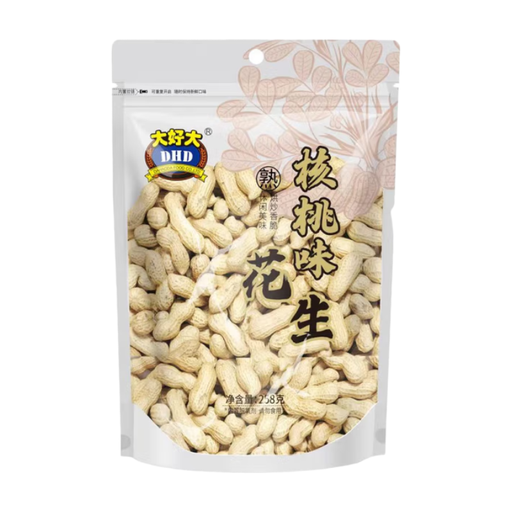 No image available
This variety may suit you if you’re looking for a peanut snack with a walnut flavour.
The pack contains 258 g. The product information lists peanuts, sugar, salt and walnut flavouring; the allergen information also mentions soya.
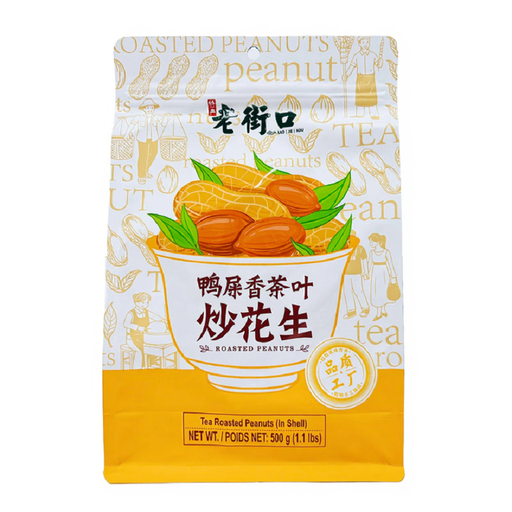 No image available
This roasted variety may suit you if you’re looking for tea-infused peanuts.
The pack contains 500 g. The ingredients list 96% peanuts, salt, tea, flavouring and sweetener.
 No image available
This variety may suit you if you’re looking for peanuts in their shells, for a snack or to use in dishes, for example.
The pack contains 500 g. The product information lists peanuts and nuts as allergens.
 No image available
This variety may suit you if you’re looking for roasted, unsalted peanuts and want to choose your own portion size.
The pack contains 210 g. The product title describes the peanuts as roasted and unsalted; the product information lists peanuts as an allergen.
Not just because you eat a smaller portion. For solid foods, the European Commission allows a maximum of 40 kcal per 100 g for a low-energy claim. The plain unsalted varieties reviewed contain 602–625 kcal per 100 g, according to product information from Jumbo, PLUS and Albert Heijn.
No. The Voedingscentrum uses 25 g as a quantity for calculations and gives an average of 157 kcal for unsalted peanuts at that amount. This isn’t personalised daily advice; calculate the energy for the amount you actually eat.
Check the ingredients and allergen information on the exact pack. The NVWA requires allergens to be clearly distinguished from the other ingredients. As well as peanuts, Duyvis Borrelnootjes cocktail contains wheat and milk; ingredients vary by product.
Follow the instructions on the packaging. Albert Heijn recommends storing AH Unsalted Peanuts in a cool, dark and dry place and closing the pack securely. For the 235 g pack of Duyvis unsalted peanuts, the product information recommends transferring the contents of an opened bag to a light- and airtight container.
No. Albert Heijn’s warning of 20 May 2026 applies only to AH Extra Large Salted Peanuts in a tub with a best-before date of 04-11-2026, due to possible metal fragments. Do not eat that specific pack; return it to an AH store for a refund. The warning doesn’t automatically apply to other best-before dates or to the unsalted bag reviewed here.