What should you look for when buying?
First check that the texture is suitable for a toddler. Then look separately at the organic labelling, ingredients and any allergen arrangements.
| What to consider |
What to check when buying |
Who is this relevant to? |
| Texture |
Do not choose whole peanuts for children under 4. Check how finely the peanuts are ground and whether there are any pieces, separately from the ‘100%’ claim. |
When I’m buying something for a toddler, I want to check that the texture is suitable first, rather than relying on the brand or certification. Around 36% of consumers put texture first when making this choice. |
| Organic production |
Check the EU organic logo, the control body’s code number and the stated agricultural origin. ‘Natural’ and ‘100% peanuts’ are no substitute for this labelling. |
I want to be able to identify organic production from the label, not just from words on the front. Verifiably organic production is the top priority for around 29% of consumers. |
| Ingredients |
Read the ingredients list and check whether salt or sugar has been added. A product name such as ‘natural’ does not necessarily tell you all the ingredients. |
When choosing a spread, I want to know what has been added to the peanuts. Ingredients are the deciding priority for around 21% of consumers. |
| Allergens and location policies |
Check the label for peanuts and any tree nuts separately. Ask the school or childcare setting about the arrangements for the group and mealtime in question. |
When I pack food for my child, I want to know whether it meets their allergy requirements and the location’s policy. Around 14% of consumers put allergy or location requirements first. |
Peanut butter options at Joybuy
These products include peanut butter with different ingredients and textures. For each variety, check that the texture, ingredients and organic labelling suit how you plan to use it for a toddler.
 No image available
PCD Peanut Butter 350g
This may suit you if you’re looking for a spread, but for a toddler check that it has a smooth texture and that the packaging displays the organic labelling you’re looking for.
Ingredients: 100% peanuts, with no added salt or sugar. The product description suggests using it as a spread, in smoothies, for baking and in cooking. According to the Netherlands Nutrition Centre, 100% peanut butter with no added salt or sugar is included in the Dutch Wheel of Five healthy eating guidelines.
View at Joybuy
 No image available
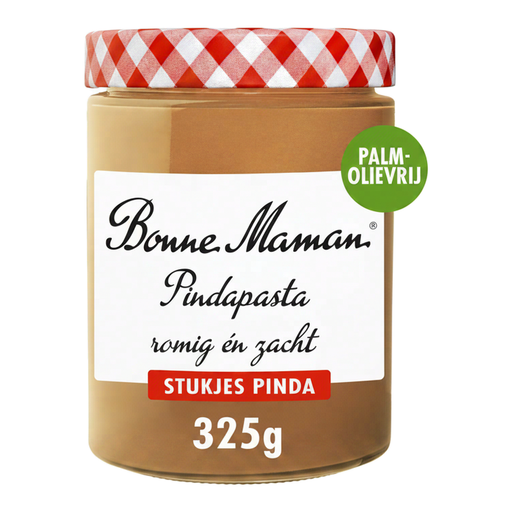
Bonne Maman Peanut Butter With Peanut Pieces - 325 g
This variety contains pieces of peanut, so check carefully whether the texture is suitable if you’re looking for finely ground peanut butter for a toddler.
Ingredients: 79% peanuts, with sugar and salt among the other ingredients. The product description suggests using it on toast and in porridge.
View at Joybuy
 No image available
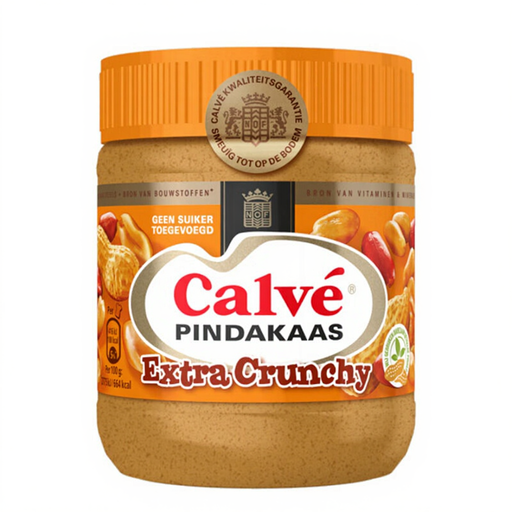
Calve Extra Crunchy Peanut Butter - 350 g
This extra crunchy variety is better suited to anyone looking for a crisp texture than to those specifically seeking smooth peanut butter for a toddler.
Ingredients: 85% peanuts, with oil and salt. The product description suggests using it on bread and crackers, or in smoothies.
View at Joybuy
Frequently asked questions
What does the EU organic logo tell you about peanut butter?
The logo can be used on organically certified products that meet the requirements. According to the European Commission, a product must contain at least 95% organic ingredients; additional conditions apply to the remainder. The control code and agricultural origin should also appear on the label alongside the logo.
Are peanuts and nuts the same on an allergen label?
No. Peanuts and nuts are separate allergens. The NVWA states that allergen information for prepacked products appears on the label, so check for peanuts and any tree nuts separately.
Can I take organic peanut butter to school or childcare?
Follow the rules at the relevant location. For example, OBS De Venen states that peanuts and nuts are not allowed anywhere in the school. This is a local policy, not a general ban across the Netherlands.
Can I mix peanut butter into a soft snack?
The Netherlands Nutrition Centre suggests mixing processed peanuts into mashed fruit or cooked vegetables. This advice does not mean you can give peanuts to a child with a peanut allergy.
What should I do if my child has a diagnosed peanut allergy?
Do not give your child the food they are allergic to, and follow the advice of their healthcare provider. Thuisarts also advises informing other carers; for severe allergies, this may include explaining how to use a prescribed adrenaline pen in an emergency.


