What should you look for when choosing?
First, check whether the nursery and any allergy arrangements allow peanut or nut butter. Then compare the texture, ingredients and how the jar should be used.
| What to consider |
What should you check? |
Who is this important for? |
| Age-appropriate texture |
Check that it is a spread and whether it contains hard pieces. Amsterdam UMC recommends nut butter rather than whole nuts for children under 4. |
When choosing a bread topping for a toddler or young child, you’ll want to know whether the texture is age-appropriate. Around 31% of consumers prioritise product format. |
| Allergens and nursery arrangements |
Read the ingredients and warnings on the current packaging, and make sure the product complies with the nursery’s arrangements. Peanuts and tree nuts are separate allergen categories. |
If a child has an allergy or the nursery is choosing products for a group, the ingredients and warnings need to match the arrangements in place. Around 31% of consumers put allergens and nursery arrangements first. |
| Protein and ingredients |
Compare the same quantity in grams, protein per serving, added salt and the ingredients list. Don’t use an adult reference intake as a guideline for children. |
When comparing regular peanut butter with a protein version, you’ll want to assess the protein figure alongside the rest of the ingredients. Around 25% of consumers give daily nutritional composition top priority. |
| Use and storage |
Check the pack size, any stirring instructions and the storage advice on the packaging. |
If you use the jar regularly as a bread topping, you’ll want the size and how it’s used to suit your routine. Around 13% of consumers focus mainly on everyday practicality. |
Peanut butter and nut butter at Joybuy
These products are peanut butters intended as bread toppings. Before using them at nursery, always check the exact ingredients, texture and allergen information on the packaging.
 No image available
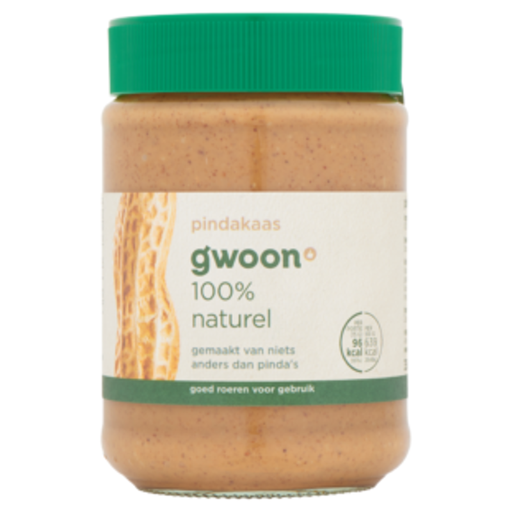
g'woon Peanut Butter 100% Natural, 350 g
A 100% peanut butter for spreading on bread. Check whether peanuts and any possible traces of nuts are compatible with the nursery’s arrangements.
g'woon product information lists 26 g of protein per 100 g, 100% peanuts and no added sugar, salt or oil.
View at Joybuy
 No image available
PCD Peanut Butter, 350 g
A peanut butter for spreading on bread. Only use it if peanuts are allowed under the nursery’s allergy arrangements and policies.
PCD product information lists 26 g of protein per 100 g, 100% peanuts and no added sugar or salt.
View at Joybuy
 No image available
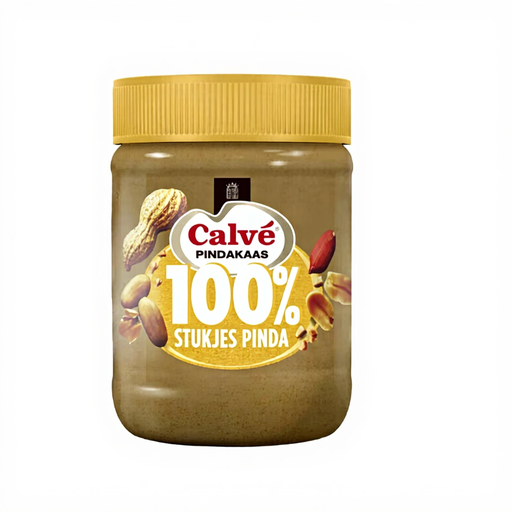
Calve Peanut Butter Nut 100%, 350 g
A 100% peanut butter for spreading on bread. Check the allergen information and storage advice on the packaging.
Calve product information lists 100% peanuts, no added sugar or salt, and advises storing in a cool, dry place.
View at Joybuy
 No image available
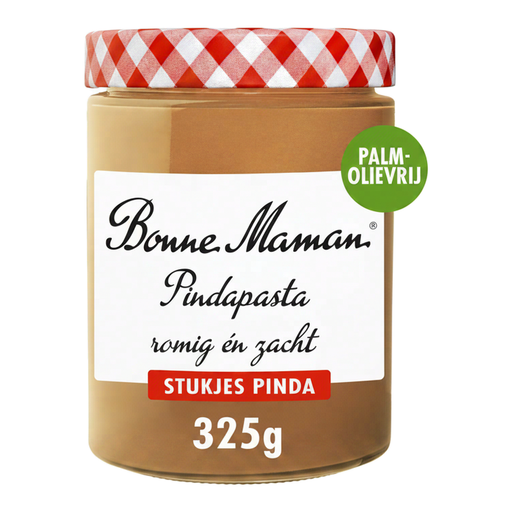
Bonne Maman Peanut Butter With Peanut Pieces, 325 g
This version contains pieces of peanut. Check the texture and ingredients before choosing it for a child or nursery group.
Product information lists 21 g of protein per 100 g, 79% peanuts, and sugar and salt in the ingredients list.
View at Joybuy
No image available
Calve Extra Crunchy Peanut Butter, 350 g
The coarsely ground peanuts give this version a different texture from smooth peanut butter. Bear the child’s age and the nursery’s arrangements in mind.
Calve product information lists 21 g of protein per 100 g, 85% peanuts, and added salt and oil.
View at Joybuy
Frequently asked questions
Can I pack whole nuts for my toddler to take to nursery?
Amsterdam UMC recommends nut butter with no added sugar or salt rather than whole nuts for children under 4, because of the risk of choking. This is nutritional and safety advice, not a legal age limit.
Is 100% peanut butter automatically smooth?
No. The 100% label alone doesn’t tell you whether it contains pieces. Lidl and ALDI describe versions with and without pieces, so check the full product name and texture.
Does ‘protein’ on the label prove that peanut butter will help my child recover after exercise?
No. A protein statement isn’t proof of a recovery benefit for a child. The Netherlands Food and Consumer Product Safety Authority distinguishes between nutrition and health claims. For health claims, it also considers factors such as the product’s composition and the scientific evidence.
How can I check whether peanut butter is suitable for someone with an allergy?
Read the ingredients and allergen information on the current packaging, then compare them with the arrangements for the child and nursery. The Netherlands Food and Consumer Product Safety Authority states that allergen information for pre-packed products appears on the label. Peanuts and tree nuts are separate allergen categories.
How should I store a jar of 100% peanut butter?
Follow the instructions for the exact version. PLUS recommends stirring before use and storing in a cool, dry place. For the AH Terra version examined, Albert Heijn advises storing it in a cool, dark, dry place.


