Who is this choice relevant to?

Parents putting together lunch for a young child

Form and ingredients are important considerations. The Netherlands Nutrition Centre advises against giving whole peanuts to children under 4 and suggests smooth peanut butter as an option for young children.

Childcare teams with allergy policies

When preparing lunch for several children, both allergen information and the policies at your childcare setting matter. The Netherlands Food and Consumer Product Safety Authority explains the requirement to provide allergen information; local policies can vary between settings.

Shoppers comparing protein per portion

A figure per 100 g doesn’t tell you how much protein is in a slice of bread with peanut butter. Jumbo lists 3.9 g of protein per 15 g portion for the variant reviewed; the reference intake on that product page is based on an adult.

What should you consider when choosing?

Smooth peanut butter

When: if peanuts are suitable for the child and allowed by the childcare setting, and you’re looking for a bread spread for a young child.

Bear in mind: peanut butter still contains peanuts; check the ingredients and allergen information.

Whole peanuts

When: not for children under 4; for older children, the choice also depends on safe eating and supervision.

Bear in mind: unsalted peanuts are still whole peanuts and contain the peanut allergen.

A bread spread without peanuts

When: if peanuts aren’t suitable because of an allergy or a childcare setting’s policy.

Bear in mind: check other ingredients and allergens too; the Netherlands Nutrition Centre lists egg, cottage cheese and unsalted bean spread among the options.

Sport or medical recovery

When: consider this separately in cases of intensive sport or increased nutritional needs, for example during recovery.

Bear in mind: general sports information and information about specific recovery nutrition don’t justify routinely giving children in childcare extra protein.

Consideration What should you look for? Who is it most relevant to?
Form and eating safely Consider the child’s age and the texture; for young children, choose smooth peanut butter. The Netherlands Nutrition Centre advises against giving whole peanuts to children under 4. When I’m putting together lunch for a young child, I first look for a suitable form and calm eating under supervision. Around 34% of consumers prioritise texture.
Allergens and childcare policies Check the ingredients, allergen information and the policies at your childcare setting. Peanuts and tree nuts are listed separately in the allergen information provided by the Netherlands Food and Consumer Product Safety Authority. If peanuts may not be suitable because of an allergy or a setting’s policy, I want to check the exact variant and the childcare setting’s rules. Around 33% of consumers prioritise suitability and allergens.
Protein per portion Compare the same quantity and check the energy content too. Jumbo lists 3.9 g of protein per 15 g of peanut butter; this isn’t a recommended portion for a child. If I want to know how much one slice of bread contributes, I look at the portion used rather than just the figure per 100 g. Around 20% of consumers start by looking at protein per portion.
Packaging and storage Check the net weight and follow the storage instructions for the variant. PLUS advises stirring the peanut butter before use; with 100% peanut butter, a layer of oil may naturally form. When spreading it regularly, I want packaging and instructions that suit everyday use. Around 13% of consumers focus mainly on packaging, stirring and storage.

Common buying mistakes

  • Choosing whole peanuts for their protein

    The Netherlands Nutrition Centre advises against giving whole peanuts to children under 4 because of the risk of choking. Their nutritional value doesn’t change that advice.

    Start by considering the child’s age and the texture of the food. Stay close while a child is eating, as the Netherlands Nutrition Centre advises.

  • Assuming ‘100%’ means allergen-free

    The label ‘100% peanut butter’ doesn’t mean the product contains no peanuts. The PLUS variant reviewed also states that it may contain cashews.

    Read the information on the exact packaging and follow the policies for the child and the childcare setting.

  • Reading the figure per 100 g as the amount on a slice of bread

    A figure per 100 g refers to more peanut butter than the stated 15 g portion. Jumbo lists 3.9 g of protein for that portion.

    Compare the amount you actually use and count the other parts of the lunch separately.

  • Using an old test rating as a current ranking

    Lidl’s product page refers to a test from May 2023 for its rating. The Consumers’ Association describes a taste test; it isn’t a current assessment of child safety or effectiveness for recovery.

    Use a historical taste test as background at most, and check the current product information for your situation.

Brands to consider

Duyvis

The Pinda’s Ongezouten range reviewed is a whole-peanut product, not a bread spread option for children under 4.

  • Duyvis lists a 235 g pack containing peanuts and sunflower oil, with no added salt.
  • The manufacturer states that it may contain traces of nuts. The description ‘responsible snack’ is a brand claim, not an independent assessment for young children.

Albert Heijn

The AH Terra Plantaardig 100% pindakaas naturel reviewed is the 1 kg variant.

  • The product information lists peanuts as an ingredient and 27 g of protein per 100 g.
  • Warnings about other nuts and the nutritional values apply to this variant, not to all Albert Heijn peanut butters.

Jumbo

The 100% Pindakaas Naturel reviewed comes in a 350 g jar, with values given per 100 g and per 15 g portion.

  • Jumbo lists 26 g of protein per 100 g and 3.9 g per 15 g.
  • The stated reference intake is based on an average adult, not a guideline for children.

Lidl

The Dutch product page describes 100% pindakaas naturel in a 600 g jar.

  • Lidl says it contains no additives, no added sugars and no palm oil.
  • The test rating on the page refers to May 2023 and isn’t a current quality or price ranking.

Aldi

The Dutch product page describes HELAES 100% pindakaas in a 350 g pack, available smooth or with pieces.

  • ALDI describes the ingredients as peanuts only.
  • The variants with and without pieces aren’t interchangeable when choosing a bread spread for a young child.

PLUS

The 100% peanut butter reviewed comes in a 350 g jar, with explicit instructions for use and storage.

  • PLUS lists 27 g of protein per 100 g and advises stirring before use.
  • The product information states that the variant may contain cashews. Oil separation is described as a natural occurrence.

Peanut butter at Joybuy

These Joybuy products are peanut butter variants for bread or toast. Check the texture, ingredients and allergen information for each variant, especially if the lunch is for a young child or a childcare setting with specific policies.

PCD Peanut Butter 350g

PCD Peanut Butter 350g

A peanut butter variant for spreading on bread or toast; not suitable if the childcare setting excludes peanuts.

The product description lists 100% peanuts and 26 g of protein per 100 g, with no added sugar or salt.

Joybuy
Calve Peanut Butter 100% - 350 g

Calve Peanut Butter 100% - 350 g

The description calls it finely ground, creamy peanut butter for spreading on bread; check whether the variant fits the childcare setting’s policies.

The ingredients list states 100% peanuts, and the nutrition table lists 26 g of protein per 100 g.

Joybuy
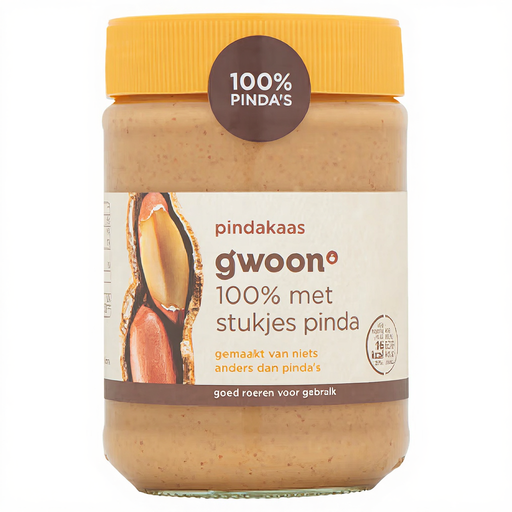
g’woon Peanut Butter 100% With Pieces - 350 g

g’woon Peanut Butter 100% With Pieces - 350 g

This variant contains pieces, so it isn’t the smooth option recommended for young children.

The product description lists 100% peanuts, with no added sugar or salt. Not suitable if the childcare setting excludes peanuts.

Joybuy
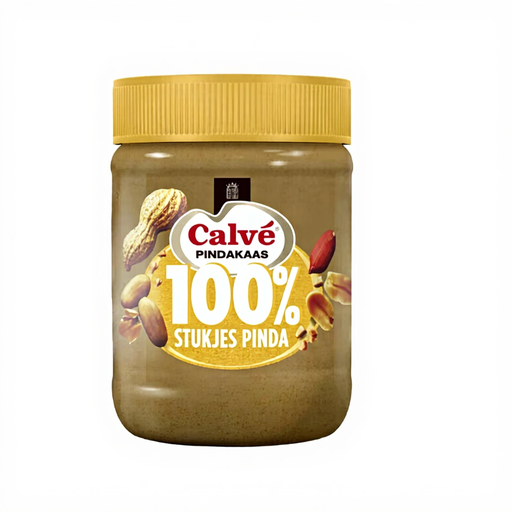
Calve Peanut Butter Nut 100% - 350 g

Calve Peanut Butter Nut 100% - 350 g

The product description calls it coarsely ground peanut butter for spreading on bread; this doesn’t confirm it as the smooth option for young children.

The ingredients list states 100% peanuts. Not suitable if the childcare setting excludes peanuts.

Joybuy
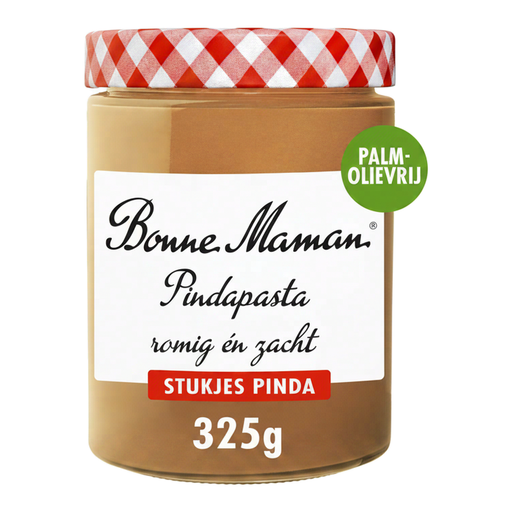
Bonne Maman Peanut Butter With Peanut Pieces - 325 g

Bonne Maman Peanut Butter With Peanut Pieces - 325 g

The product name specifies pieces; this isn’t the smooth option recommended for young children.

The product information lists sugar and salt, and 21 g of protein per 100 g. Contains peanuts and isn’t suitable if the childcare setting excludes peanuts.

Joybuy

Frequently asked questions

Is the advice to avoid whole peanuts a legal age restriction?

The Netherlands Nutrition Centre provides dietary and safety advice: don’t give whole peanuts or nuts to children under 4. Treat this age limit as advice and ask your childcare setting about its own policies.

What allergen information should I check?

Check the information on the packaging of the exact product and follow your childcare setting’s policies. The Netherlands Food and Consumer Product Safety Authority explains that allergen information for prepacked products appears on the label; this requirement alone doesn’t tell you whether a product is permitted at your childcare setting.

Can I automatically describe ordinary peanut butter as a ‘high protein’ product?

Don’t automatically use that term as a product claim. Nutrition claims must meet European requirements; when comparing products, use the nutritional information for the exact variant. A protein figure doesn’t prove a product-specific benefit for sport or recovery.

How much protein does peanut butter provide on one slice of bread?

It depends on how much peanut butter you use. The Jumbo variant reviewed lists 3.9 g of protein per 15 g; that’s the contribution from that amount of peanut butter, not from the whole slice or lunch, and it isn’t a recommended portion for a child.

Is a layer of oil on 100% peanut butter normal?

A layer of oil may naturally form in the PLUS variant reviewed; PLUS advises stirring before use. Also follow the storage instructions on the packaging.

Does a child in childcare need extra protein for sport or recovery?

General sports information doesn’t determine what an individual child needs. Amsterdam UMC describes increased needs in specific circumstances, such as illness or recovery after surgery; discuss any medical dietary changes with the healthcare professional responsible for the child, rather than treating this as standard lunch advice.
