
Parents introducing peanuts
You’re looking for a smooth option for those first tastes, not a bag of whole peanuts. The Netherlands Nutrition Centre recommends smooth peanut butter when introducing peanuts.


For introducing peanuts, the relevant option is smooth peanut butter with no added salt or sugar; whole peanuts are not a suitable snack for babies. A peanut product does not meet a requirement to avoid peanuts. If your child has severe eczema or an existing food allergy, speak to a healthcare professional before introducing peanuts.
You’re looking for a smooth option for those first tastes, not a bag of whole peanuts. The Netherlands Nutrition Centre recommends smooth peanut butter when introducing peanuts.
You distinguish between peanuts, tree nuts and additives. If your child has a confirmed peanut allergy, a product containing peanuts isn’t suitable; follow the dietary advice given by your healthcare professional.
You may be looking for a product with no added salt or sugar, for example, but you should also check its texture and any warnings about other allergens. GroeiGids recommends smooth peanut butter with no added salt or sugar when introducing peanuts.
Peanuts are legumes, not tree nuts, but they are an allergen in their own right. The Food Allergy Foundation therefore treats peanuts and tree nuts separately; first decide which substance you need to avoid.
| What to consider | What should you check? | Who is this important for? |
|---|---|---|
| Texture | For introducing peanuts, choose smooth peanut butter; don’t give whole peanuts to children under 4. | If I’m choosing peanuts for those first tastes, I want to know there are no pieces and how to serve the butter. Around 26% of consumers in this decision-making context prioritise texture. |
| Allergens | Check whether peanuts, tree nuts or another specific substance needs to be avoided; read the ingredients and warnings. | If a specific allergen needs to be avoided, I don’t want to rely on a claim such as gluten-free or lactose-free alone. Around 26% of consumers in this decision-making context prioritise avoiding an allergen. |
| Introducing peanuts | Check that introducing peanuts is appropriate for your child; if they have severe eczema or an existing food allergy, speak to a healthcare professional first. | If I want to introduce peanuts, I’m looking for a suitable way to serve the product and taking my child’s health into account. Around 21% of consumers in this decision-making context prioritise introducing peanuts. |
| Additives | Read the ingredients list and check separately whether salt and sugar have been added. | If I want to limit additives, I’m looking for a short ingredients list, but I still check the texture and allergens too. Around 16% of consumers in this decision-making context prioritise avoiding additives. |
| Use and storage | Compare the jar size with how much you’ll use, and follow the storage and usage instructions on the exact packaging. | If I’m buying the jar for regular use, I also consider its size and what I need to do after opening it. Around 11% of consumers in this decision-making context prioritise ease of use and storage. |
No added salt doesn’t change the fact that whole peanuts are whole. The Netherlands Nutrition Centre advises against giving whole peanuts or nuts to children under 4.
Check the texture first, and don’t choose whole peanuts to serve directly to a baby.
A product can be gluten-free or lactose-free and still contain peanuts. Some varieties also warn that they may contain tree nuts.
Match each free-from claim to the specific substance you need to avoid, and read the allergen warnings too.
A product with peanuts as its only ingredient can still contain pieces; Lidl describes peanut butter varieties both with and without pieces of nuts.
Check the texture of the exact variety. The Netherlands Nutrition Centre recommends smooth peanut butter when introducing peanuts.
Foodies’ 2024 taste test assessed flavour, not suitability for introducing peanuts or allergen content.
Don’t use a taste rating as a substitute for checking the texture, ingredients and allergens.
Duyvis Unsalted Peanuts are a peanut snack, not smooth peanut butter for introducing peanuts.
AH Terra Plant-Based 100% Natural Peanut Butter is the 350 g variety for anyone looking for a short ingredients list.
Jumbo’s 100% Natural Peanut Butter is worth considering if you’re looking for a simple recipe; the product page is for the 1 kg pack.
Lidl describes Maribel peanut butter varieties with and without pieces of nuts; the natural variety’s product page is for a 600 g pack.
ALDI’s product page lists HELAES 100% Peanut Butter in a 600 g pack.
PLUS 100% Peanut Butter is listed as a 350 g product variety.
These peanut butter options are products whose descriptions state that they contain peanuts and have no added salt or sugar. When introducing peanuts to a baby, always check the texture of the exact variety; none of these peanut products is suitable if you need to avoid peanuts.
 No image available
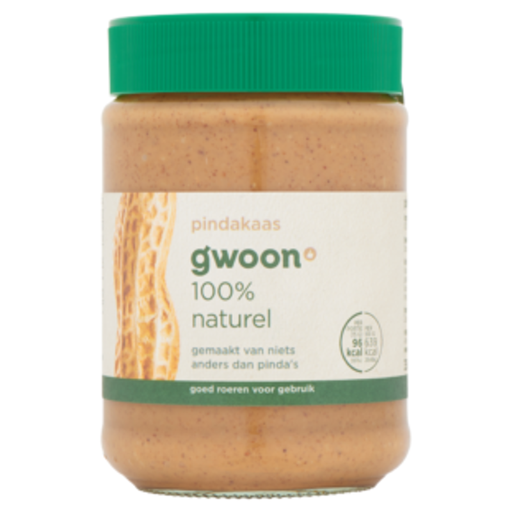
Ideal if you’re looking for peanut butter to use in a recipe and want to avoid added salt and sugar; only use it when introducing peanuts to a baby if the exact variety is smooth.
The product description states that it contains 100% peanuts, with no added salt or sugar, and can be used as a spread, in smoothies, for baking and in cooking.
Contains peanuts, so it isn’t suitable for anyone with a confirmed peanut allergy.
 No image available
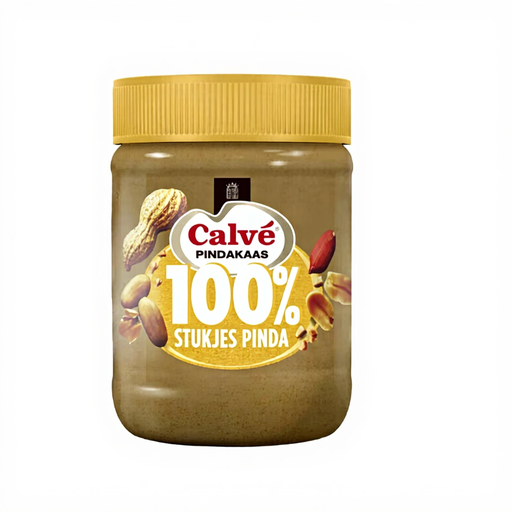
Ideal if you’re looking for peanut butter to spread or use in a recipe and want to avoid added salt and sugar; before introducing peanuts to a baby, check that the exact variety is smooth.
The product description states that it contains 100% roasted peanuts, with no added oil, salt or sugar. Suggested uses include smoothies, dips and baking.
Contains peanuts, so it isn’t suitable for anyone with a confirmed peanut allergy.
 No image available
Ideal if you’re looking for peanut butter to spread or add to smoothies and want to avoid added salt and sugar; before introducing peanuts to a baby, check that the exact variety is smooth.
The product description states that it contains 100% peanuts, with no added salt or sugar. It also warns that the product may contain traces of tree nuts.
Contains peanuts, so it isn’t suitable for anyone with a confirmed peanut allergy. Also take into account the warning that it may contain traces of tree nuts.
No, not if you need to avoid peanuts: peanuts are an allergen in their own right. A short ingredients list or a gluten-free or lactose-free claim doesn’t make the product suitable for someone with a confirmed peanut allergy.
The Netherlands Nutrition Centre recommends smooth peanut butter; whole peanuts and nuts aren’t suitable for children under 4. If your child has severe eczema or an existing food allergy, speak to a healthcare professional before introducing peanuts.
If your child has severe eczema or an existing food allergy, the Netherlands Nutrition Centre recommends speaking to their doctor or dietitian first. If your child has a confirmed peanut allergy, follow the dietary advice given by your healthcare professional and don’t give them food containing peanuts.
No. The percentage of peanuts doesn’t tell you whether the texture is smooth; Lidl describes varieties both with and without pieces of nuts. Check the exact variety, as the Netherlands Nutrition Centre recommends smooth peanut butter when introducing peanuts.
No. Those claims refer to gluten or lactose, not peanuts. Check the ingredients and allergen information for the exact variety; for example, the AH Terra Natural variety lists peanuts and may contain tree nuts.