For your baby, choose smooth peanut butter; whole peanuts aren’t suitable as baby food, even if they’re unsalted. A smaller jar works well if you’ll use less, while a larger one makes sense if the rest of your family will use it too. If your baby has severe eczema or a food allergy, speak to their doctor or dietitian before introducing peanuts.
Who is this choice relevant to?
Parents introducing peanuts
You’re looking for a way to serve peanuts as one of your baby’s first foods, including if they pick up food themselves. Texture and advice on introducing peanuts matter more than the packaging. The Netherlands Nutrition Centre recommends smooth peanut butter.
Families sharing one jar
You want to use the jar for your baby’s meals and the rest of the family too. Choose a size based on how much you’ll actually use; Jumbo offers plain varieties in 350 g, 600 g and 1 kg jars.
Households checking ingredients
You’re looking out for added salt or sugar and information about other allergens. If your baby has severe eczema or a food allergy, speak to their doctor or dietitian before introducing peanuts, as advised by the Netherlands Nutrition Centre.
What should you look for when buying?
First check that the peanut butter is suitable to offer your baby, then choose a jar size that suits how much your household will use.
| What to consider |
What should you look for? |
Who is this most relevant to? |
| Texture and introduction |
Choose smooth peanut butter for your baby and follow the Netherlands Nutrition Centre’s advice on introducing peanuts. |
When I offer peanuts for the first time, I want to choose a form that’s suitable for baby food. Around 36% of consumers prioritise a safe texture and advice on introduction. |
| Jar size |
Compare the jar size with how much your baby and the rest of your family will actually use. |
If we don’t eat much peanut butter at home, I don’t want to buy a larger jar than we can finish. Around 29% of consumers give the right quantity top priority. |
| Ingredients |
Read the ingredients list and check whether salt or sugar has been added. |
If I’m looking for a simple recipe, I want to be able to see what’s in it from the ingredients list. Around 21% of consumers focus mainly on the ingredients and any added salt or sugar. |
| Allergens and taking food with you |
Read the ingredients and any warnings; ask your child’s school or childcare provider about its policy. |
If food is being shared or taken somewhere, I want to take allergens and the rules at that location into account. Around 14% of consumers give the allergen context the greatest weight. |
Common pitfalls
-
Choosing a bag of whole, unsalted peanuts as baby food
Unsalted peanuts are still whole peanuts. GroeiGids warns that young children who aren’t yet able to chew well can choke on them.
Choose smooth peanut butter for your baby. Keep whole peanuts separate from your baby’s food.
-
Assuming ‘100%’ means smooth or free from other allergens
‘100%’ doesn’t automatically tell you the texture or whether other allergens are present. PLUS says its 600 g jar may contain cashew nuts; Lidl describes varieties both with and without pieces.
Check the texture, ingredients and warnings on the packaging for each variety.
-
Automatically choosing the largest jar
A larger jar is only suitable if your household will use it all; otherwise, you may have peanut butter left over.
Choose a jar size to match how much your family is likely to use.
You’ll need to use more peanut butter before you finish a larger jar.
-
Taking an old taste test as advice on suitability for babies
The 2023 Consumentenbond test assessed the taste of peanut butter, not whether it was suitable for babies.
Choose peanut butter for your baby based on the recommended texture and advice on introduction, not on a taste award.
Brands worth comparing
Albert Heijn
According to Albert Heijn, AH Terra Plant-Based 100% Plain Peanut Butter comes in a 600 g jar.
- Albert Heijn describes this plain variety as made with peanuts only.
- This information applies to the variety mentioned and isn’t an assessment of its suitability for babies.
Jumbo
Jumbo’s 100% Plain Peanut Butter is available in 350 g, 600 g and 1 kg packs.
- The product pages list peanuts as an ingredient.
- Choose a size that suits your family’s needs; a larger jar doesn’t change the recommended texture for your baby.
Lidl
Lidl describes its Maribel range as available with and without pieces; the plain variety comes in a 600 g jar.
- The different varieties make it important to check the texture on the packaging.
- The reference to a 2023 taste test isn’t current advice on baby food.
Aldi
ALDI’s range information lists HELAES 100% Peanut Butter in 350 g and 600 g jars.
- There are two jar sizes to choose from, depending on how much your family uses.
- The jar sizes alone don’t tell you the texture or whether every variety is suitable for babies.
PLUS
According to the product information, PLUS 100% Peanut Butter is available in a 600 g jar.
- The ingredients list includes peanuts; PLUS explains that the oil may separate naturally and the contents may need stirring.
- The product information says the jar may contain cashew nuts. Check the current packaging.
Duyvis
Duyvis describes its unsalted peanuts as a snack and an ingredient for cooking.
- The brand describes them as suitable for snacking and cooking.
- Whole peanuts aren’t suitable to serve directly to babies, even if they’re unsalted.
Peanut butter at Joybuy
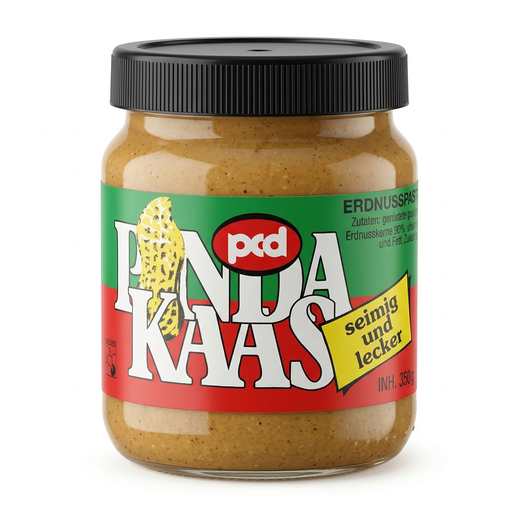
A 350 g jar of peanut butter for anyone looking for a smaller pack. Before serving it as baby food, check the texture and ingredients on the label.
 No image available
PCD Peanut Butter 350 g
The 350 g jar may suit you if you’re looking for a smaller pack. For baby food, check the label to see whether the peanut butter is smooth and contains no added salt or sugar.
View at Joybuy
Frequently asked questions
Should you wait until your baby can eat pieces of peanut during baby-led weaning?
No, don’t wait until your baby can eat pieces of peanut: the Netherlands Nutrition Centre recommends smooth peanut butter when introducing peanuts. GroeiGids warns against giving whole peanuts to young children because of the risk of choking.
What changes if your baby has severe eczema or a food allergy?
Speak to your child’s doctor or dietitian before introducing peanuts. The Netherlands Nutrition Centre advises starting before the age of 6 months if your baby has severe eczema or a food allergy; individual advice is still important.
Is 100% peanut butter automatically free from other allergens?
No. The PLUS product information for its 600 g jar lists peanuts as an ingredient and says the product may contain cashew nuts. Check the ingredients and precautionary warnings separately.
Should you throw away a jar if there’s a layer of oil on the peanut butter?
Not just because of the oil. PLUS says oil may separate naturally in peanut butter made with peanuts only and recommends stirring it before use. Also follow the storage instructions on the jar.
How big should the jar be if you keep serving peanut butter after introducing it?
Choose a size based on how much your whole family will use. GroeiGids recommends continuing to give peanut butter weekly once you’ve built it up gradually, so you don’t automatically need a large family-sized jar just for your baby.


