
Vandaag of morgen in huis

Kwaliteit gegarandeerd

Welkomstaanbiedingen ontgrendelen: GRATIS bezorging | Tot 80% korting | Gratis 30 dagen JoyPlus-proefperiode
Download de app
Peach snacks come in many forms: from classic peach sweets and soft peach gummies to Korean konjac jelly, Japanese peach sweets, Taiwanese desserts and peach drinks. The wide range makes choosing enjoyable, but it can also be confusing. For example, packaging showing juicy white peaches does not automatically mean that the product contains a high proportion of fruit.
The following purchasing pitfalls are common:
First, choose the format that suits how you plan to use it:
A higher fruit percentage provides information about the composition, but it does not automatically indicate how the flavour will taste. So also check:
According to the product information, ENNJOI Peeling Gummy 2.0 Peach Flavor contains 8.5% concentrated peach juice, equivalent to 50% pure fruit juice. It lists 66.5 grams of sugar per 100 grams. This makes the gummy particularly suitable for those who enjoy a distinctly sweet snack.
When comparing drinks, it is important to look at the figures per 100 ml. According to the product specification, HTB Bongbong Peach Juice contains 5% peach pulp and 0.5% peach concentrate. Its nutritional value is 85 kcal and 19 grams of sugar per 100 ml. JENI Peach Syrup is intended to be diluted; use the recommended ratio on the packaging before estimating the nutritional value of a glass.
Always check the complete packaging, especially when buying Asian peach snacks and imported products. Look out for:
Extra care is needed with jelly products and gummies when serving them to young children. Follow the age recommendations, cut larger pieces into smaller portions if necessary, and always make sure children eat calmly.
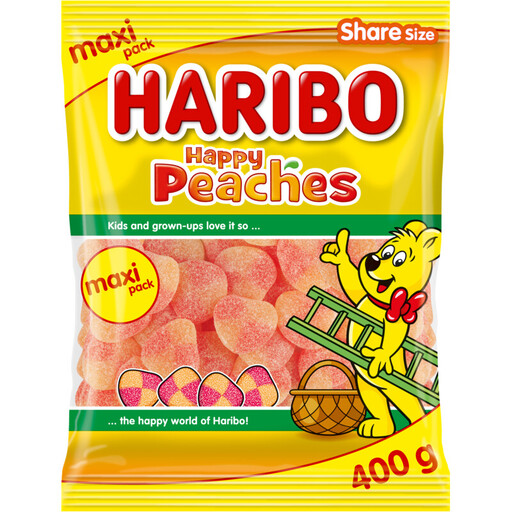
Why it suits this profile: The 400-gram bag is ideal for sharing during a film night, birthday celebration or visit from friends. Its familiar soft shape makes it an easy choice.
The packaging clearly states the nutritional values: 349 kcal and 63 grams of sugar per 100 grams. This makes it easier to put the large pack size into perspective.
400 grams; soft peach sweets; according to the product information, free from artificial colourings.
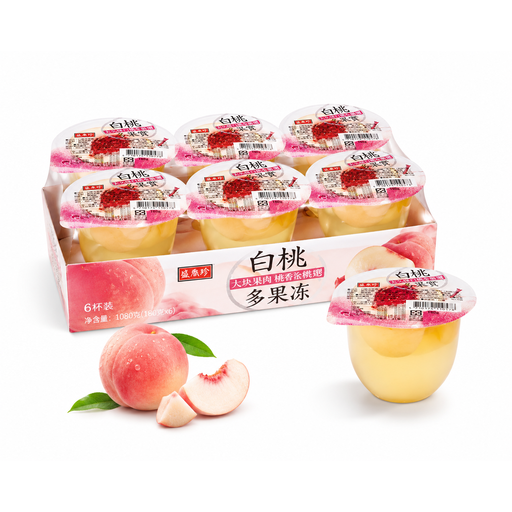
Why it suits this profile: The six individual cups are ideal as a chilled dessert at home, with a meal or as a Taiwanese peach dessert experience.
The fruit content is stated clearly: 8% white peach. The portions are also individually packaged, making the total contents of 1.08 kg easier to manage.
Six 180-gram cups; pieces of white peach; according to the product information, made in Taiwan.
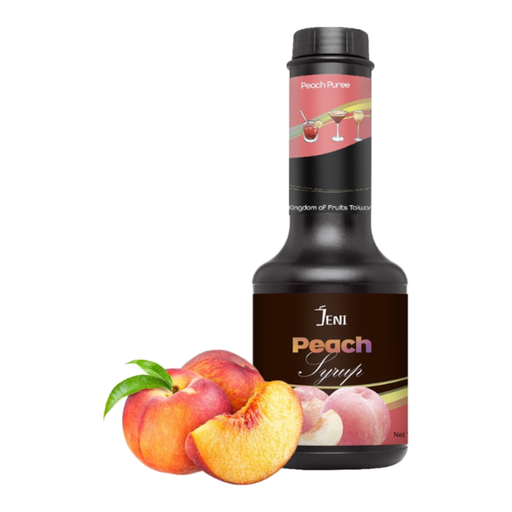
Why it suits this profile: This peach syrup is designed for squash, sparkling water, mixed drinks and desserts. The bottle is a good choice for households that want to prepare several servings.
The product information clearly states that the syrup must be diluted. You can control the amount of syrup in each glass and reduce waste.
456 ml/600 g; suitable for drinks and desserts; according to the product information, free from artificial colourings and preservatives.
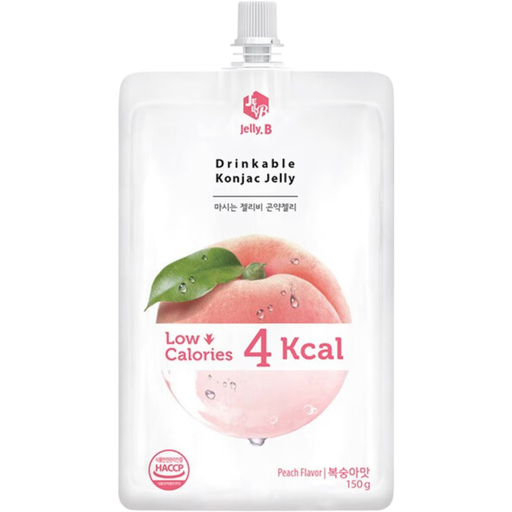
Why it suits this profile: The 150 ml pouch is light and easy to take to work, school or wherever you are heading. Its soft jelly texture is different from traditional peach sweets.
The serving size and nutritional value are clearly stated: 10 kcal and 2 grams of sugar per 100 ml according to the product information. Always check the current packaging, however.
Convenient 150 ml pouch; contains konjac powder and peach juice concentrate; according to the product information, free from the 14 major EU allergens.
We have put together a complete, up-to-date list of products that fully meet these strict selection criteria and the applicable European safety regulations.
Peach jelly is a broad product category with a soft, gel-like texture. Konjac jelly uses konjac powder as part of the gelling mixture and is often sold in a squeeze pouch. For both types, check the serving size, sweeteners, fruit content and any safety instructions.
Unopened sweets, mochi, cake and preserved fruit should generally be stored in a cool, dry place away from direct sunlight, unless the label states otherwise. After opening, syrup should be sealed and jelly products or opened fruit products will often need to be refrigerated. Always follow the instructions on the packaging and do not use packaging that is damaged.
That depends on the product. Gummies and sweets may contain gelatine, colourings or allergens. Jelly in a pouch has a different texture from a solid snack. Check the age information, warnings and ingredients list. For products containing colourings such as E102 or E129, the product information states that a warning for children is included.
