
Vandaag of morgen in huis

Kwaliteit gegarandeerd

Welkomstaanbiedingen ontgrendelen: GRATIS bezorging | Tot 80% korting | Gratis 30 dagen JoyPlus-proefperiode
Download de app
The sweet, juicy flavour of a peach is hard to resist. Whether you're craving a refreshing drink, a chewy candy, or a soft dessert, the selection of peach snacks is vast. But this abundance can also be overwhelming. Packaging promises "natural flavour" and shows idyllic pictures, but the contents can sometimes be a letdown.
As a Joybuy Product Recommendation Officer, I'm here to help you cut through the marketing jargon. We'll look at the common pitfalls you might encounter, so you can make a choice that's truly right for you.
Common pitfalls when choosing peach snacks:
peach drink with nata de coco has chewy, gelatinous cubes, while a konjac jelly has a unique, springy texture. If you're not expecting this, it can be off-putting.canned peaches are created equal. The difference often lies in the amount of sugar in the syrup and the percentage of actual fruit.To avoid these pitfalls, it's helpful to pay attention to a few specific details. This will help you quickly assess what you're really getting.
One of the clearest indicators of quality is the percentage of fruit, peach juice, or peach pulp. This is legally required to be listed in the ingredients. A higher percentage generally means a richer, more authentic fruit flavour. Products with less than 5% fruit juice often rely heavily on added sugars and flavourings. So, take a quick look at the back of the package; it will immediately give you a good idea of the flavour intensity.
Texture defines a large part of the eating or drinking experience. Think about what you're in the mood for:
nata de coco (coconut jelly) or pieces of peach pulp offer a combination of drinking and chewing. This is popular in many Asian snacks and beverages.Konjac jelly is known for its firm, springy texture and is often less sweet. Other jellies are softer and tend to melt in your mouth.Not all peaches are the same. White peaches often have a more subtle, floral flavour, while yellow peaches are typically sweeter and more robust. Japanese and Korean snacks often use white peach for a refined taste, while other products leverage the bold flavour of yellow peach. The product description often provides a clue about this.
Below are a few popular choices, matched to different preferences.

Why This Fits Their Persona: Perfect for those looking for a thirst-quencher that offers more than just flavour. The combination of sweet peach juice and a surprising texture makes this an interesting choice for a hot day or as an alternative to standard soft drinks.
This product is transparent about its contents. The name and description explicitly mention the nata de coco, so you know exactly what unique texture to expect. No surprises here.
Combines a sweet peach flavour with the chewy texture of coconut jelly, creating a playful and layered drinking experience.
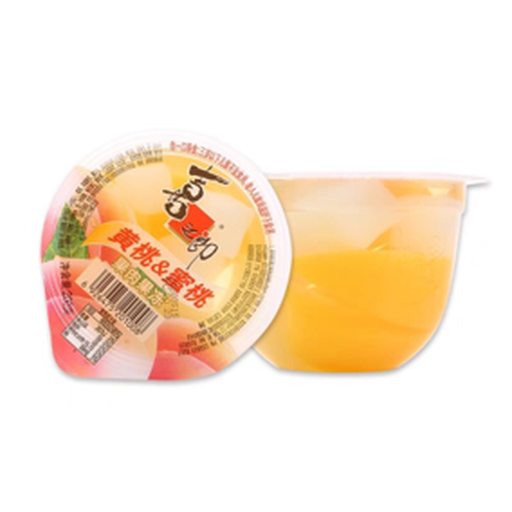
Why This Fits Their Persona: Ideal for those who want to enjoy a sweet treat instantly, without any fuss. This ready-to-eat peach jelly in a convenient cup is a perfect snack for home or the office.
The description highlights "Real Fruit Chunks" and the use of konjac flour. This sets the right expectation: a springy jelly with real fruit pieces, thus avoiding the "unexpected texture" pitfall.
Contains real peach chunks and coconut puree for a full flavour. The texture is springy and melts in your mouth, a hallmark of high-quality konjac jelly.
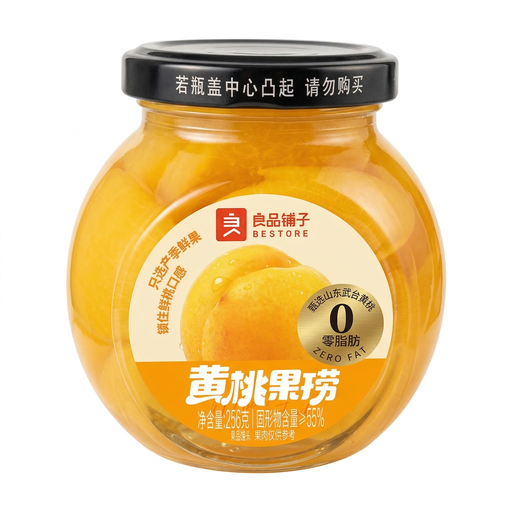
Why This Fits Their Persona: For those who love the pure taste of peach. This is a modern take on classic canned peaches, but in a convenient jar. It's ready to eat, but also versatile enough to use in yoghurt, with ice cream, or in baked goods.
This product tackles the "unclear contents" pitfall by clearly specifying that it consists of over 55% peaches. This ensures you're buying a product that is rich in fruit, not just syrup.
High fruit content for a full, authentic flavour. The light syrup is not overly sweet, allowing the natural flavour of the peach to shine through.
We've curated a complete, up-to-date list of products that meet these selection criteria.
While both have a gelatinous texture, they are different. Nata de coco is made from fermented coconut water and has a firm, chewy bite. It's often added in cubes to drinks and desserts. Konjac jelly is made from the konjac plant and has a more resilient, sometimes almost rubbery, texture. It is often used as a low-calorie alternative in snacks.
For most products, such as drinks, jellies, and peaches in syrup, you should store them in the refrigerator after opening. Seal the package tightly and consume the product within the timeframe indicated on the packaging, usually within 24 to 48 hours, to ensure freshness. Dry snacks like peach candy are best stored in a sealed bag or container in a cool, dry place.
That really depends on the product. In general, the flavour balance in many Asian snacks is different. Some Japanese snacks, for example, aim for a subtle, refined sweetness that highlights the fruit's flavour. Other products, however, can be very sweet. It's worth checking the ingredients list for the amount of sugar or the presence of high-fructose corn syrup, which is often an indicator of high sweetness.
