
Vandaag of morgen in huis

Kwaliteit gegarandeerd

Welkomstaanbiedingen ontgrendelen: GRATIS bezorging | Tot 80% korting | Gratis 30 dagen JoyPlus-proefperiode
Download de app
When searching online for peach products, you can quickly come across a long list of juice, sweets, jelly, tinned fruit and Asian snacks. The differences are not limited to taste. Peach content, sugar levels, allergens, serving size and shelf life also determine whether a product is right for your household.
The front of the packaging often features a large peach, while the product itself mainly contains water, sugar, flavouring or another fruit juice. So always check the ingredients list and the order in which the ingredients appear. They are generally listed from the largest to the smallest quantity.
The difference can be significant for drinks:
A product with a clear fruit profile tastes different from a soft drink with a subtle peach note. Neither is automatically the right choice; it depends on when and how you intend to use it.
Always compare the nutritional values per 100 ml or 100 grams. Huiyuan lists 10 grams of sugar per 100 ml, while DubbelFrisss Apple Peach contains 5.5 grams of sugar per 100 ml. Sweets and mochi often contain more sugar per serving.
Also look out for terms such as syrup, fructose syrup, maltose and sugar. Peach squash is designed to be diluted, so its nutritional value per glass differs from that of 100 grams of concentrate. Follow the mixing ratio on the packaging.
Tinned peaches or peaches in syrup are handy for desserts and storing in the cupboard, but check the drained weight if it is provided. The total contents also include water or syrup. For multipacks of jelly, mochi or drinks, the price per item is often clearer than the price per pack.
Also check:
First, choose the format that suits how you plan to use it:
If you are looking for a firm fruit texture, it is better to choose peach halves or pieces. For eating on the go, individual jelly cups, pouches or sweet packets are more practical.
Read the full product information, even when the front states “allergen-free” or makes a similar claim. For example, the product pages state that:
Extra care is needed with products intended for young children. A sweet, jelly or chewy snack can pose a choking risk if a child does not chew it properly. Always follow the age recommendation, warnings and preparation instructions on the packaging.
Juice and peach drinks usually need to be refrigerated after opening and consumed within the stated period. According to the product information, Huiyuan recommends refrigerating the drink after opening and consuming it within 3 to 5 days. An opened tin of peaches or a jelly cup likewise requires you to follow the instructions on the packaging.
Baby food is subject to separate rules. According to the product information, Nestlé Yogolino Peach is suitable from 6 months; after opening, it must be refrigerated and used within a maximum of 24 hours. Always check the current packaging, as product information may change.
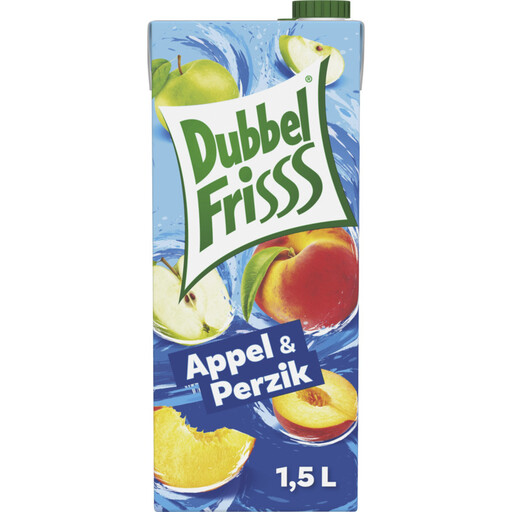
Why it suits this profile: A large bottle for everyday use, with an apple and peach flavour and 23 kcal per 100 ml according to the product information.
The fruit percentage and peach content are clearly stated: 15% fruit juice, of which 1.1% is peach. This makes it clear that you are buying a fruit drink rather than pure peach juice.
1.5 litres, 5.5 grams of sugar per 100 ml and none of the 14 major EU allergens according to the product information.
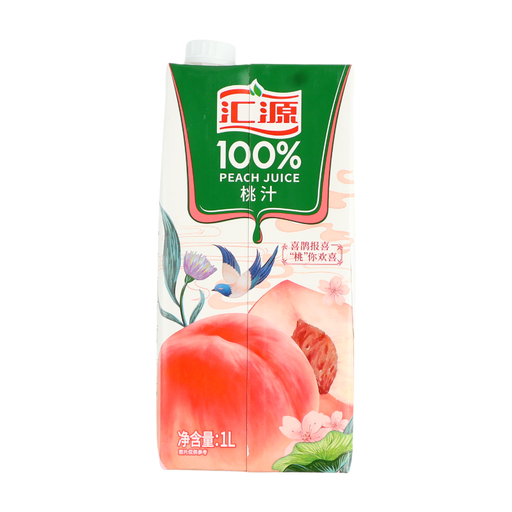
Why it suits this profile: Ideal if you are looking for a chilled drink with peach pulp and prefer to compare a short ingredients list.
The product information lists water, peach pulp and concentrated peach juice as ingredients. This makes the composition easy to check.
1 litre, ready to drink and 43 kcal per 100 ml. According to the product information, it contains 10 grams of sugar per 100 ml.
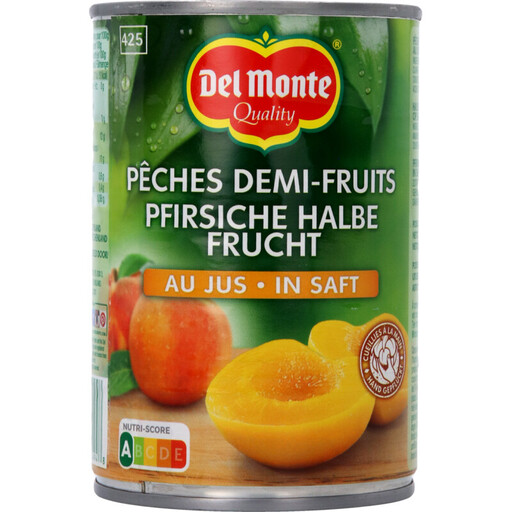
Why it suits this profile: Handy if you use peaches in syrup or juice in cakes, fruit salads, yoghurt and hot or cold desserts.
The peach halves are suitable for a range of uses, and the ingredients list peach, clear pear juice from concentrate and citric acid. According to the information provided, the product contains no added sugar.
415 grams, 52 kcal per 100 grams and 0.9 grams of fibre per 100 grams according to the nutritional information.
We have compiled a complete, up-to-date list of products that fully meet these strict selection criteria and the applicable European safety regulations.
Peach juice generally contains a higher proportion of peach ingredients, while a peach drink may also contain plenty of water, sugar, flavouring or another fruit juice. Check the ingredients and the fruit percentage per 100 ml.
This varies from product to product. Opened drinks should generally be refrigerated, and you should follow the timeframe stated on the label. For example, Huiyuan states 3 to 5 days after opening. If in doubt, use the packaging as your guide.
That depends on the product and the age recommendation. Baby food such as Nestlé Yogolino has a specific recommendation from 6 months. Sweets, mochi and jelly may be less suitable for young children because of their shape or texture. Check the allergens and warnings, and supervise children while they are eating.
