
Vandaag of morgen in huis

Kwaliteit gegarandeerd

Welkomstaanbiedingen ontgrendelen: GRATIS bezorging | Tot 80% korting | Gratis 30 dagen JoyPlus-proefperiode
Download de app
Cold peach iced tea is handy for home, on the go or at a party. Yet many varieties look more alike than they really are. The main differences lie in sugar, calories, packaging, volume and how you plan to use the drink.
When buying, do not focus solely on a well-known brand name or an attractive offer. A large pack can be inconvenient if you do not drink much, while individual cans can create relatively more packaging waste. Terms such as “light”, “low calorie” or “natural flavour” do not always tell the whole story either.
A pack containing several bottles or cans can reduce the price per litre, but only if you use the contents in good time. For everyday use, 1.5-litre iced tea is practical. For a picnic, the office or a party, smaller cans are often easier to hand out.
So compare the price per litre, not just the pack price. An iced tea multipack of 12 cans, for example, contains 3.96 litres, while a pack of 6 1.5-litre bottles contains 9 litres in total.
Check the ingredients list. In several varieties in the range, the proportion of peach juice from concentrate is approximately 0.1%. The flavour also comes from flavourings and tea extract. This is neither good nor bad, but it helps avoid mistaken expectations about a drink with a strong fruit flavour.
A low-calorie iced tea can still contain sugar. Lipton Peach Iced Tea, for example, lists 13 kcal and 3 grams of sugar per 100 ml. The standard g'woon variety lists 16 kcal and 3.8 grams of sugar per 100 ml. If you are specifically looking for sugar-free iced tea, check the nutritional information and ingredients list.
Look at the figures per 100 ml as well as for the total pack. A 1.5-litre bottle containing 3 grams of sugar per 100 ml contains approximately 45 grams of sugar per bottle based on the label. Figures may vary between varieties.
g'woon Ice Tea Peach Zero lists 0 kcal and 0.1 grams of sugar per 100 ml. According to the product information, this variety uses sucralose and acesulfame K as sweeteners. This makes it suitable for shoppers who are mainly watching their sugar and energy intake, although the taste may differ from that of a sweetened peach iced tea.
If you prefer a smooth drink, choose still iced tea. Lipton Peach Iced Tea is described in the supplied product information as a non-carbonated drink. Always check the current packaging, as product information and recipes may vary between varieties.
A carbonated can or bottle may be a better choice if you are expecting a sparkling soft drink. So look for terms such as “carbonated”, “sparkling” or “non-carbonated” on the label.
At home, 1.5-litre bottles are efficient when serving several glasses. A resealable cap is practical too. Once opened, the bottle should be refrigerated and used within the stated period, according to the product information.
Small cans and bottles are convenient for portion control and taking with you. With products from abroad, pay extra attention to the language of the ingredients list, allergen information and storage instructions. The product page is a useful guide, but always check the physical label before consumption.
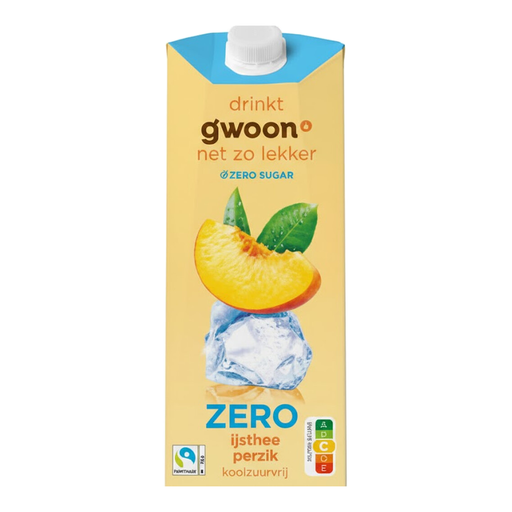
Why it suits this profile: A 1.5-litre bottle is easy to manage at home, and the product information lists 0 kcal per 100 ml.
The nutritional information makes it clear that this is a sugar-free variety according to the product label, rather than relying on a general calorie claim alone.
0 kcal per 100 ml; 1.5-litre volume; none of the 14 major EU allergens listed.
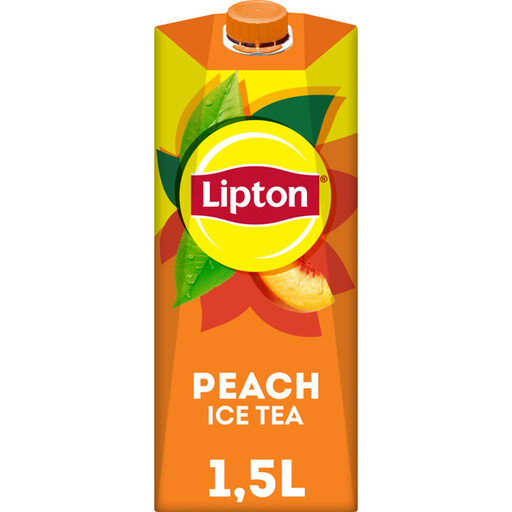
Why it suits this profile: Ideal if you are looking for a familiar peach iced tea in a large bottle to share chilled.
The product information describes the drink as non-carbonated and lists the nutritional values, so you can check the style of drink and sugar content.
13 kcal and 3 grams of sugar per 100 ml; 1.5-litre volume; according to the product information, free from colourings and preservatives.
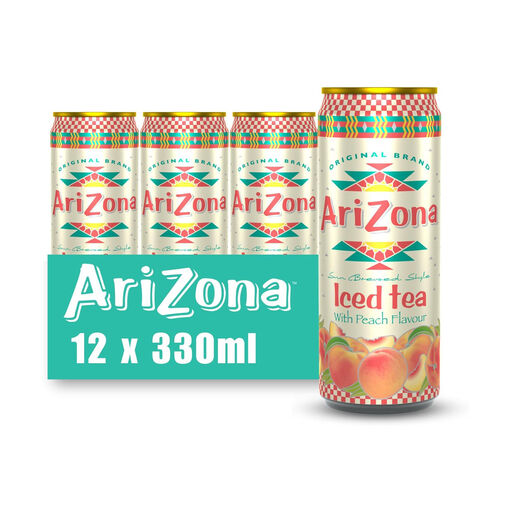
Why it suits this profile: The cans are easy to serve individually to guests, take with you or hand out at an event.
The fixed 330 ml serving means a large bottle will not sit open in the fridge for too long. Do check the price per litre.
12 individual cans; 330 ml per can; 21 kcal and 4.8 grams of sugar per 100 ml according to the product information.
We have put together a complete, up-to-date list of products that fully meet these strict selection criteria and the applicable European safety regulations.
No. Many varieties are non-carbonated, but check the product description and label. Look for “non-carbonated” if you specifically want still iced tea.
This varies by recipe. g'woon Ice Tea Peach Zero lists 0.1 grams of sugar per 100 ml. Lipton Peach Iced Tea lists 3 grams and Arizona Iced Tea Peach 4.8 grams per 100 ml. Always compare the same unit and check the current packaging.
Keep an opened bottle chilled, close the cap securely and follow the storage period on the label. A multipack of individual cans does not need to be stored in the same way after opening, as each serving is packaged separately.
