
Vandaag of morgen in huis

Kwaliteit gegarandeerd

Welkomstaanbiedingen ontgrendelen: GRATIS bezorging | Tot 80% korting | Gratis 30 dagen JoyPlus-proefperiode
Download de app
Would you like to buy peach drinks for home, on the go or for a party? You will soon come across many different types: peach juice, peach fruit drinks, iced tea and Asian fruit drinks. The packaging often features a large peach, while the actual peach content may be limited. A large carton is not always better value either if you cannot finish it in time once opened.
This practical guide helps you compare drinks by fruit content, volume, sugar, packaging and occasion. That way, you can make an informed choice instead of relying solely on the label or product photo.
“Peach drink” can refer to either a drink containing peach purée or a mixed fruit drink made mainly with apple or grape juice. Always check the ingredients list and the percentage of juice or purée. Some products list peach as a flavour, while others clearly state their peach content.
One example is g’woon Peach Orange Fruit Drink. The product information states that it contains 51% juice and purée from concentrate, with peach making up the largest proportion of the blend. This makes it a mixed fruit drink rather than pure peach juice.
Always compare the nutritional values per 100 ml. A sweet fruit drink may contain around 10 grams of sugar per 100 ml, while a sweetened or light version may list much less sugar but contain sweeteners instead. For example, the product information for Haitai Bong Bong Peach states that it contains 19 grams of sugar per 100 ml. The drink also contains 5% peach pulp.
Pay particular attention to serving sizes when buying larger packs. A 200 ml glass and a 340 ml can are not equivalent when comparing calories or sugar.
A pouch is convenient for drinking on the go, but often contains only 190 to 230 ml. A 1 or 1.5-litre bottle is more suitable for a family or party, but needs to be refrigerated after opening and used within the period stated on the packaging.
Also check whether a drink is ready to drink, needs shaking or tastes best chilled. Sediment can be normal in drinks containing fruit pulp or nata de coco. Only shake the packaging as directed, and open carbonated drinks carefully.
Use this classification as a quick guide:
Ingredients are listed in descending order. In most cases, the first ingredient is therefore the one present in the largest proportion. For imported products, also check the Dutch or European sticker showing the ingredients, allergens and nutritional values.
At a minimum, compare:
Online product information may differ from the current packaging. Always check the label, allergen information, use-by or best-before date and storage instructions when your order arrives. This is particularly important for imported Korean, Chinese, Japanese or Thai drinks.
For everyday use, 1 to 1.5-litre bottles are practical. Smaller pouches and cans are more convenient for lunchboxes, picnics or keeping in the cupboard. When buying multipacks, check the total volume and how much refrigerated storage space you will need.
The country of origin can influence the flavour profile and packaging, but says nothing about the nutritional value on its own. Compare a Korean peach drink, Turkish apricot drink or Chinese fruit drink in the same way: by checking the ingredients, nutritional values and storage instructions.
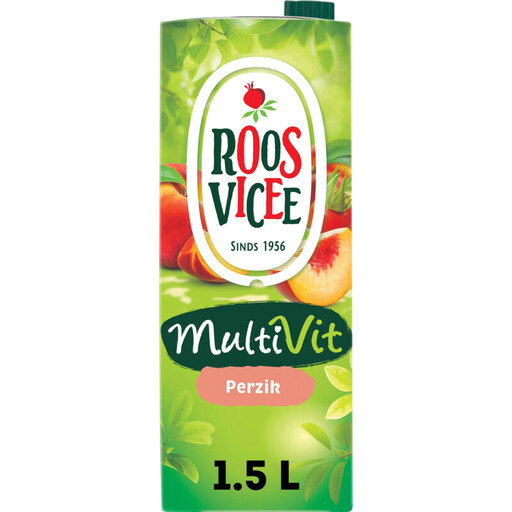
Why it suits this profile: The 1.5-litre bottle is suitable for serving several glasses at home. The product information describes a fruit drink with peach flavour and added vitamins.
The ingredients and nutritional values are available: 25% fruit juice from concentrate and 6.1 g of sugars per 100 ml according to the product listing.
1.5-litre volume; according to the product information, contains vitamins B, C, E and K.
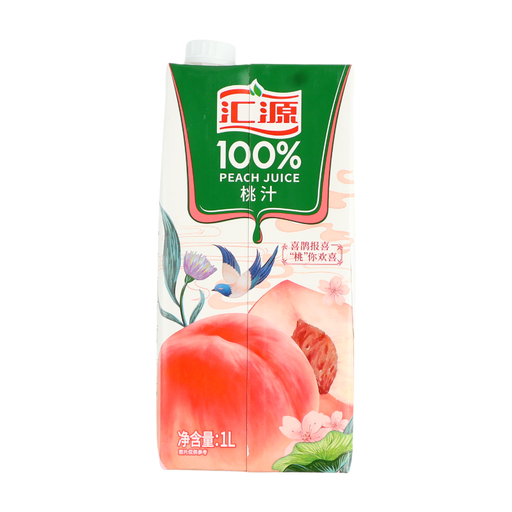
Why it suits this profile: This drink is aimed at those looking for a pronounced fruit flavour and a larger volume. The product description mentions peach pulp and concentrated peach juice.
The volume and nutritional values are clearly stated: 1 litre and 43 kcal with 10 g of sugars per 100 ml.
1-litre pack; the product information mentions peach pulp; serve chilled and shake before use.
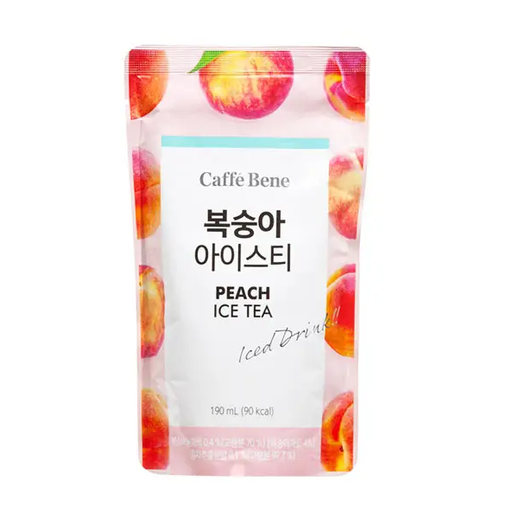
Why it suits this profile: The 190 ml pouch is compact for travelling, picnics, work or gatherings. According to the product information, this peach iced tea comes from Korea.
The small volume makes the serving size clear. You do not need to buy a large bottle for a one-off occasion.
190 ml per pouch; easy to take with you; suitable for drinking chilled according to the product information.
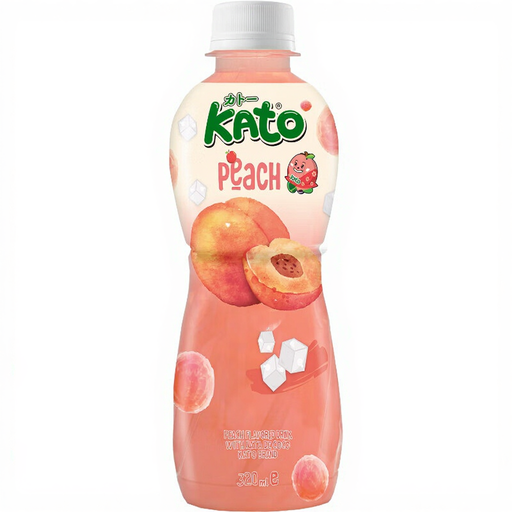
Why it suits this profile: This Asian peach drink is for anyone looking for more than just a liquid refreshment. It contains nata de coco, a soft, chewy addition.
The product information explicitly states that it contains 20% nata de coco. This makes the texture clear in advance, so there are no surprises after purchase.
320 ml per can; contains nata de coco; refrigerate after opening according to the product information.
We have put together a complete, up-to-date list of products that fully meet these strict selection criteria and the applicable European safety regulations.
Before checking out, review these points:
Peach juice generally refers to a product in which juice or purée forms the base. A peach fruit drink may also contain more water, sugar, acidity regulators, flavourings or other types of fruit. Read the ingredients list and stated fruit content to determine the difference for each product.
A pouch or can of around 190 to 340 ml is practical for work, school, travelling or a picnic. Caffe Bene Peach Ice Tea comes in a 190 ml pouch. KATO Peach Juice with Nata de Coco is supplied in a 320 ml can. Always check that the packaging is properly sealed and whether it needs to be refrigerated after opening.
Follow the instructions on the packaging. Many fruit drinks and iced teas need to be refrigerated after opening and consumed within the stated period. Unopened packaging should generally be stored in a cool, dry place away from direct sunlight. The exact best-before date is shown on the packaging.
