
Vandaag of morgen in huis

Kwaliteit gegarandeerd

Welkomstaanbiedingen ontgrendelen: GRATIS bezorging | Tot 80% korting | Gratis 30 dagen JoyPlus-proefperiode
Download de app
Would you like to buy peach drinks, but are you deciding between peach iced tea, peach soft drink, peach soda or a Japanese peach drink? The image on the packaging alone is not enough. A sweet peach flavour may come from juice, concentrate or flavouring. Products also vary considerably in sugar content, carbonation, size and shelf life after opening.
With these practical selection points, you can compare drinks based on verifiable information rather than marketing language.
Check the ingredients list and the percentage of peach. For example, Lipton Ice Tea Peach lists 0.1% peach juice from concentrate. The flavour therefore does not come exclusively from fruit. Hao Wang Shui lists 8.7% peach juice, alongside apple and pear concentrate. This creates a different flavour profile from classic peach iced tea.
Also look out for terms such as “peach-flavoured drink”, “natural flavourings” and “fruity”. On their own, these say little about the proportion of fruit.
A 1.5-litre peach drink is convenient for home, the office or a party. However, a multipack of small bottles or cans may be more suitable when you want to keep individual portions chilled. Once opened, a large pack will generally need to be refrigerated and used within the stated period.
So calculate the price per litre and consider how you plan to use the drink. A 24-bottle peach drink multipack is practical for keeping in stock, but it requires more storage space.
Always compare the nutritional information per 100 ml. According to the product information, Lipton Peach contains 13 kcal and 3 grams of sugar per 100 ml. Crystal Clear Sparkling Peach lists 1 kcal and 0 grams of sugar per 100 ml. Pepsi Zero Sugar Peach also lists 0 kcal and 0 grams of sugar per 100 ml, but contains sweeteners such as aspartame, acesulfame-K and sucralose.
A sugar-free peach drink may therefore have a different blend of sweeteners and a different finish from a standard soft drink.
First decide whether you are looking for a sparkling peach drink. Peach soda, Ramune and sparkling water contain carbon dioxide. According to the product information, iced teas such as Lipton Peach and Fuze Tea Black Tea Peach Hibiscus are non-carbonated. This makes a noticeable difference with a meal, while travelling or at a party.
For carbonated drinks, pay attention to the pack size. A 300 ml glass bottle, a 350 ml can and a 1.5-litre bottle are not necessarily interchangeable in terms of use or storage.
Use the nutrition table as a consistent basis for comparison:
Claims such as “low calorie”, “zero sugar” or “light” come from the product descriptions and should always be checked against the current packaging. Recipes and labels can change.
For everyday use, 500 ml can be convenient. A 1.5-litre bottle is better suited to sharing with family or colleagues. For an event or hospitality setting, cases of 24 or 30 units are more efficient. Tomomasu comes as 24 glass bottles of 300 ml. HATAKOSEN Ramune Peach contains 30 glass bottles of 200 ml. Pepsi Zero Sugar Peach is available as 24 cans of 355 ml.
When buying imported drinks, also check the language on the label, allergen information, the responsible importer and the best-before date. AGF Blendy Peach Tea, for example, states that the product contains peach; this is relevant for people with an allergy.
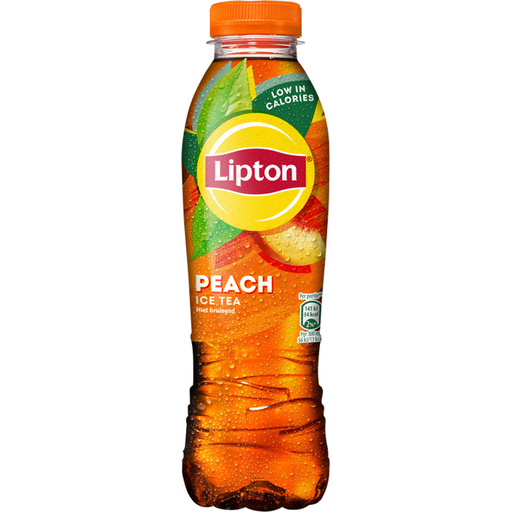
Why it suits this profile: A medium-sized pack for everyday use, without having to order a large supply straight away.
The product information lists 13 kcal and 3 grams of sugar per 100 ml, allowing you to compare it with zero-sugar and sparkling varieties.
500 ml pack; still iced tea; peach flavour with tea extract and a small stated proportion of peach juice.
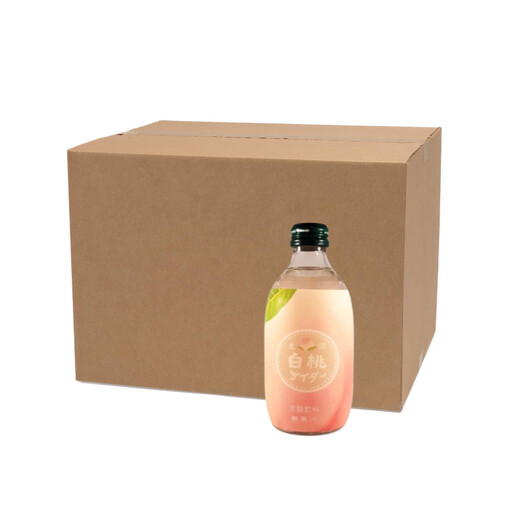
Why it suits this profile: For anyone looking for a Japanese peach drink in glass bottles for a dinner, gift hamper or special occasion.
The pack size is clear: 24 bottles of 300 ml. The product listing names water, sugar and natural flavourings; check the label for the current composition.
Sparkling soda; 300 ml glass bottle; according to the product information, 39 kcal per 100 ml.
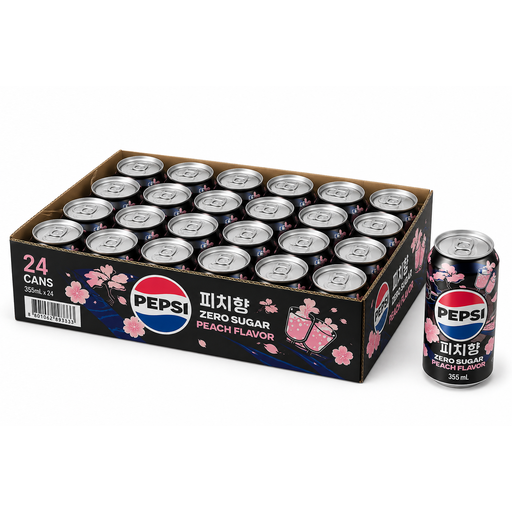
Why it suits this profile: A stock-up pack for lovers of Asian soft drinks, carbonation and a combination of cola and peach flavours.
The packaging and nutritional information are clearly stated: 24 cans of 355 ml and 0 kcal and 0 grams of sugar per 100 ml according to the product information.
Carbonated; sugar-free according to the listing; 24 servings for the office, parties or keeping in stock.
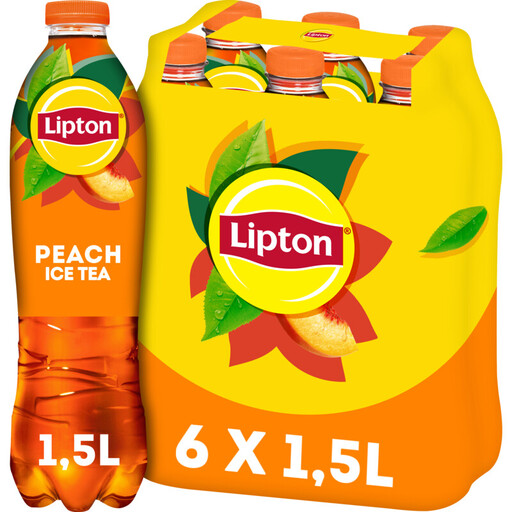
Why it suits this profile: Six large packs are suitable for a household, office or gathering where several glasses will be served.
The multipack makes the total quantity clear in advance. The product information lists 13 kcal, 3 grams of sugar and 0.03 grams of salt per 100 ml.
Six 1.5-litre bottles; still peach iced tea; suitable for sharing and serving chilled.
We have put together a complete, up-to-date list of products that fully meet these strict selection criteria and the applicable European safety regulations.
Choose a peach drink multipack or a 1.5-litre peach drink when serving several people. Large bottles are efficient for pouring into glasses, while cans and small bottles are easier to chill and distribute. Check in advance how much fridge and storage space is available.
Peach iced tea is usually still and contains tea extract. Peach soda or sparkling peach is carbonated and generally has a fresher, more refreshing finish. For example, Fuze Tea’s product information describes a non-carbonated drink with black tea, peach and hibiscus. Ramune Peach, on the other hand, is a Japanese carbonated soda in a glass bottle with a marble.
Store opened drinks according to the label, usually sealed in the fridge and used within the stated period. Keep unopened bottles and cans in a cool, dry place away from direct sunlight. For imported Asian drinks, always check the Dutch product information, ingredients, allergens and best-before date on the packaging.
